POSEIDON Paper Timeline
This page provides an (in progress!) timeline of papers that have used POSEIDON for modelling and retrieving exoplanet atmospheres.
Each entry includes a NASA ADS link, a key figure from the paper showing POSEIDON’s use, and a summary of how POSEIDON was used in the paper.
Note
Don’t see your paper below? Reach out to us! Ryan.MacDonald@st-andrews.ac.uk.
Pre Public Release
Lead Developer of POSEIDON: Ryan MacDonald
Coinciding Paper: MacDonald & Madhusudhan (2017a)
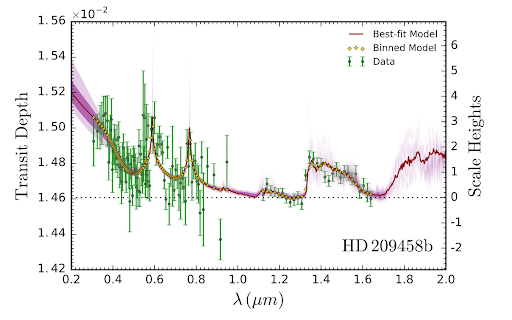
MacDonald & Madhusudhan (2017a)
HD 209458b in new light: evidence of nitrogen chemistry, patchy clouds and sub-solar water (ADS Link)
First demonstration of POSEIDON’s capabilities, including free chemistry retrievals with patchy clouds on HD 209458b’s Hubble transmission spectrum.
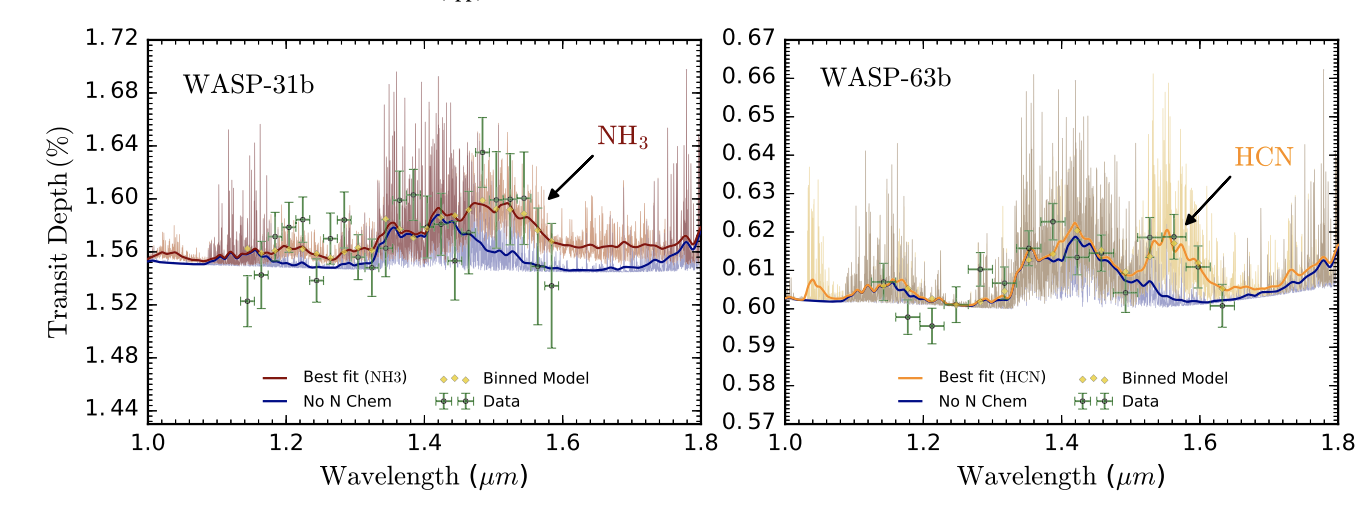
MacDonald & Madhusudhan (2017b)
Signatures of Nitrogen Chemistry in Hot Jupiter Atmospheres (ADS Link)
Application of POSEIDON to a population of hot Jupiters, finding evidence of nitrogen-bearing molecules (NH3 and/or HCN) in the atmospheres of three hot Jupiters.
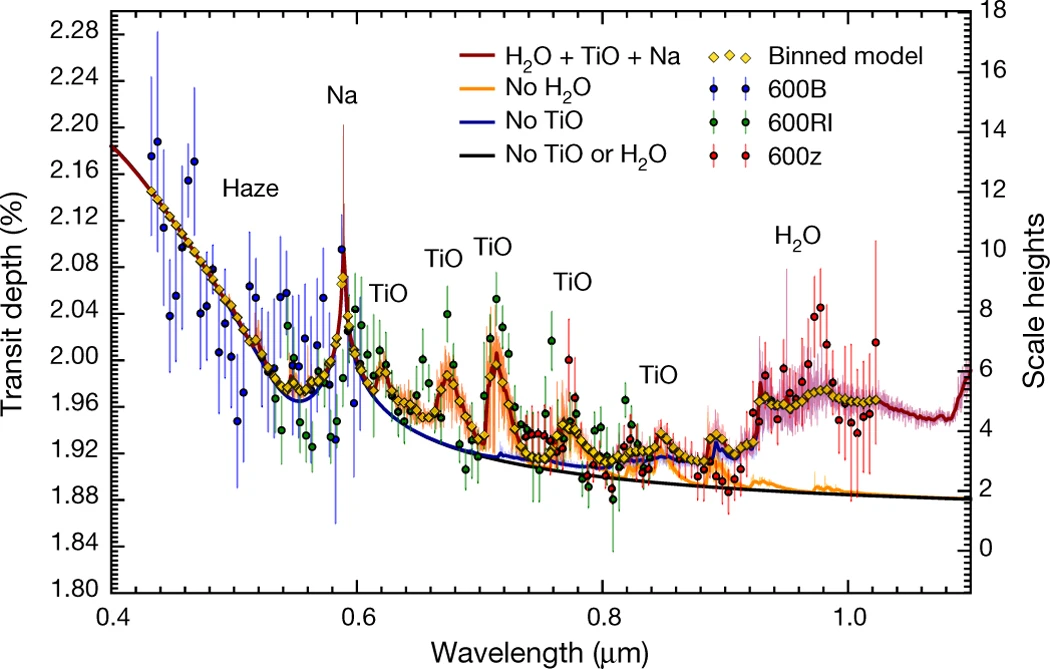
Sedaghati (2017)
Detection of titanium oxide in the atmosphere of a hot Jupiter (ADS Link)
POSEIDON identified TiO for the first time in an exoplanet atmosphere, using VLT FORS2 transmission spectra of WASP-19b.
MacDonald & Madhusudhan (2019)
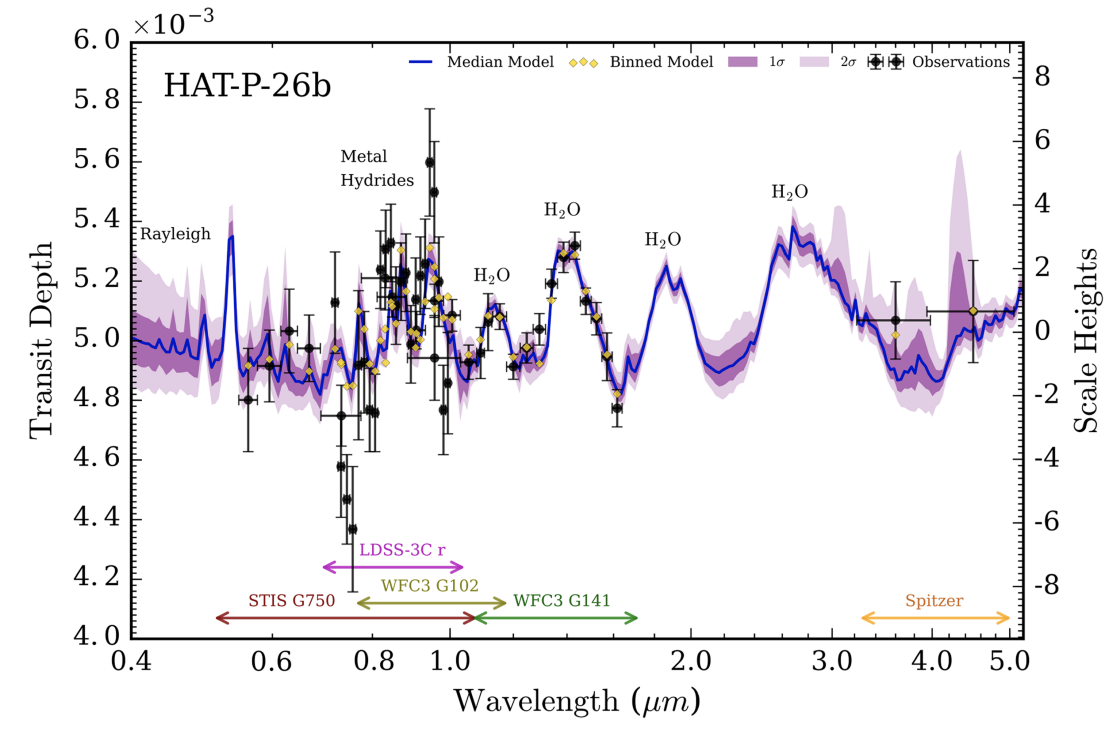
The metal-rich atmosphere of the exo-Neptune HAT-P-26b (ADS Link)
POSEIDON was generalised for Neptune-mass planets, with an application to the warm Neptune HAT-P-26b.
MacDonald, Goyal & Lewis (2020)
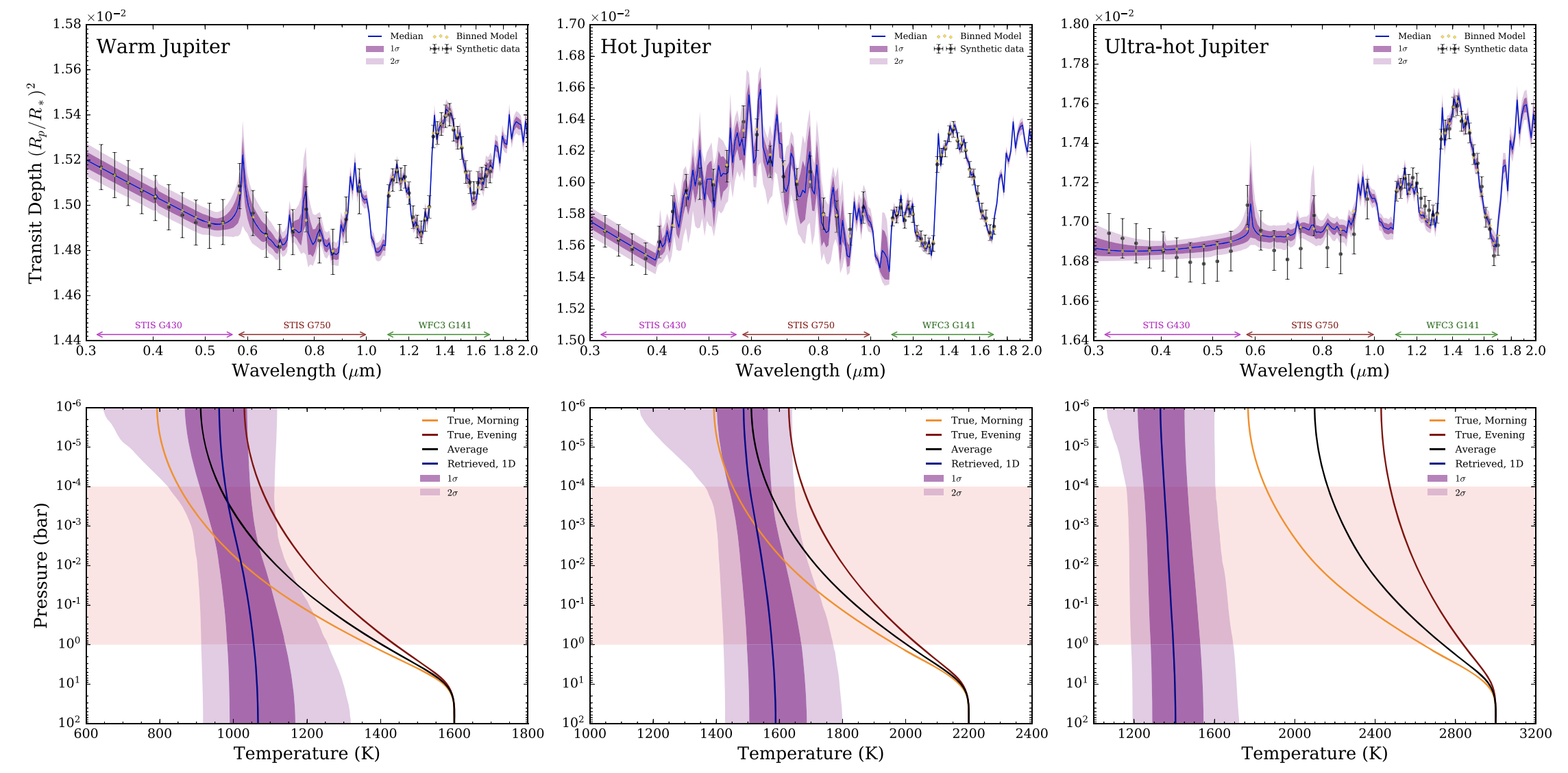
Why Is it So Cold in Here? Explaining the Cold Temperatures Retrieved from Transmission Spectra of Exoplanet Atmospheres (ADS Link)
Application of POSEIDON to identifying a bias in retrieved temperatures from exoplanet transmission spectra of hot giant planets.
Kaltenegger & MacDonald et al. (2020)
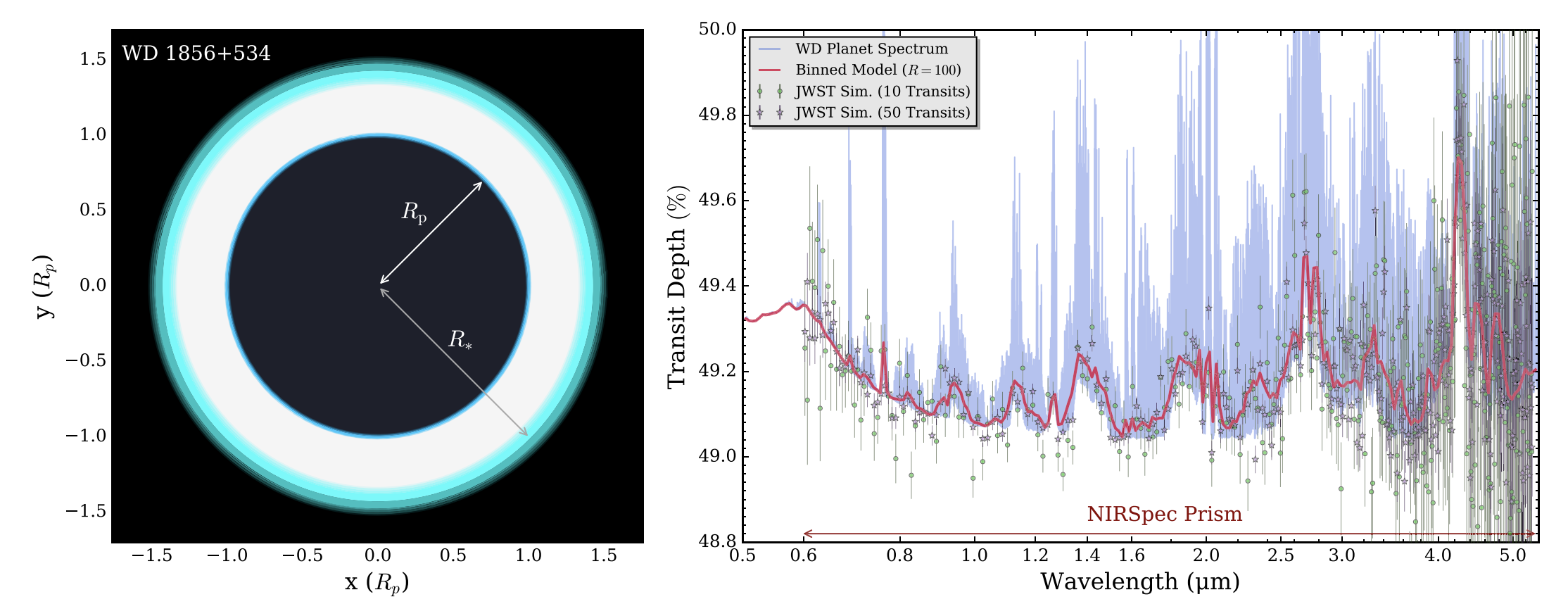
The White Dwarf Opportunity: Robust Detections of Molecules in Earth-like Exoplanet Atmospheres with the James Webb Space Telescope (ADS Link)
First demonstration of POSEIDON’s capabilities for modelling and retrieving rocky exoplanet transmission spectra, with an application to a simulated Earth-like planet orbiting a white dwarf.
Lewis et al. (2020)
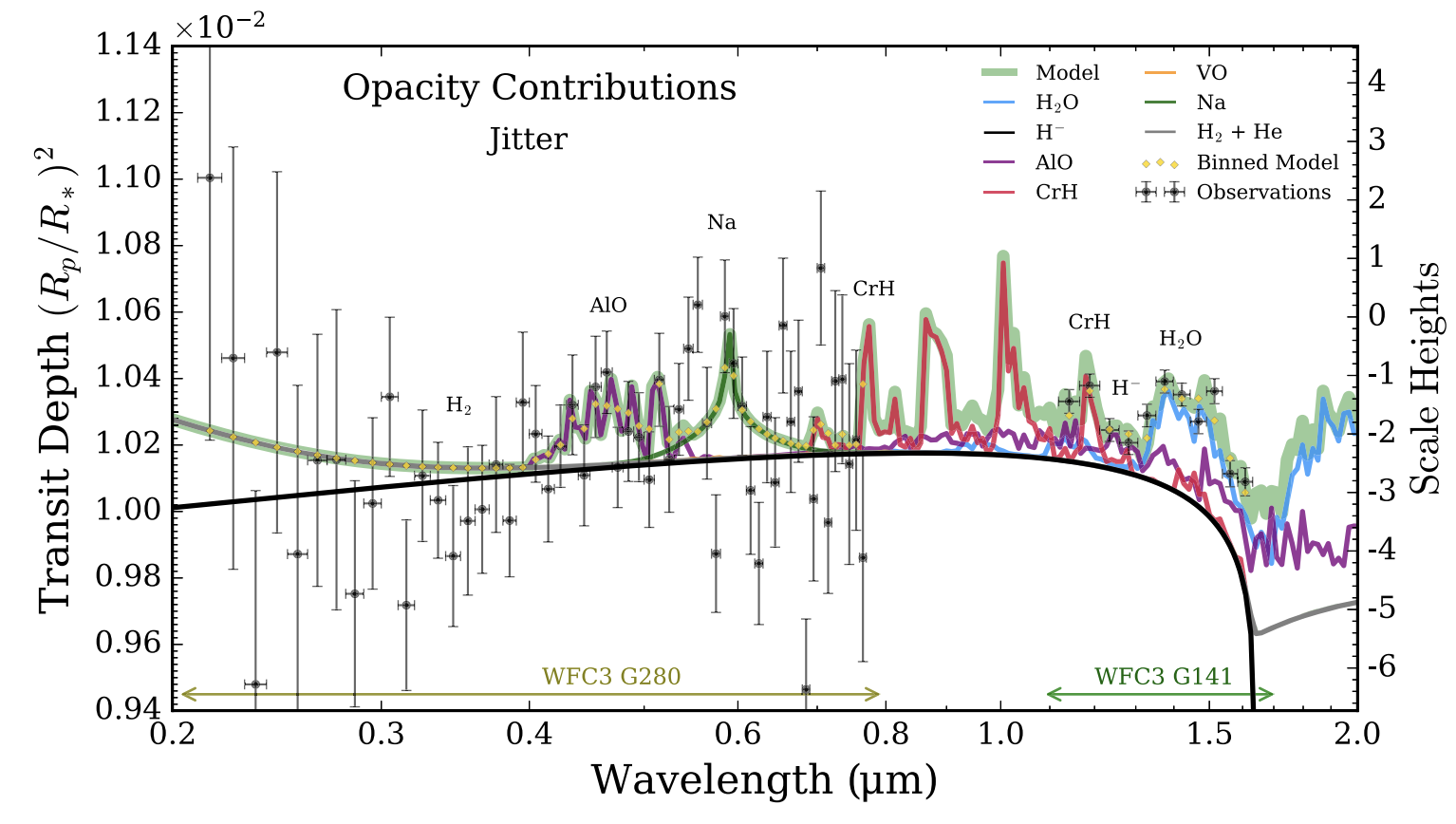
Into the UV: The Atmosphere of the Hot Jupiter HAT-P-41b Revealed (ADS Link)
Application of POSEIDON to the Hubble near-UV transmission spectrum of HAT-P-41b, revealing signatures of H-.
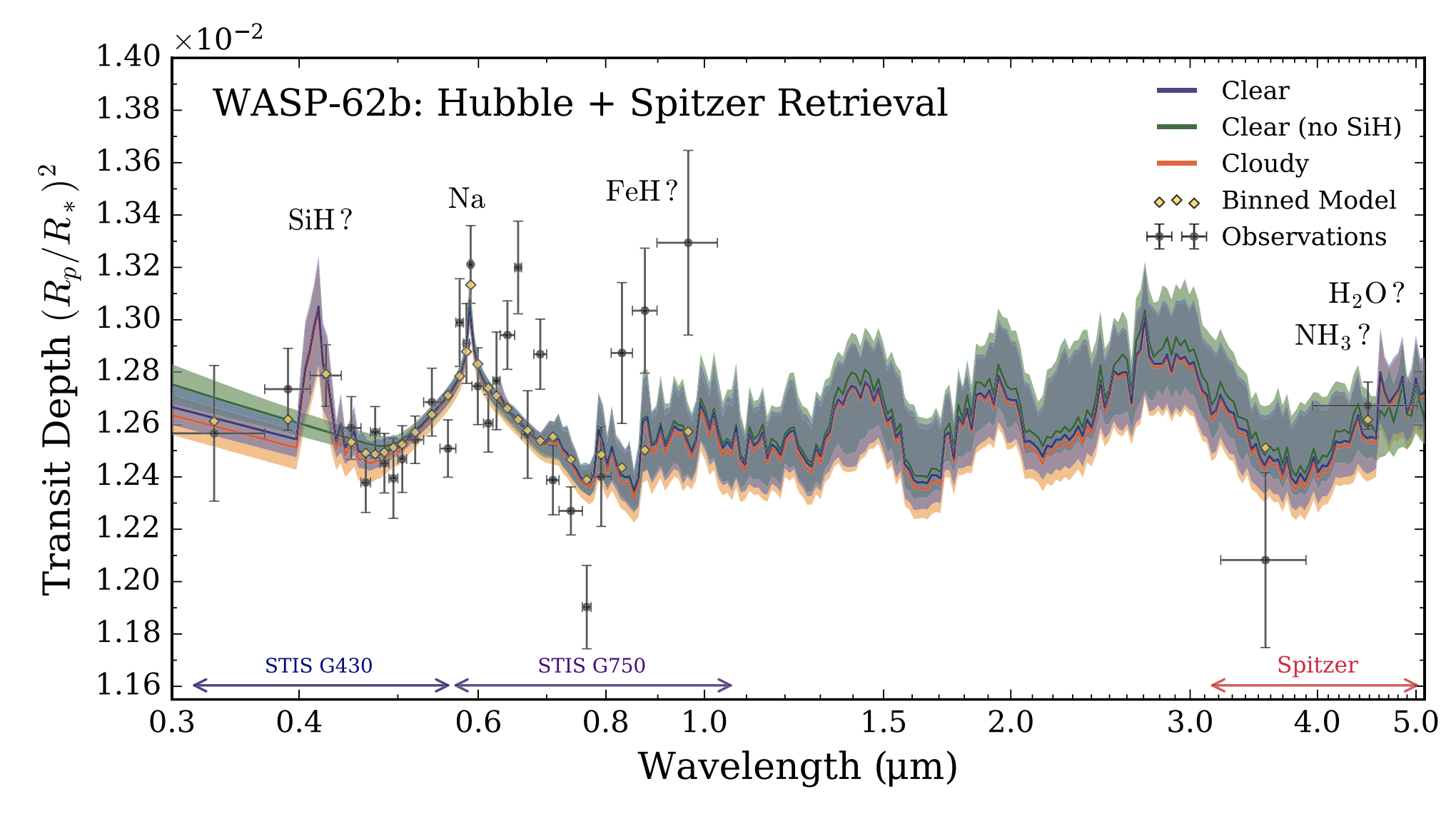
Alam et al. (2021)
Evidence of a Clear Atmosphere for WASP-62b: The Only Known Transiting Gas Giant in the JWST Continuous Viewing Zone (ADS Link)
Application of POSEIDON to the Hubble and Spitzer transmission spectrum of WASP-62b.
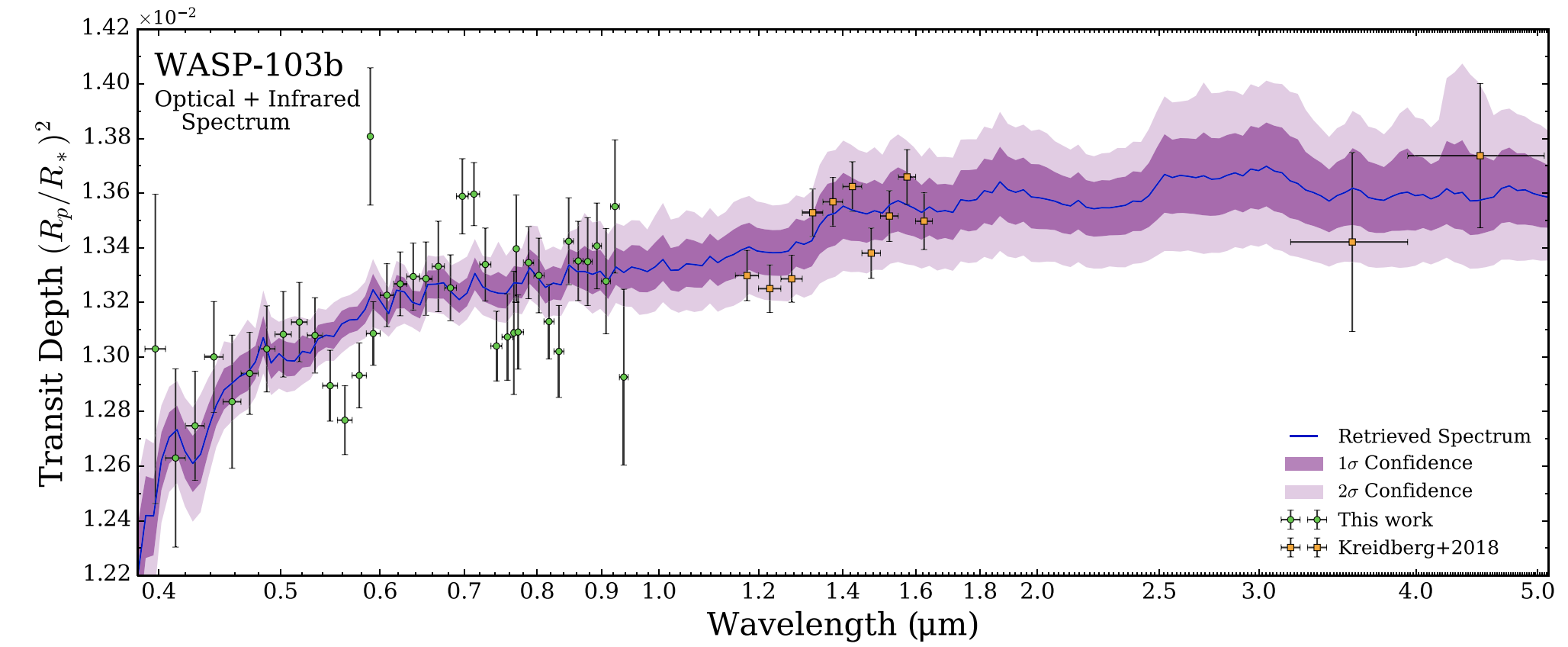
Kirk et al. (2021)
ACCESS and LRG-BEASTS: A Precise New Optical Transmission Spectrum of the Ultrahot Jupiter WASP-103b (ADS Link)
Application of POSEIDON to the ACCESS and LRG-BEASTS transmission spectrum of WASP-103b.
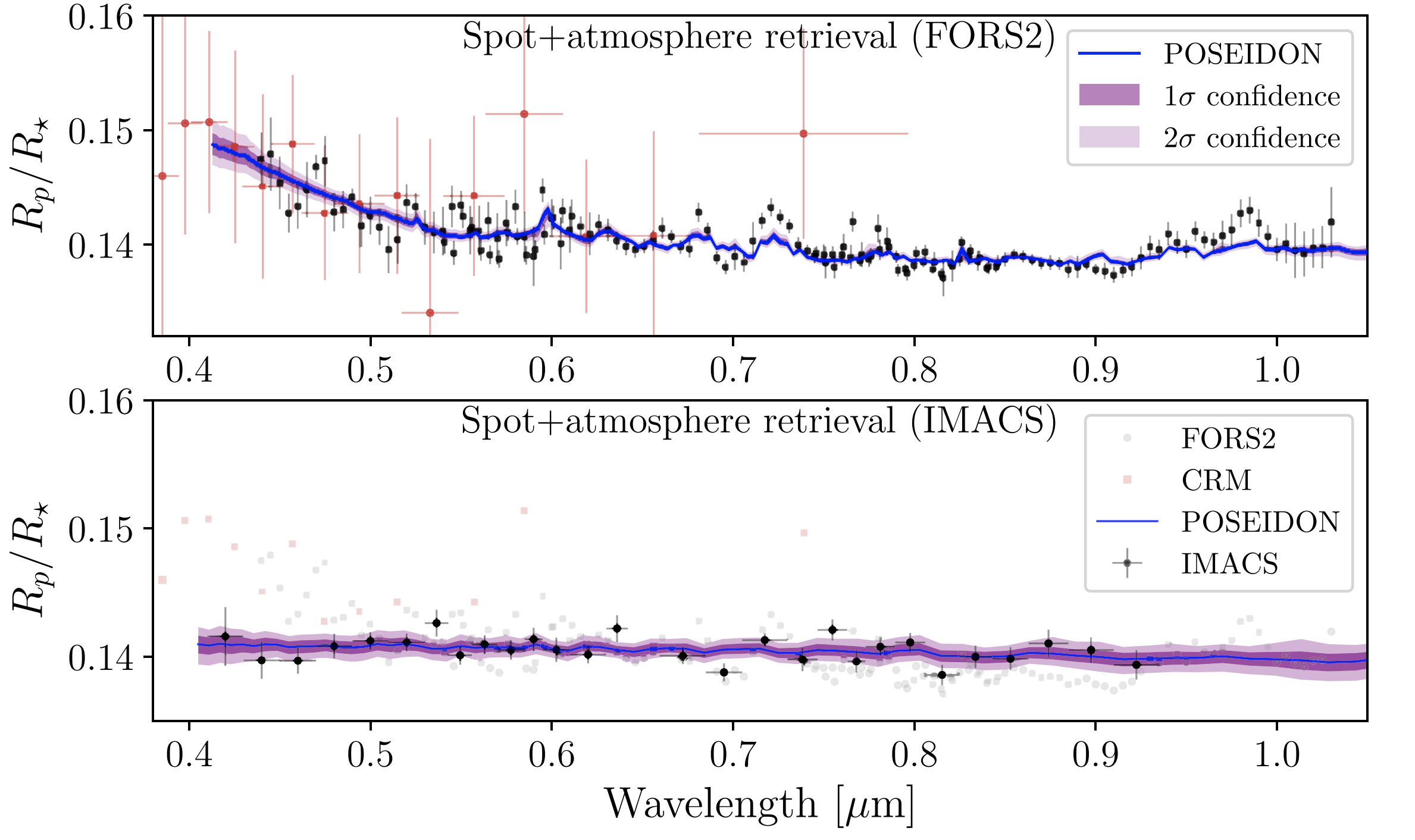
Sedaghati (2021)
A spectral survey of WASP-19b with ESPRESSO (ADS Link)
Description TBD.
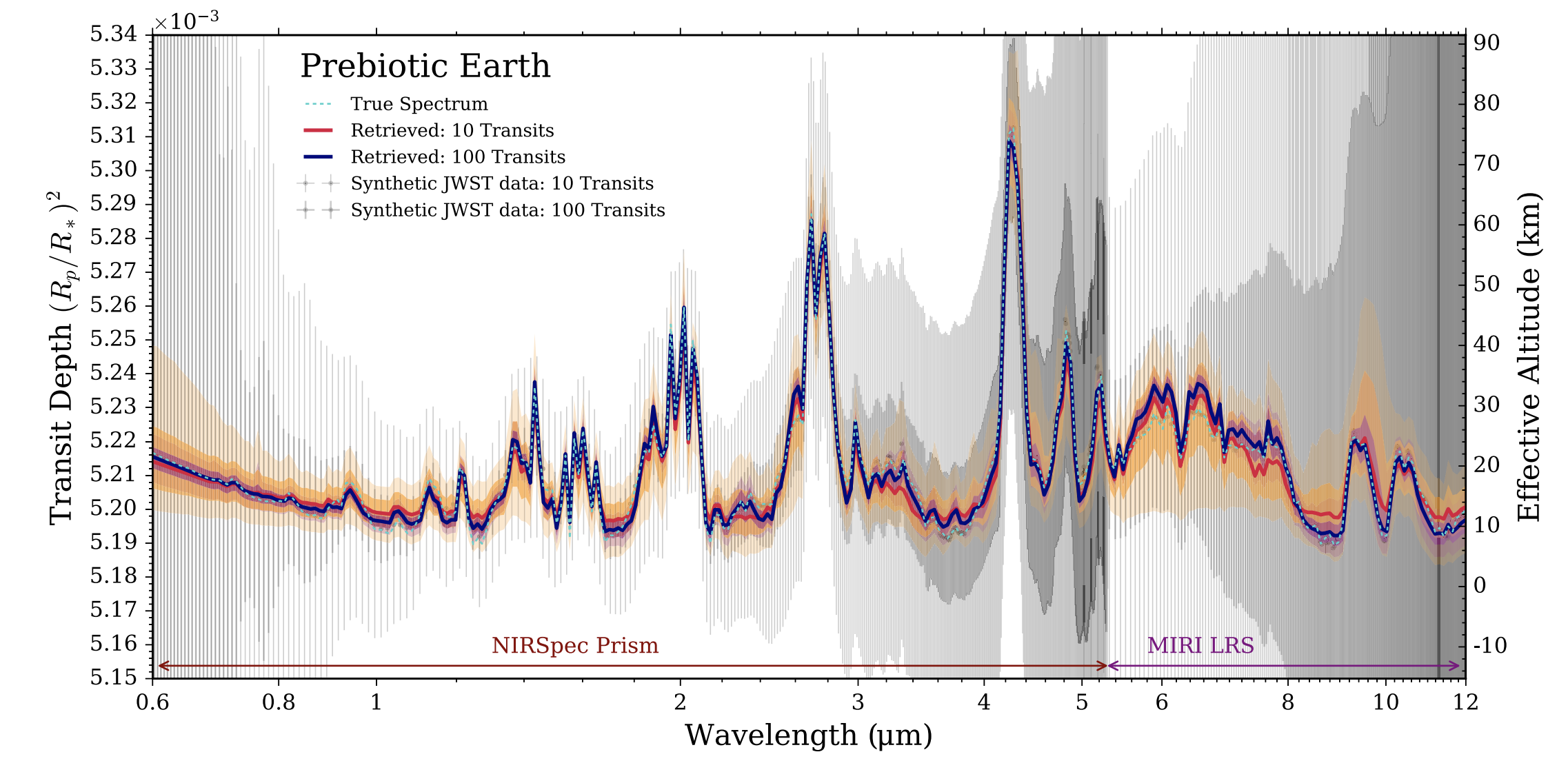
Lin et al. (2021)
Differentiating modern and prebiotic Earth scenarios for TRAPPIST-1e: high-resolution transmission spectra and predictions for JWST (ADS Link)
Application of POSEIDON to simulating the detectability of molecules in TRAPPIST-1e’s atmosphere.
Rathcke et al. (2021)
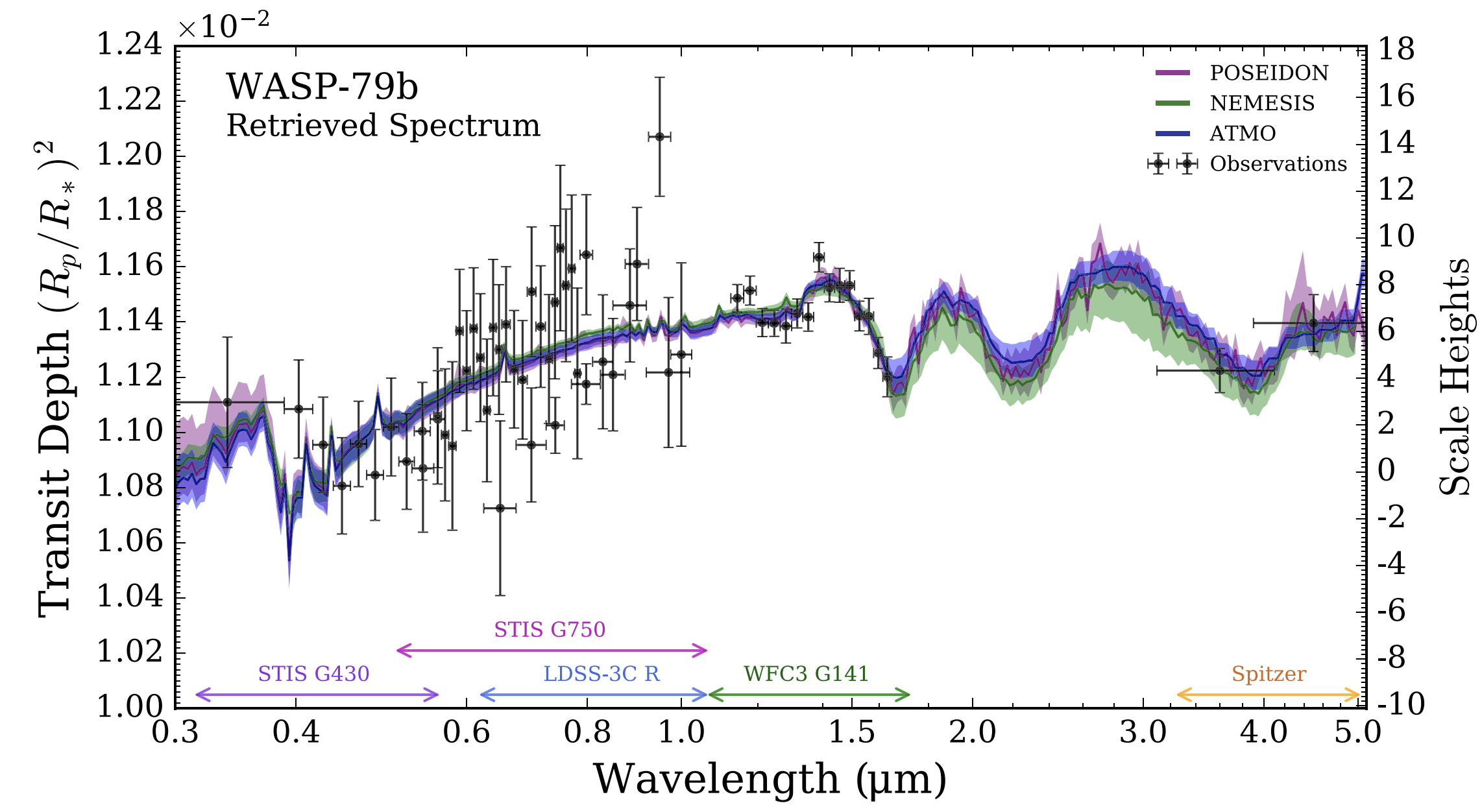
HST PanCET Program: A Complete Near-UV to Infrared Transmission Spectrum for the Hot Jupiter WASP-79b (ADS Link)
Description TBD.
Xu et al. (2021)
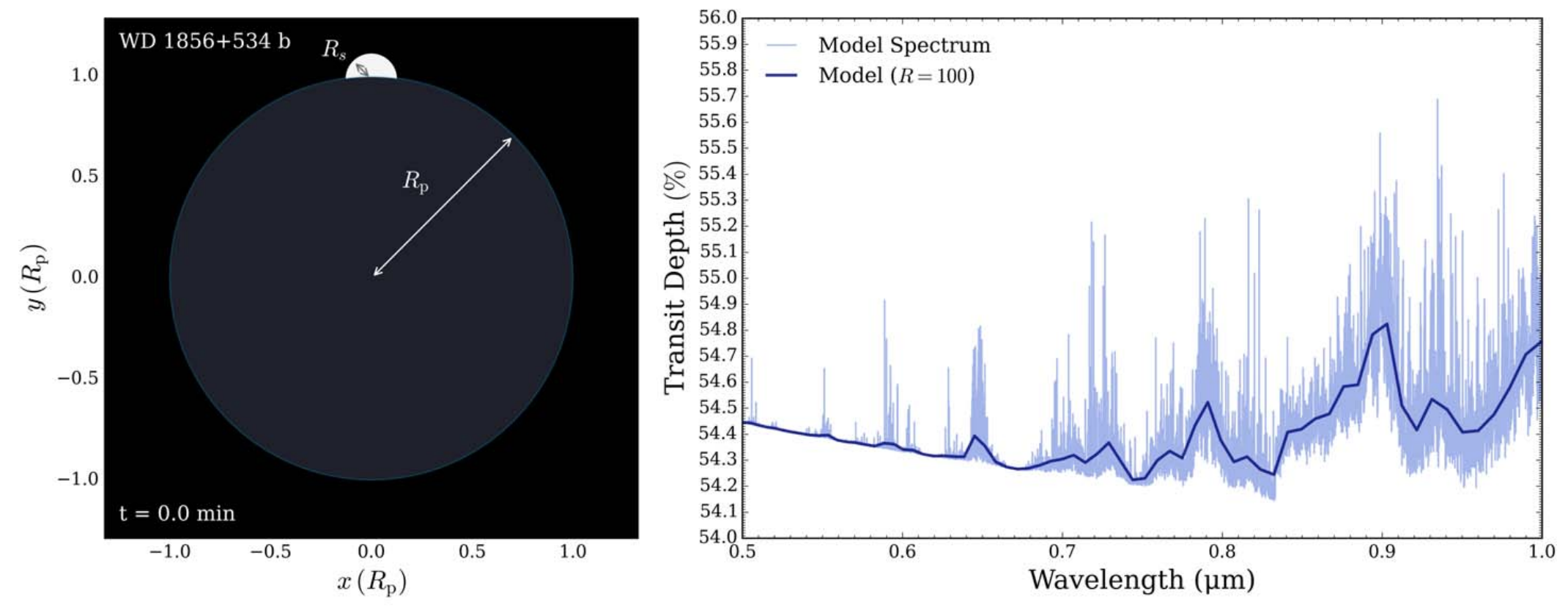
Gemini/GMOS Transmission Spectroscopy of the Grazing Planet Candidate WD 1856+534 b (ADS Link)
Description TBD.
MacDonald & Lewis (2022)
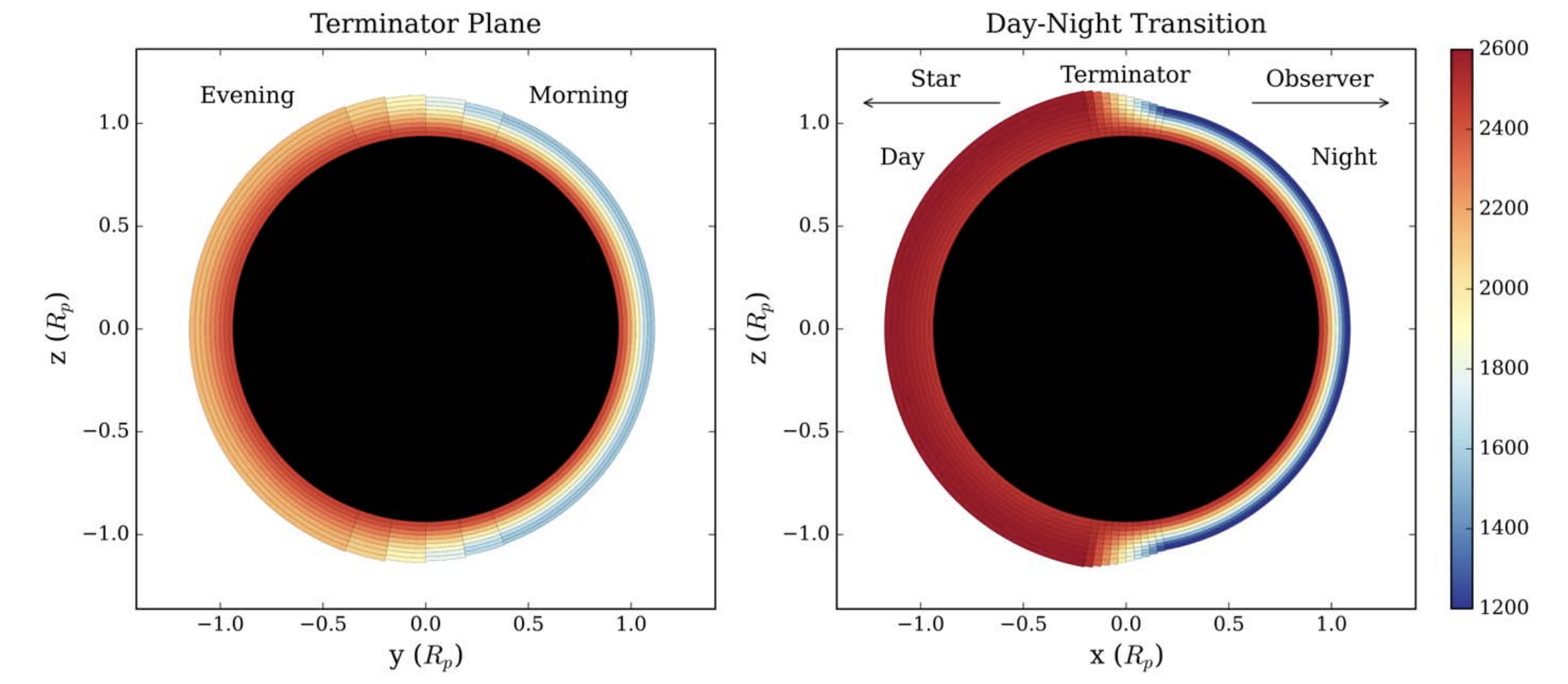
TRIDENT: A Rapid 3D Radiative-transfer Model for Exoplanet Transmission Spectra (ADS Link)
Development of POSEIDON’s 3D radiative transfer model, TRIDENT, and demonstration of its capabilities for modelling and 2D and 3D exoplanet transmission spectra.
Barstow et al. (2022)
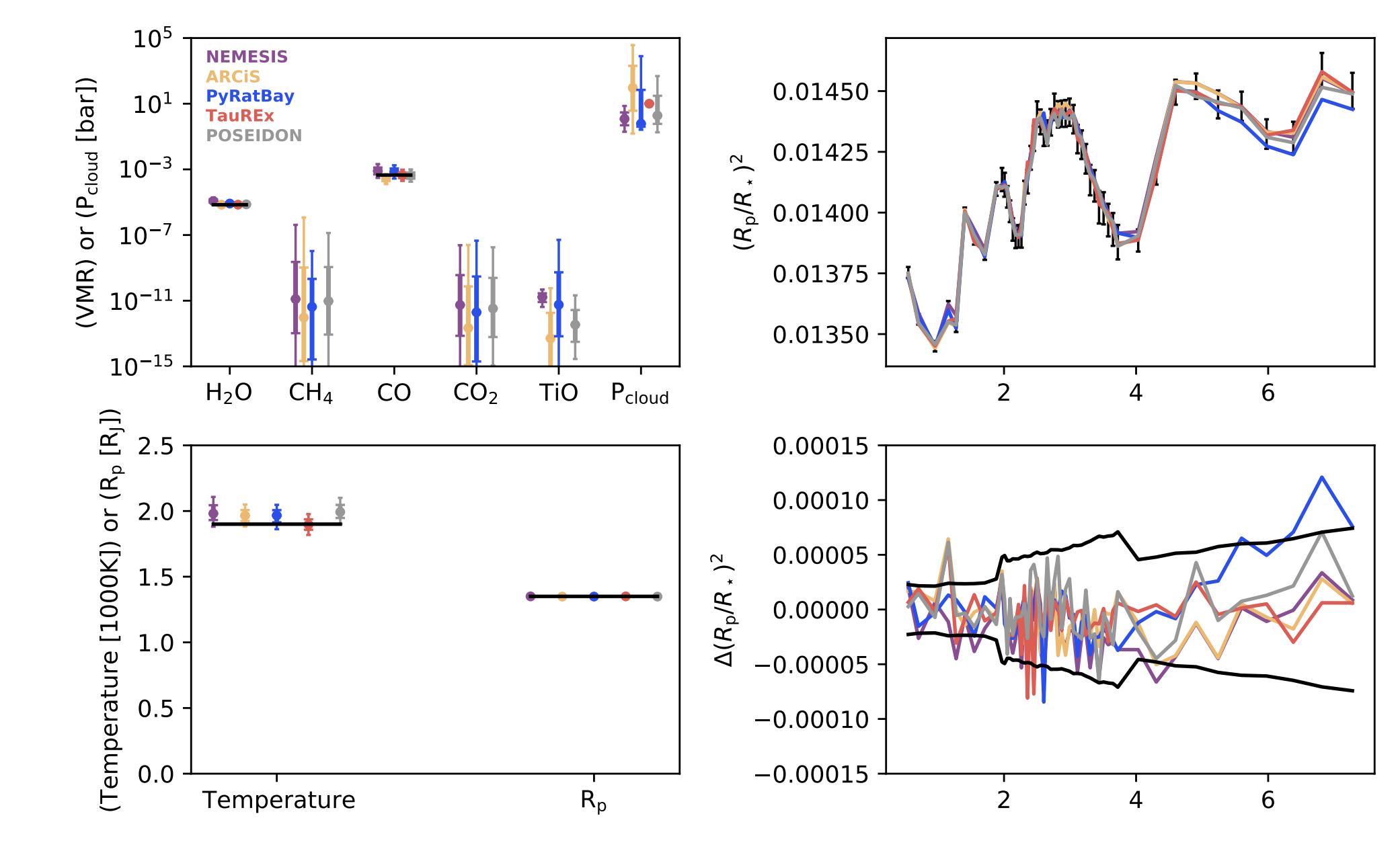
A retrieval challenge exercise for the Ariel mission (ADS Link)
Description TBD.
Alderson et al. (2022)
A comprehensive analysis of WASP-17b’s transmission spectrum from space-based observations (ADS Link)
Description TBD.
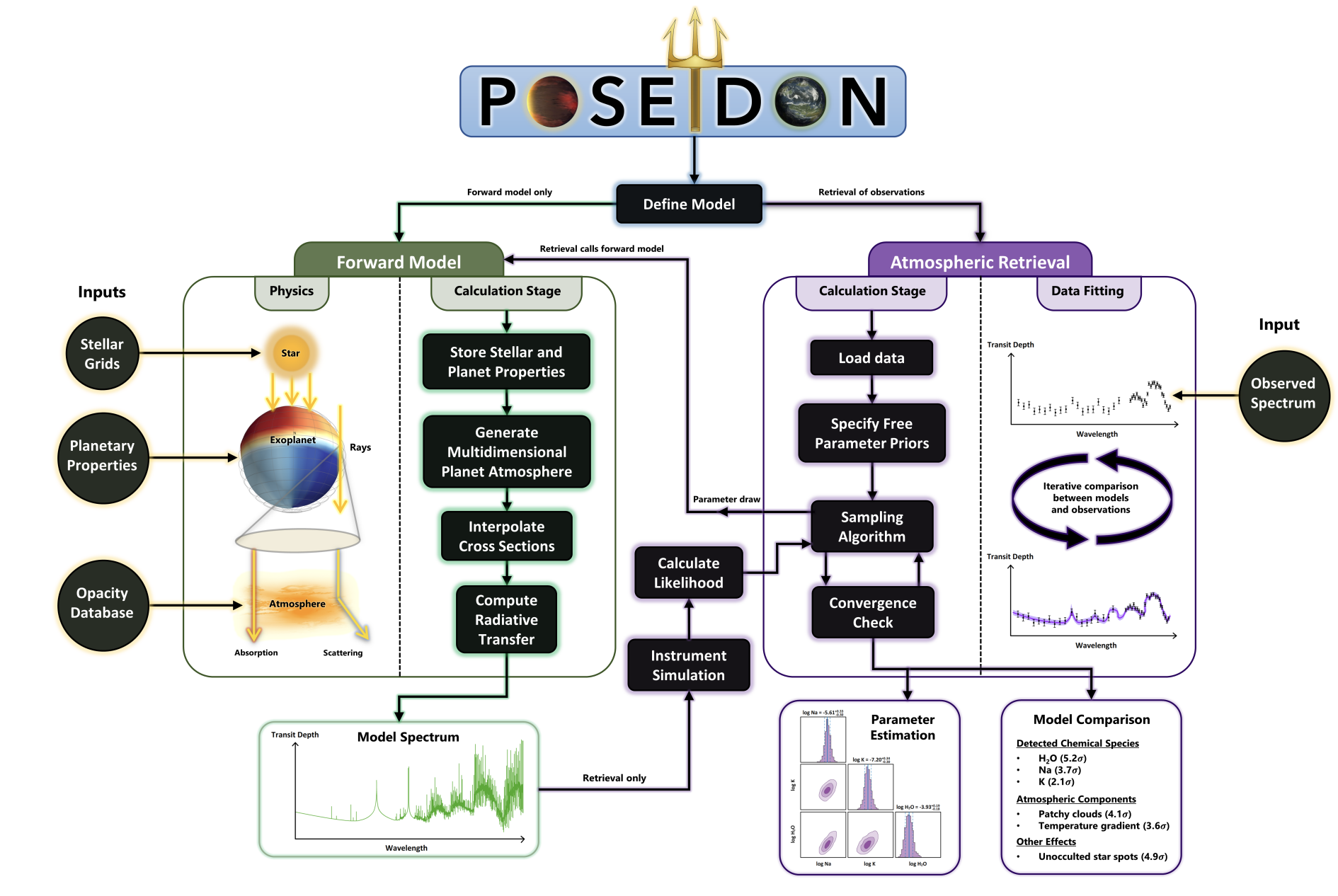
POSEIDON 1.0 Released! (January 2023)
Lead Developer of POSEIDON 1.0: Ryan MacDonald
Coinciding Paper: MacDonald (2023)
MacDonald (2023)
POSEIDON: A Multidimensional Atmospheric Retrieval Code for Exoplanet Spectra (ADS Link)
Release of the first open-source version of POSEIDON.
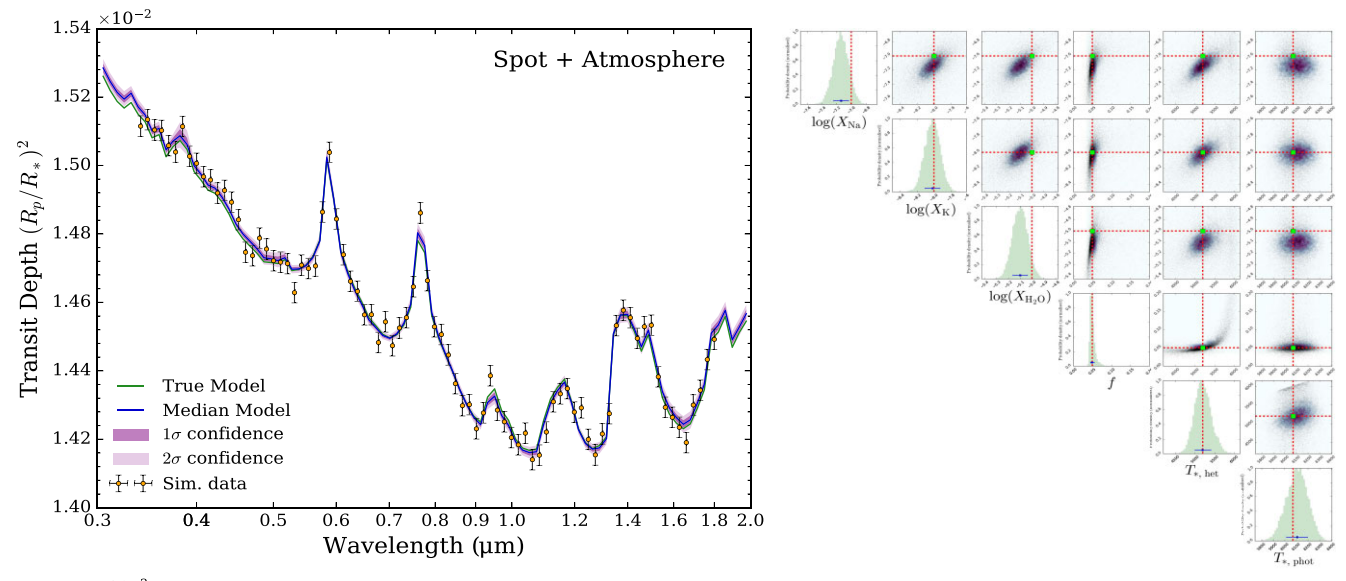
Rackham et al. (2023)
The effect of stellar contamination on low-resolution transmission spectroscopy: needs identified by NASA’s Exoplanet Exploration Program Study Analysis Group 21 (ADS Link)
Description TBD.
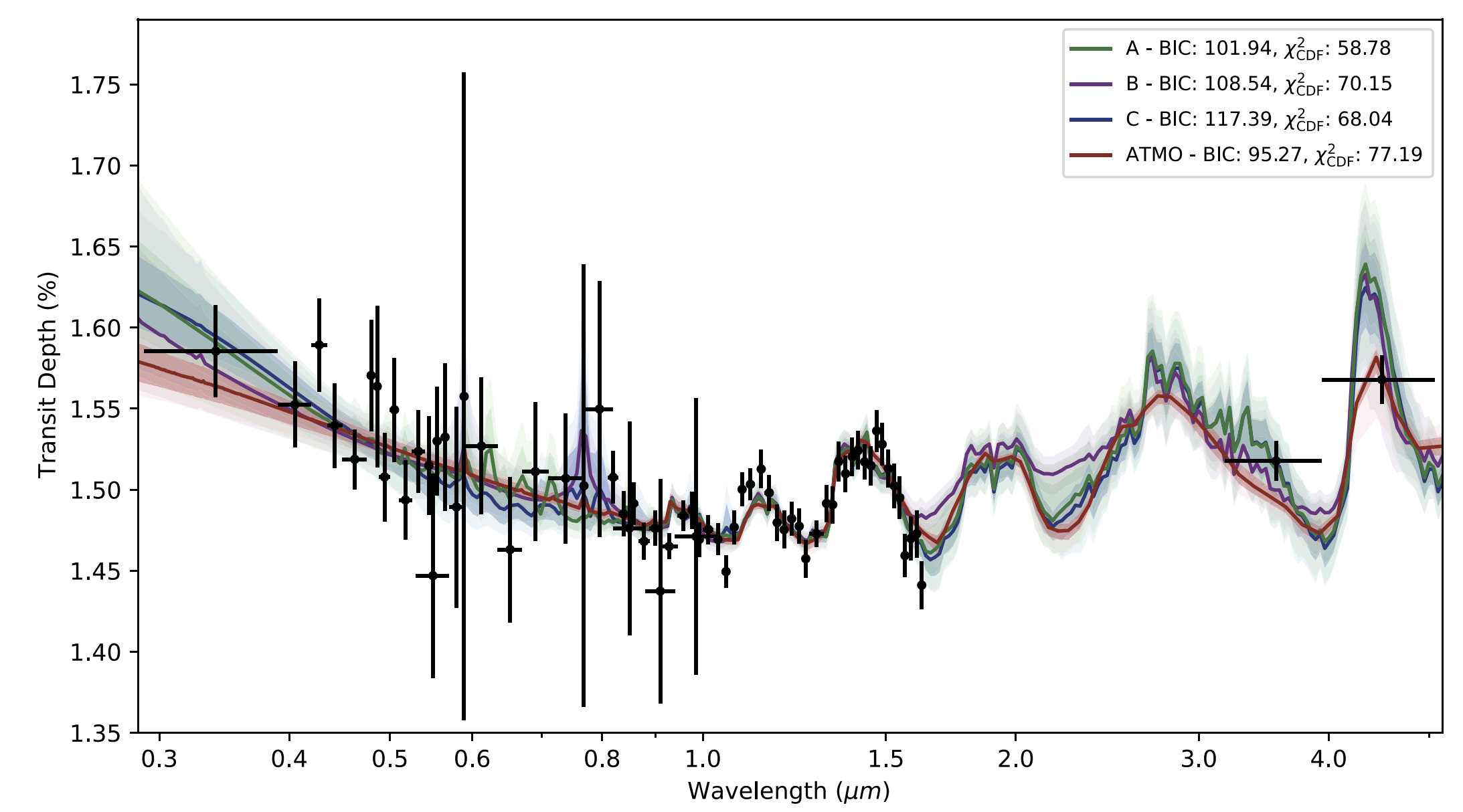
MacDonald & Batalha (2023)
A Catalog of Exoplanet Atmospheric Retrieval Codes (ADS Link)
Catalogue of exoplanet atmospheric retrieval codes (including POSEIDON).
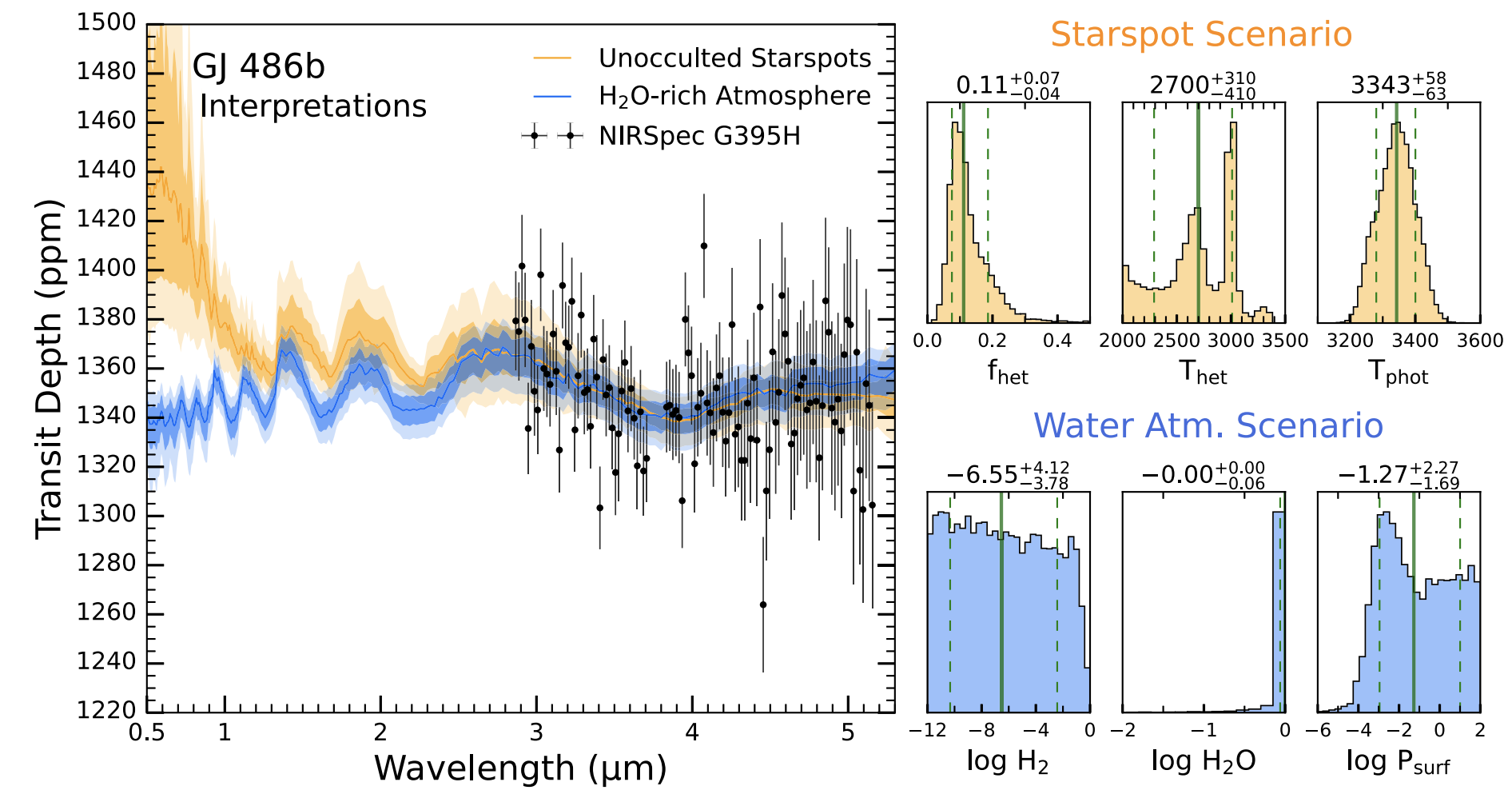
Moran et al. (2023)
High Tide or Riptide on the Cosmic Shoreline? A Water-rich Atmosphere or Stellar Contamination for the Warm Super-Earth GJ 486b from JWST Observations (ADS Link)
Description TBD.
POSEIDON 1.1 Released! (June 2023)
Lead Developers of POSEIDON 1.1: Ryan MacDonald (Stellar Contamination), Ruizhe Wang (Equilibrium Chemistry Grid), Elijah Mullens (Contributor to Equilibrium Chemistry)
Coinciding Paper: N/A
Coulombe et al. (2023)
A broadband thermal emission spectrum of the ultra-hot Jupiter WASP-18b (ADS Link)
Description TBD.
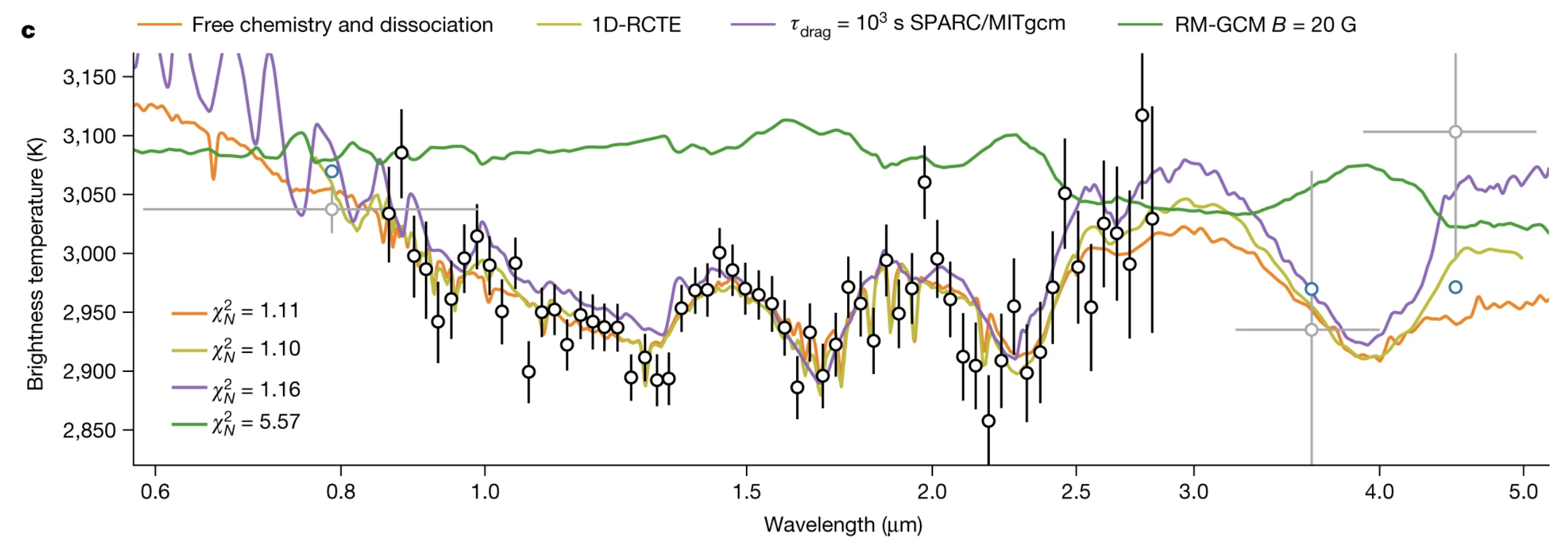
Lim et al. (2023)
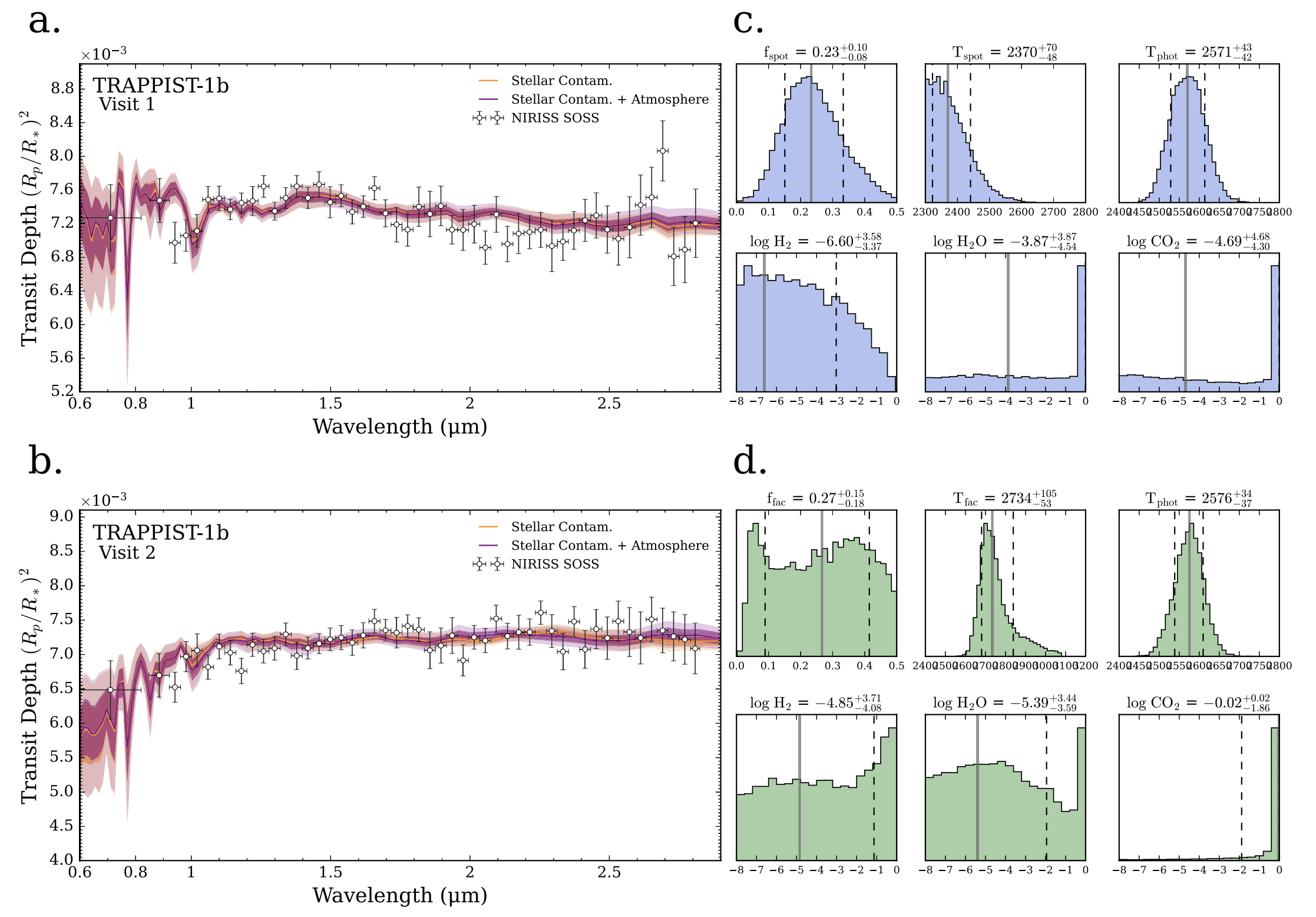
Atmospheric Reconnaissance of TRAPPIST-1 b with JWST/NIRISS: Evidence for Strong Stellar Contamination in the Transmission Spectra (ADS Link)
Description TBD.
Taylor et al. (2023)
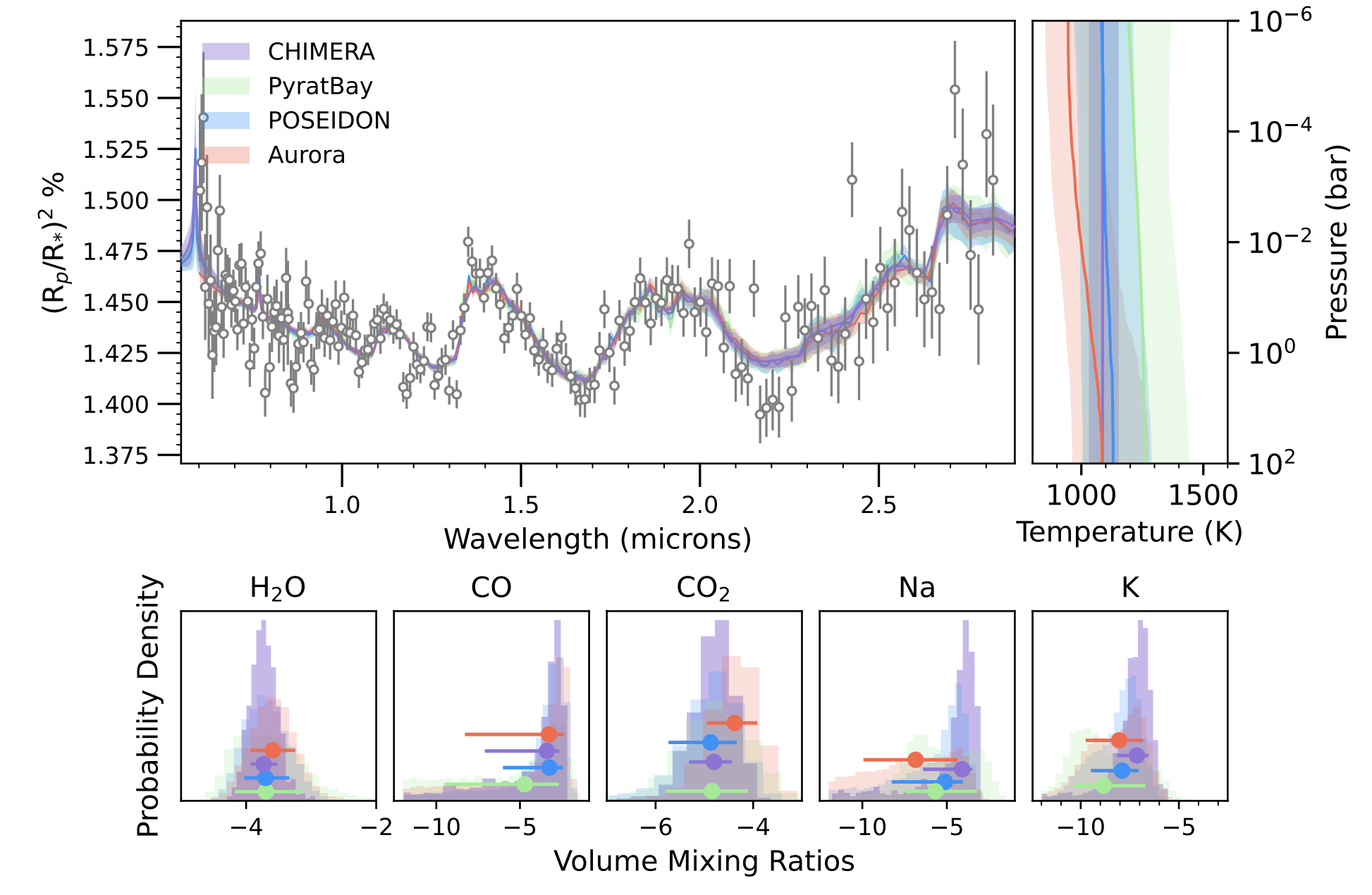
Awesome SOSS: atmospheric characterization of WASP-96 b using the JWST early release observations (ADS Link)
Description TBD.
Barrientos, Kaltenegger, & MacDonald (2023)
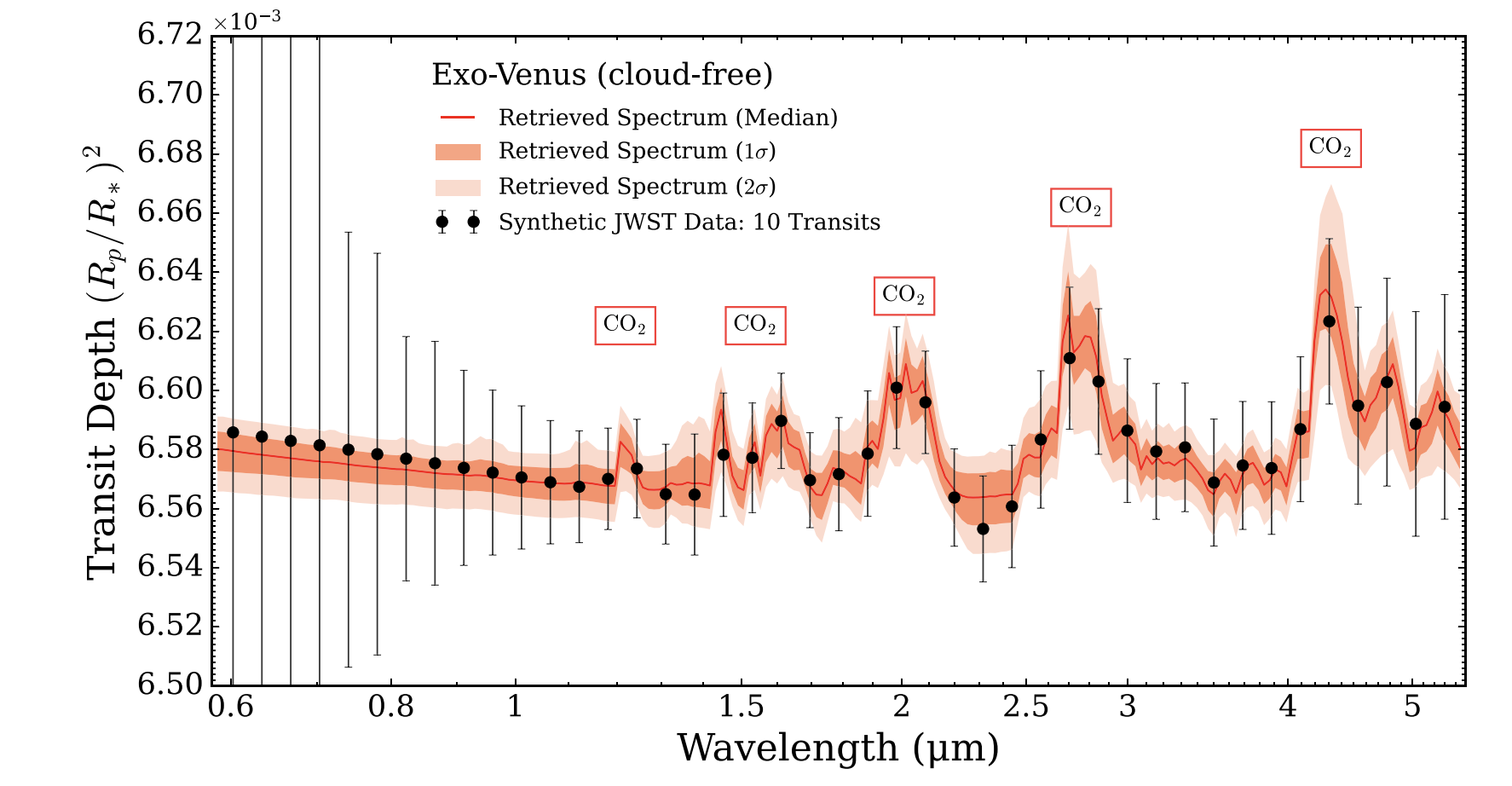
A Venus in the making? Predictions for JWST observations of the ultracool M-dwarf planet LP 890-9 c (ADS Link)
Description TBD.
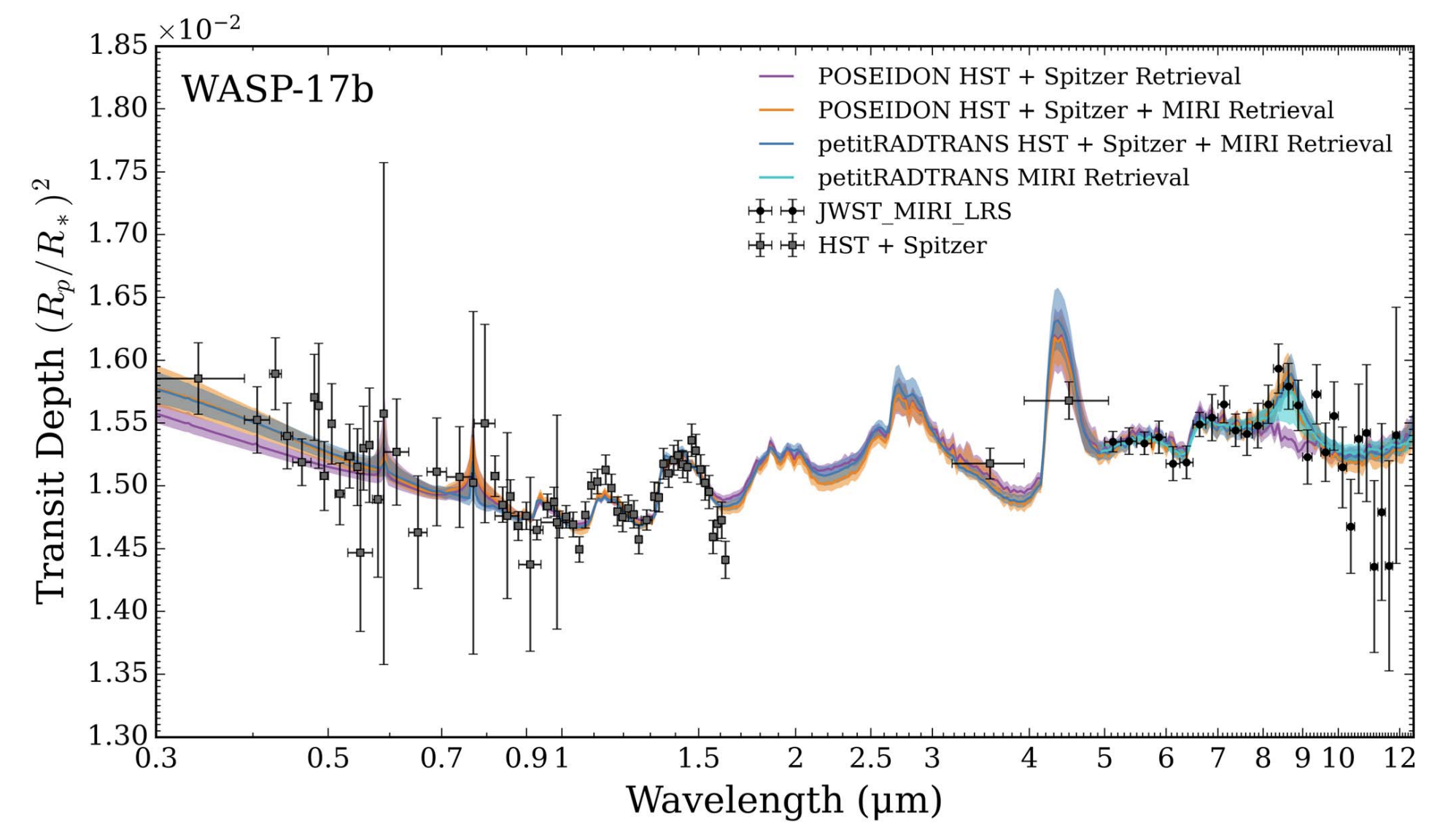
Grant et al. (2023)
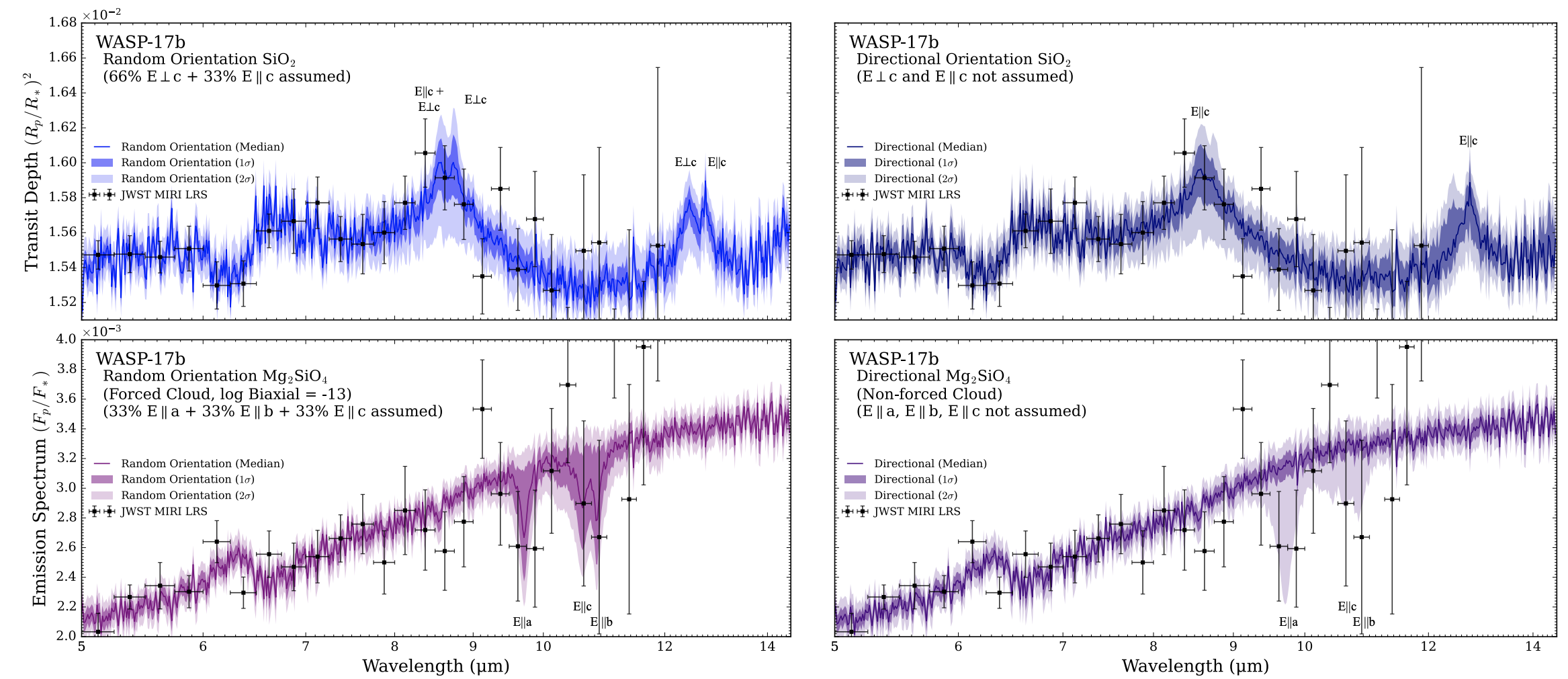
JWST-TST DREAMS: Quartz Clouds in the Atmosphere of WASP-17b (ADS Link)
Description TBD.
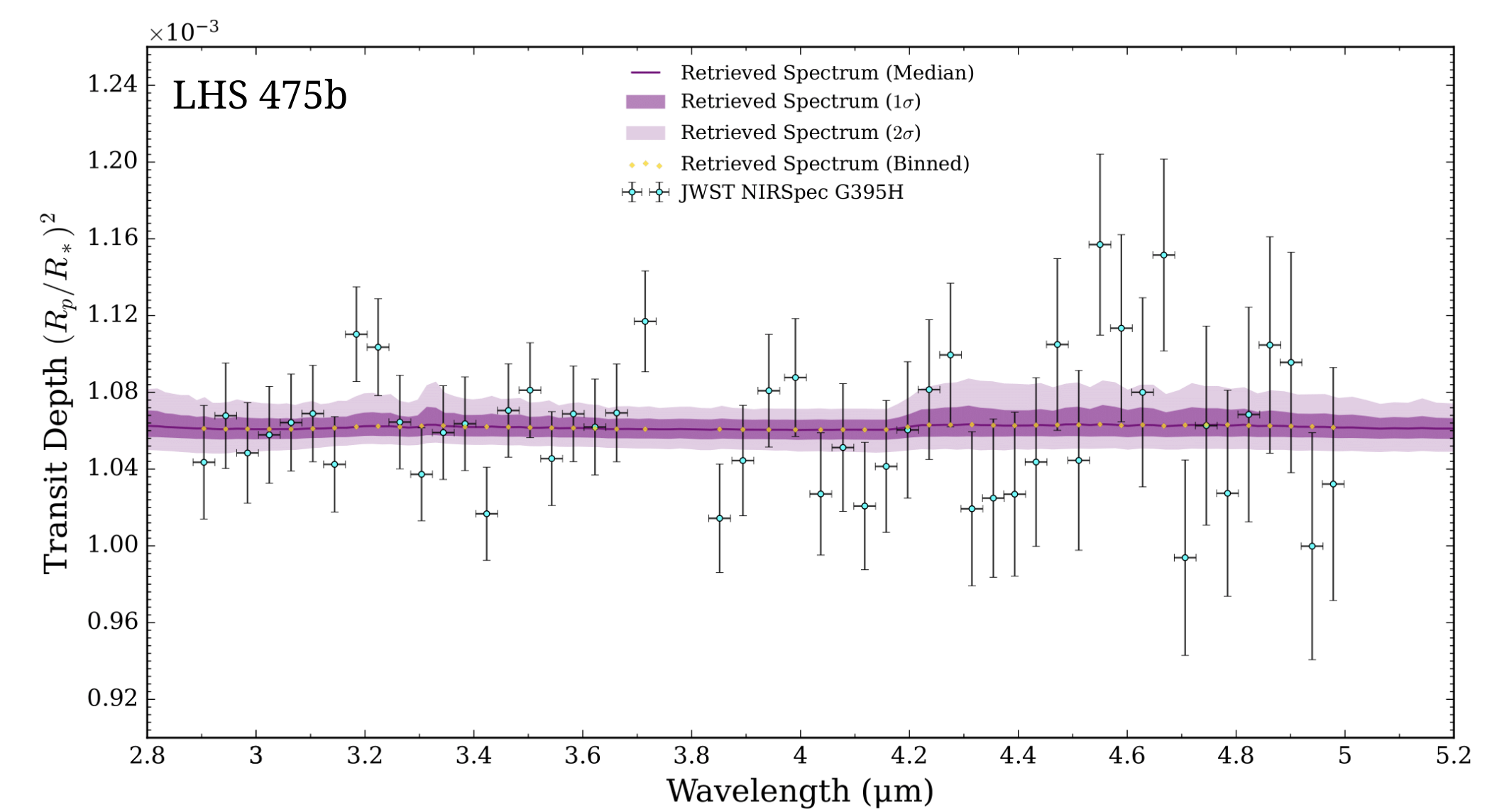
Lustig-Yaeger et al. (2023)
A JWST transmission spectrum of the nearby Earth-sized exoplanet LHS 475 b (ADS Link)
Description TBD.
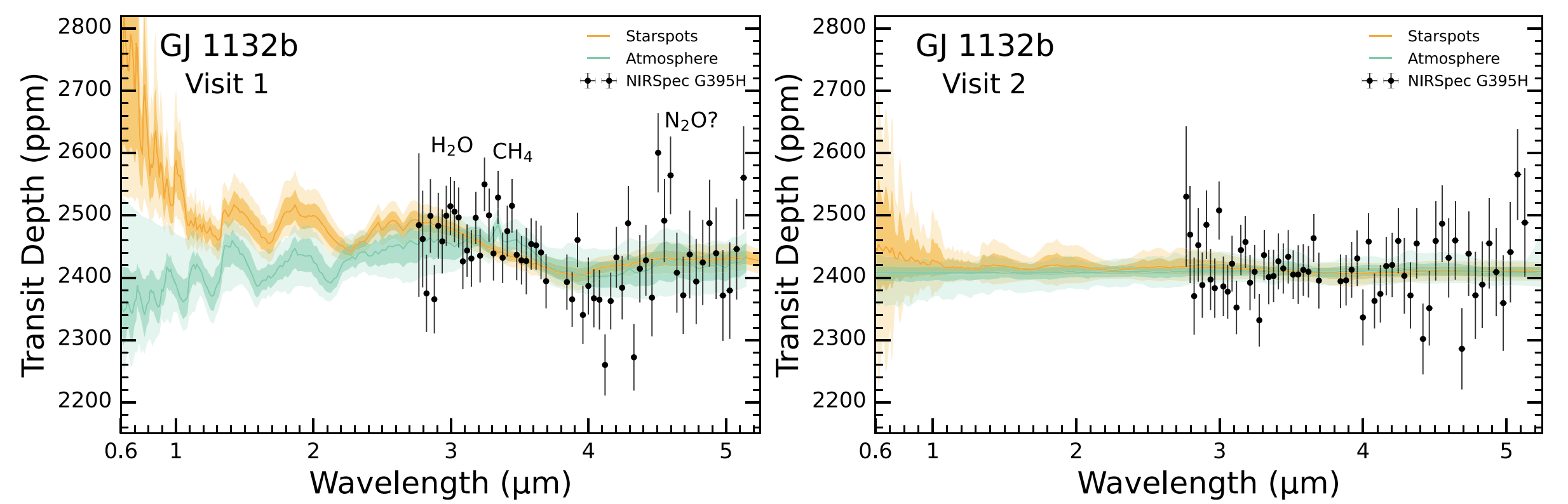
May et al. (2023)
Double Trouble: Two Transits of the Super-Earth GJ 1132 b Observed with JWST NIRSpec G395H (ADS Link)
Description TBD.
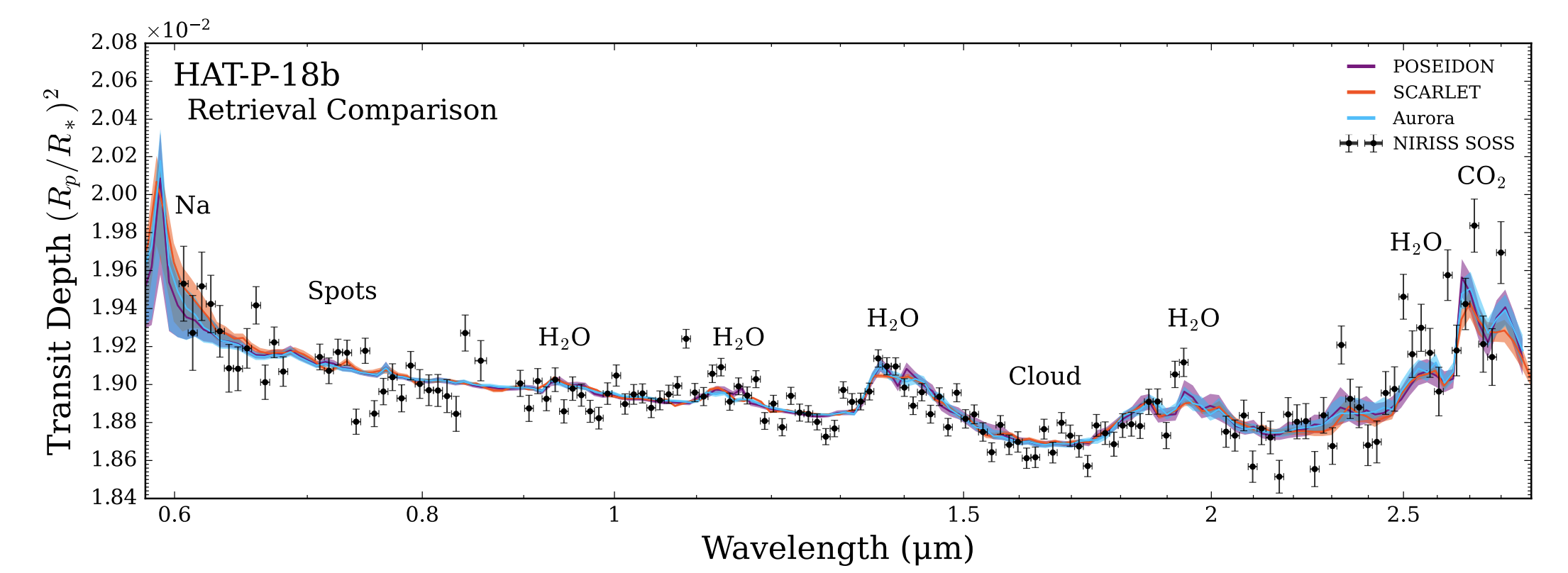
Fournier-Tondreau et al. (2024)
Near-infrared transmission spectroscopy of HAT-P-18 b with NIRISS: Disentangling planetary and stellar features in the era of JWST (ADS Link)
Description TBD.
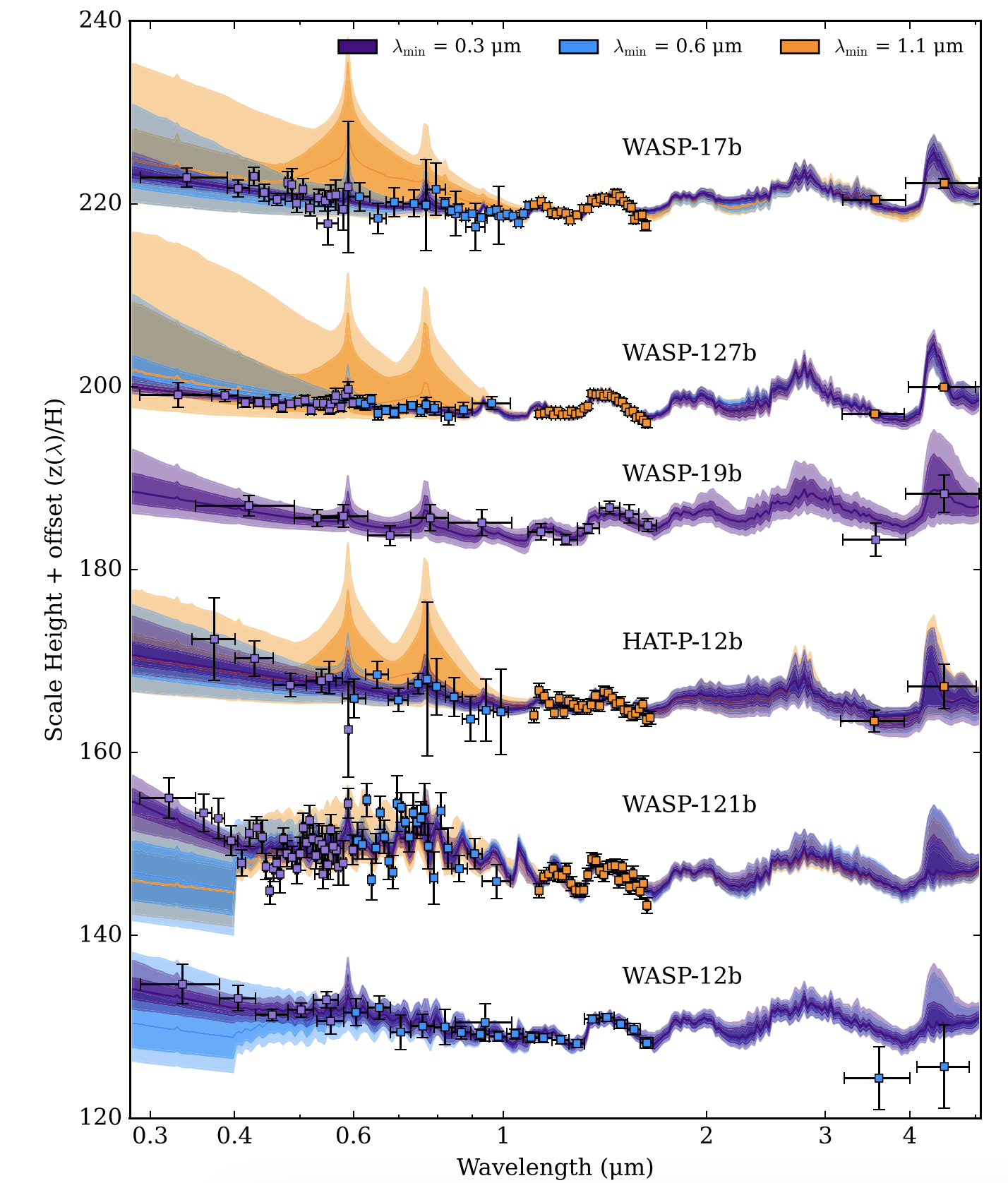
Fairman, Wakeford, & MacDonald (2024)
The Importance of Optical Wavelength Data on Atmospheric Retrievals of Exoplanet Transmission Spectra (ADS Link)
Description TBD.
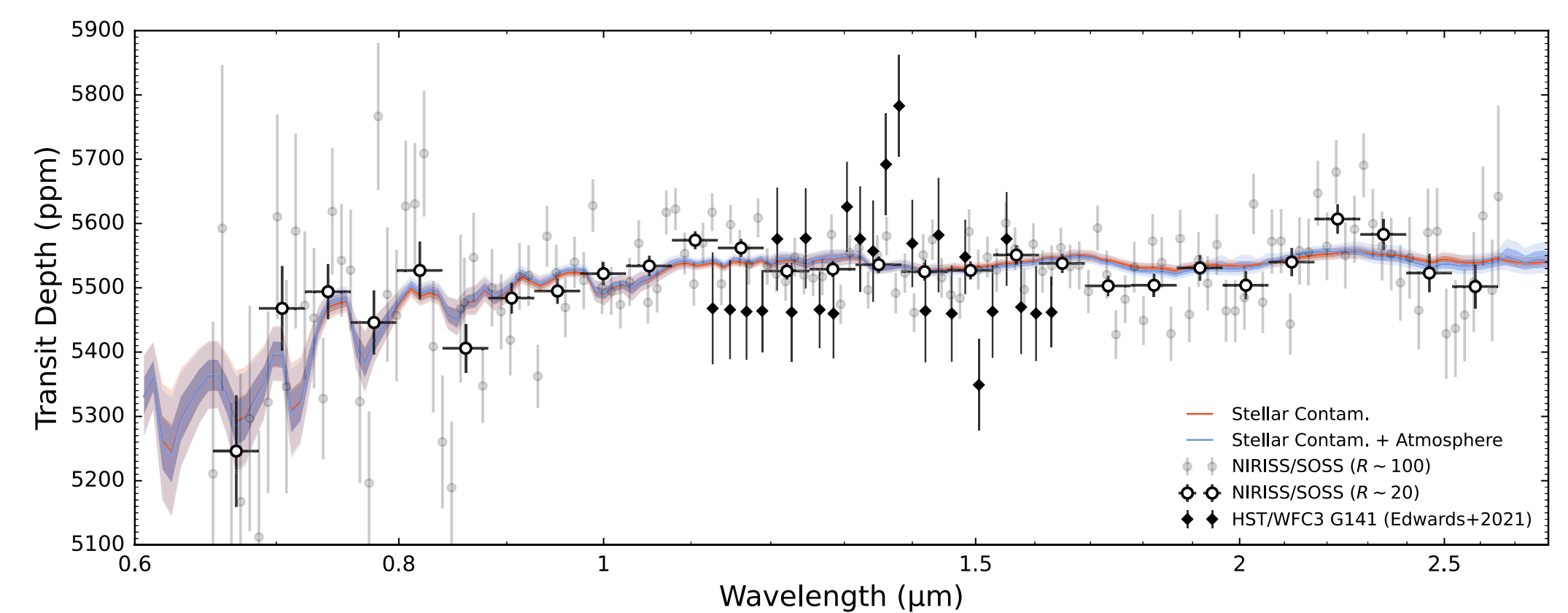
Cadieux et al. (2024)
Transmission Spectroscopy of the Habitable Zone Exoplanet LHS 1140 b with JWST/NIRISS (ADS Link)
Description TBD.
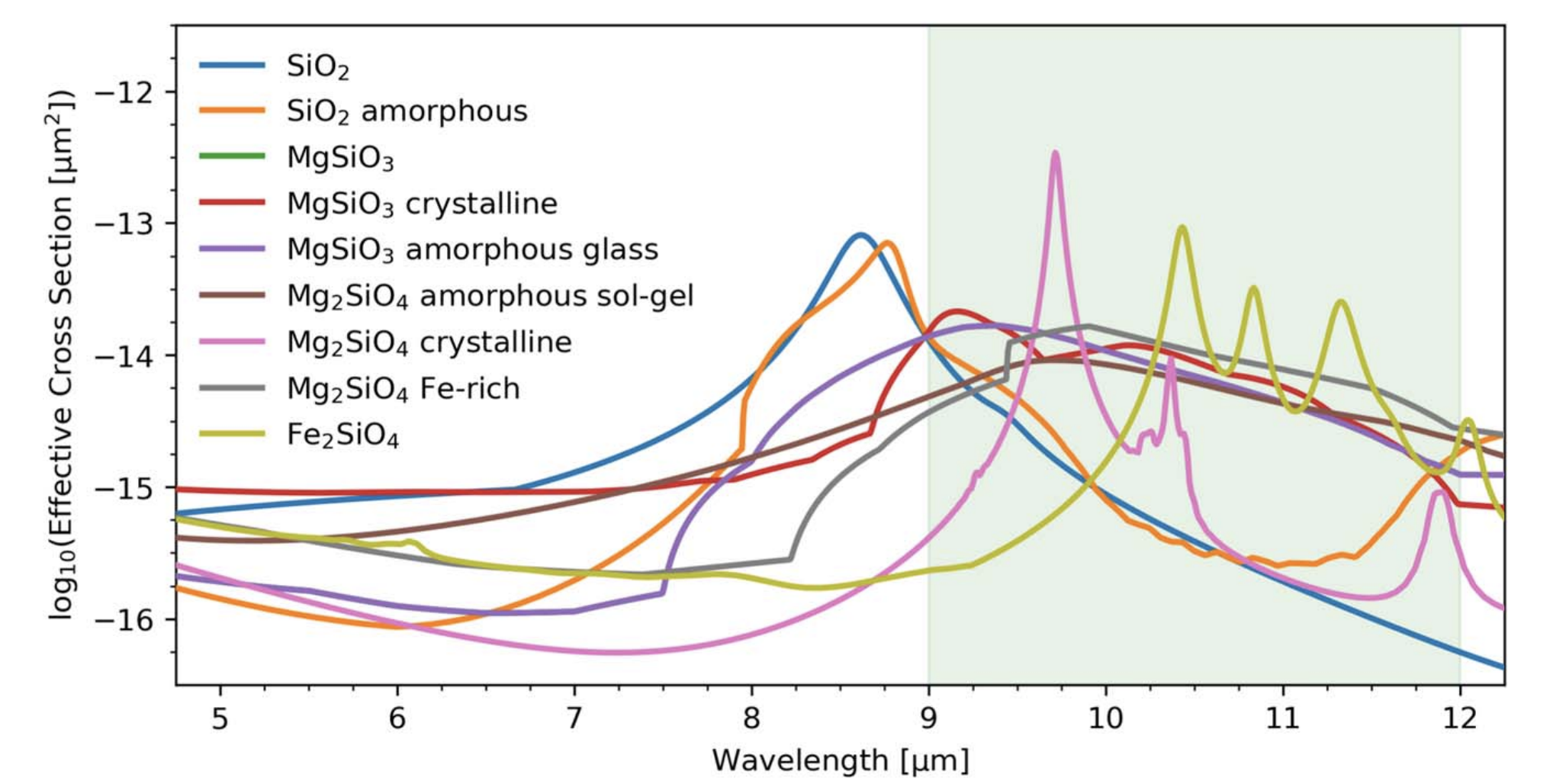
Valentine et al. (2024)
JWST-TST DREAMS: Nonuniform Dayside Emission for WASP-17b from MIRI/LRS (ADS Link)
Description TBD.
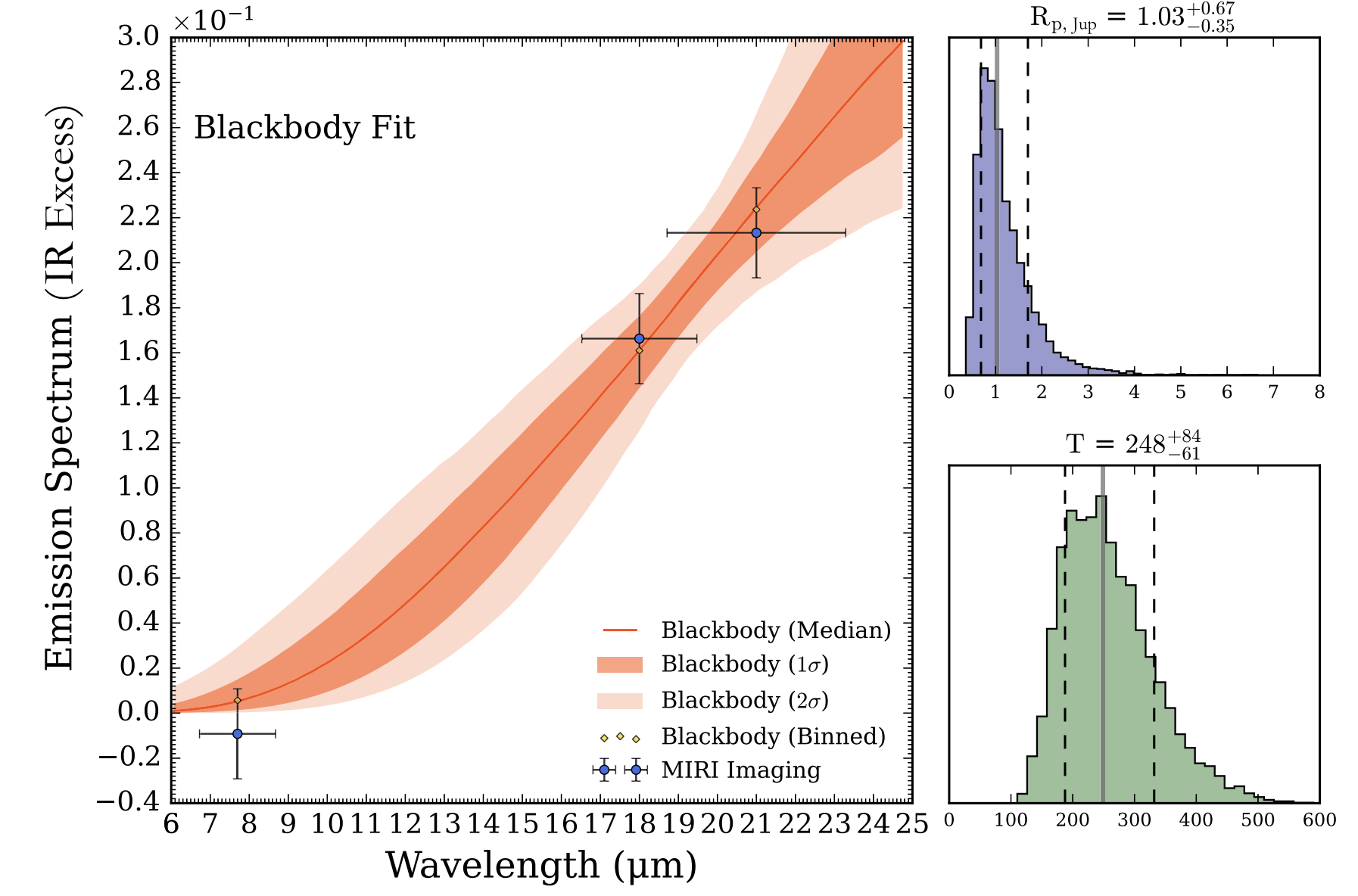
Limbach et al. (2024)
The MIRI Exoplanets Orbiting White dwarfs (MEOW) Survey: Mid-infrared Excess Reveals a Giant Planet Candidate around a Nearby White Dwarf (ADS Link)
Description TBD.
Piaulet-Ghorayeb et al. (2024)
JWST/NIRISS Reveals the Water-rich “Steam World” Atmosphere of GJ 9827 d (ADS Link)
Description TBD.
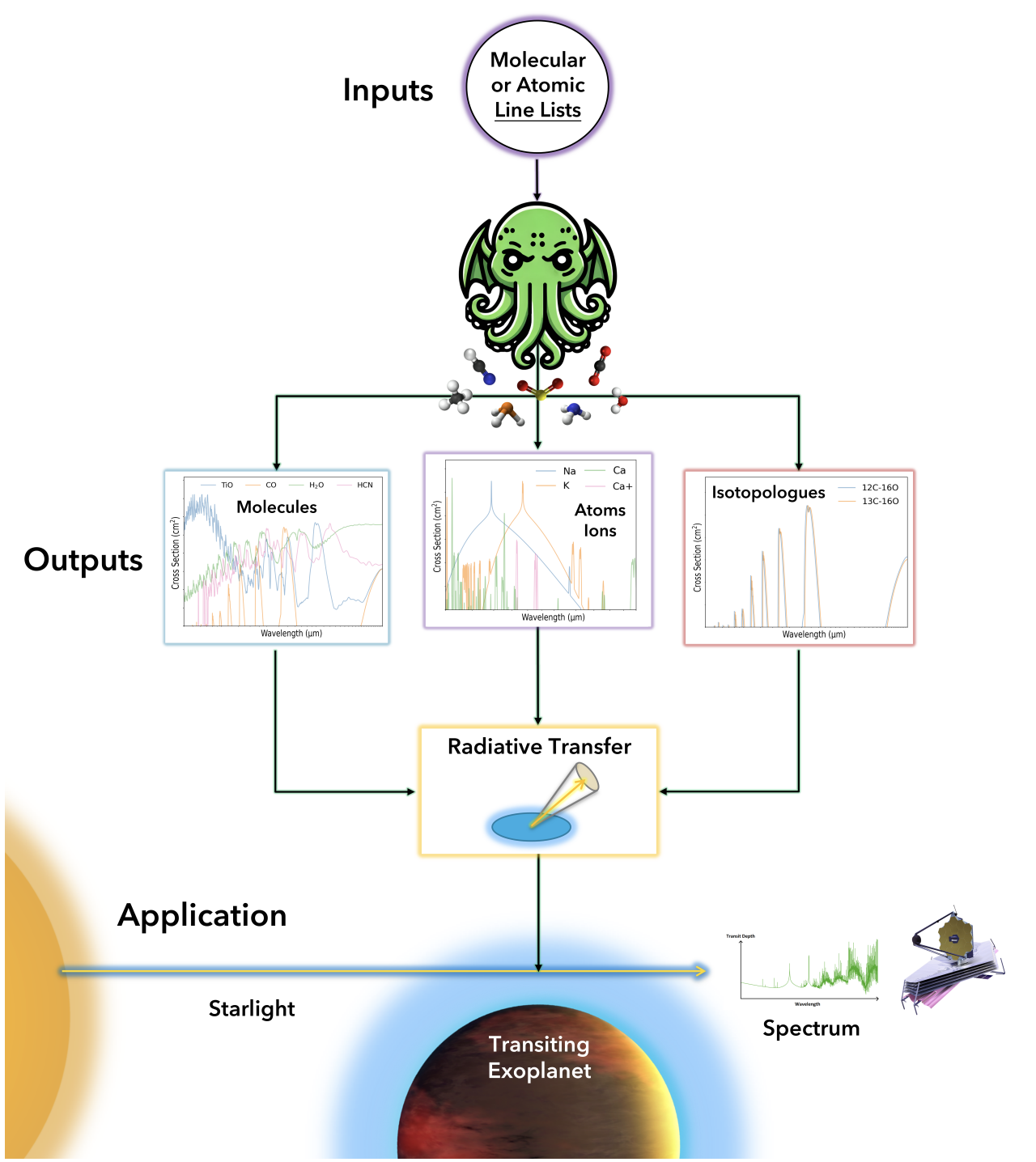
Agrawal & MacDonald (2024)
Cthulhu: An Open Source Molecular and Atomic Cross Section Computation Code for Substellar Atmospheres (ADS Link)
Release of the open-source code Cthulhu, which was used to compute POSEIDON’s cross sections.
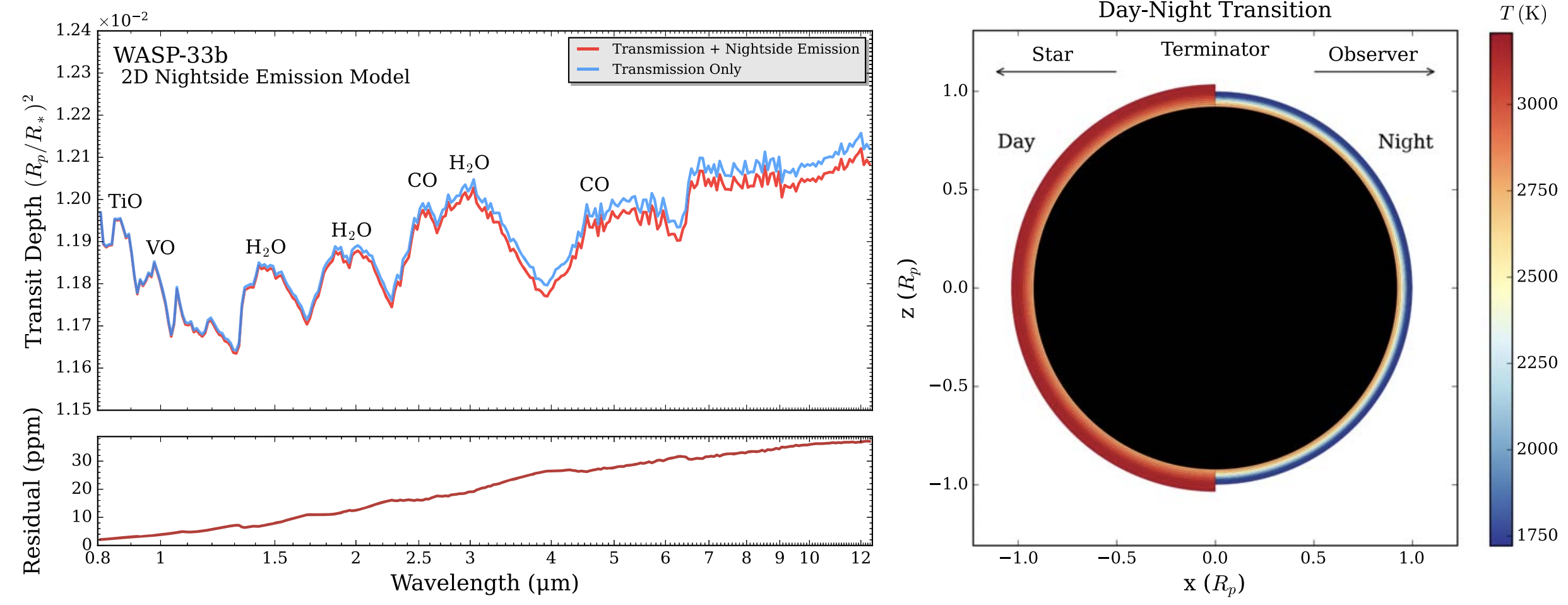
Kappelmeier, MacDonald, & Lewis (2024)
From the Shadows: The Impact of Nightside Thermal Emission on Ultrahot Jupiter Transmission Spectrum Retrievals (ADS Link)
Inclusion of nightside thermal emission in transmission spectra.
POSEIDON 1.2 Released! (September 2024)
Lead Developers of POSEIDON 1.2: Lead Developers: Elijah Mullens (Aerosols, Scattering + Reflection, Contribution Visuals, etc.), Ryan MacDonald (New Opacity Database), Charlotte Fairman (Contributor to Aerosol Models)
Coinciding Paper: Mullens, Lewis, & MacDonald (2024)
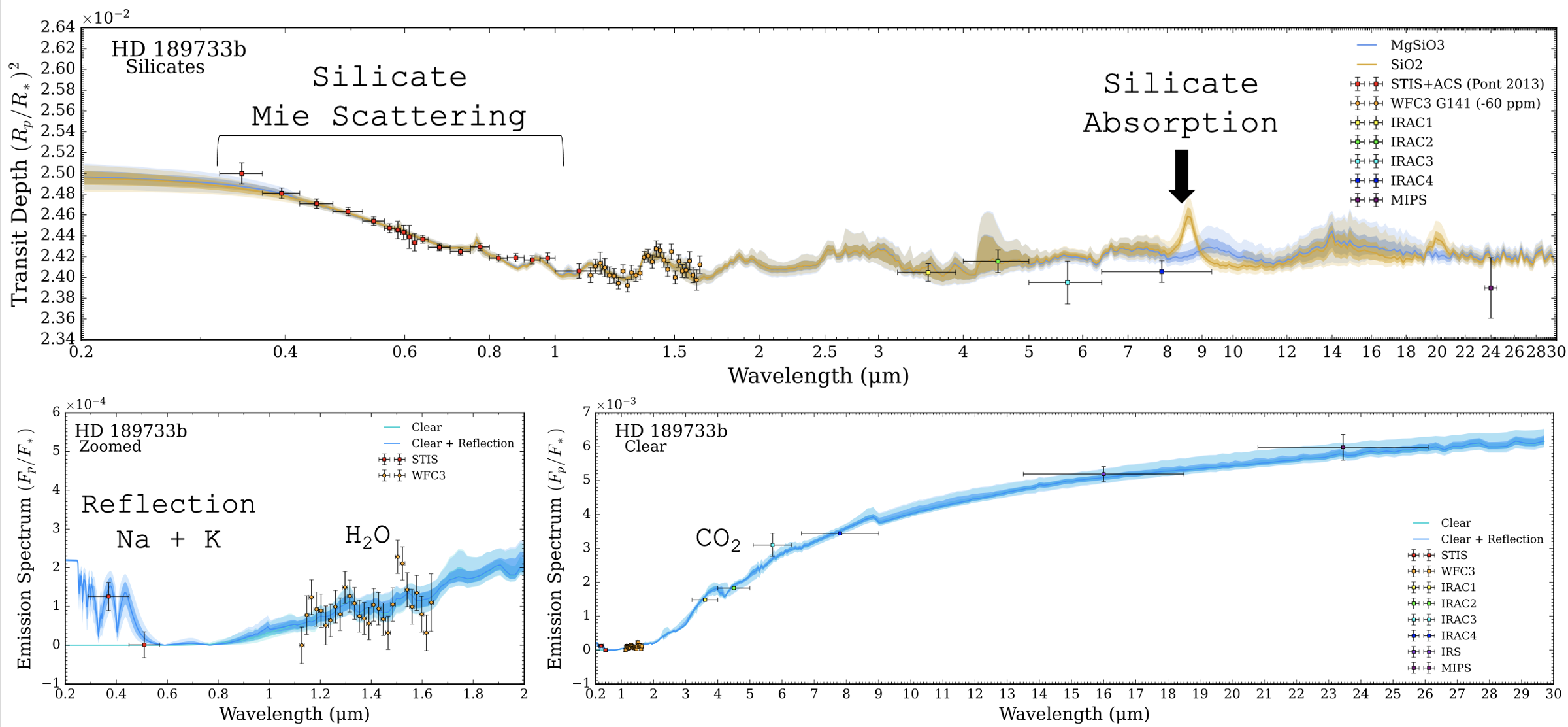
Mullens, Lewis, & MacDonald (2024)
Implementation of Aerosol Mie Scattering in POSEIDON with Application to the Hot Jupiter HD 189733 b’s Transmission, Emission, and Reflected Light Spectrum (ADS Link)
Added Mie scattering aerosols in transmission and emission, two-stream thermal scattering, reflection spectra, contribution functions (spectral + pressure), precomputed aerosol database, gas opacity updates, and new P-T profiles (Guillot, Line, Pelletier).
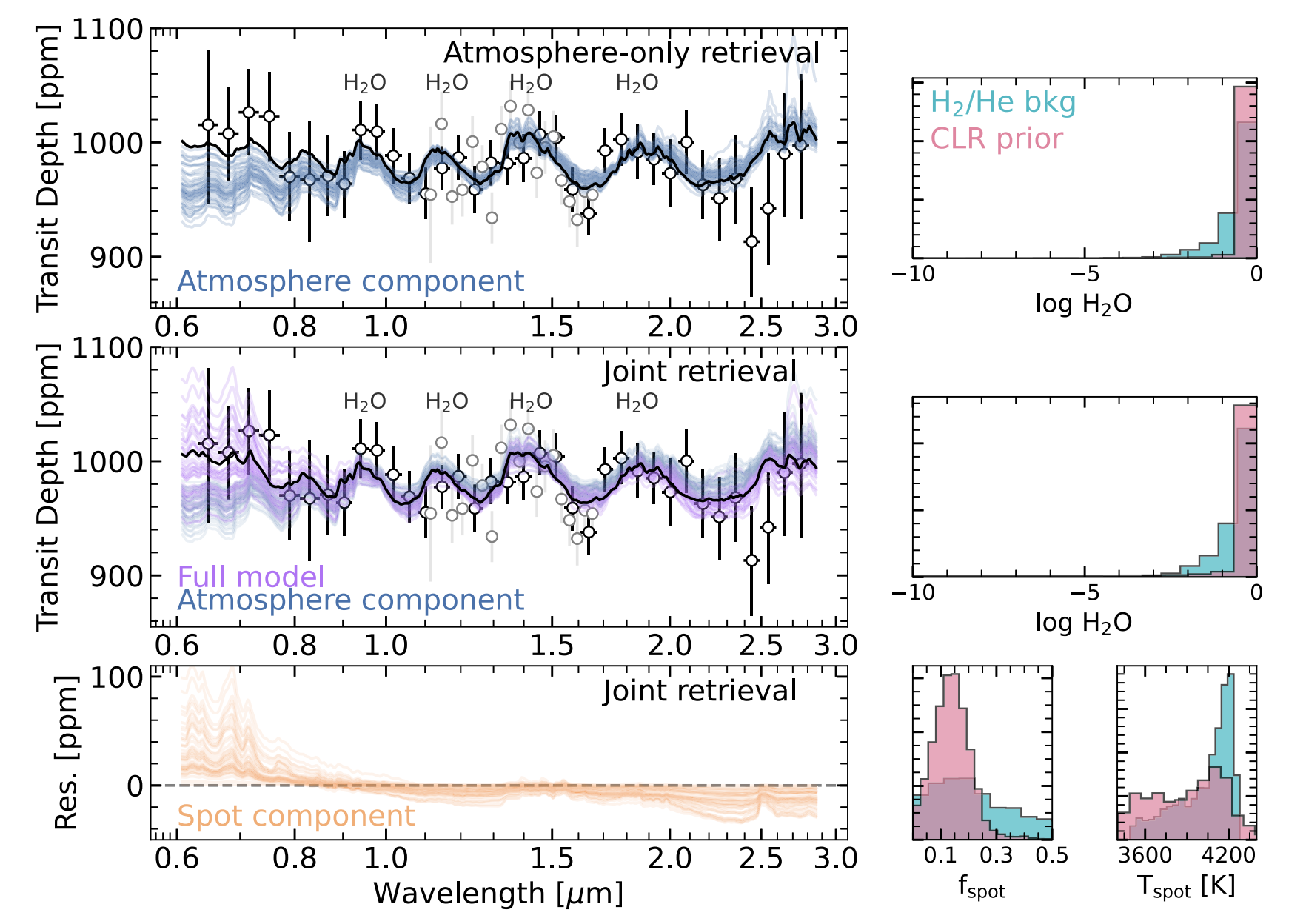
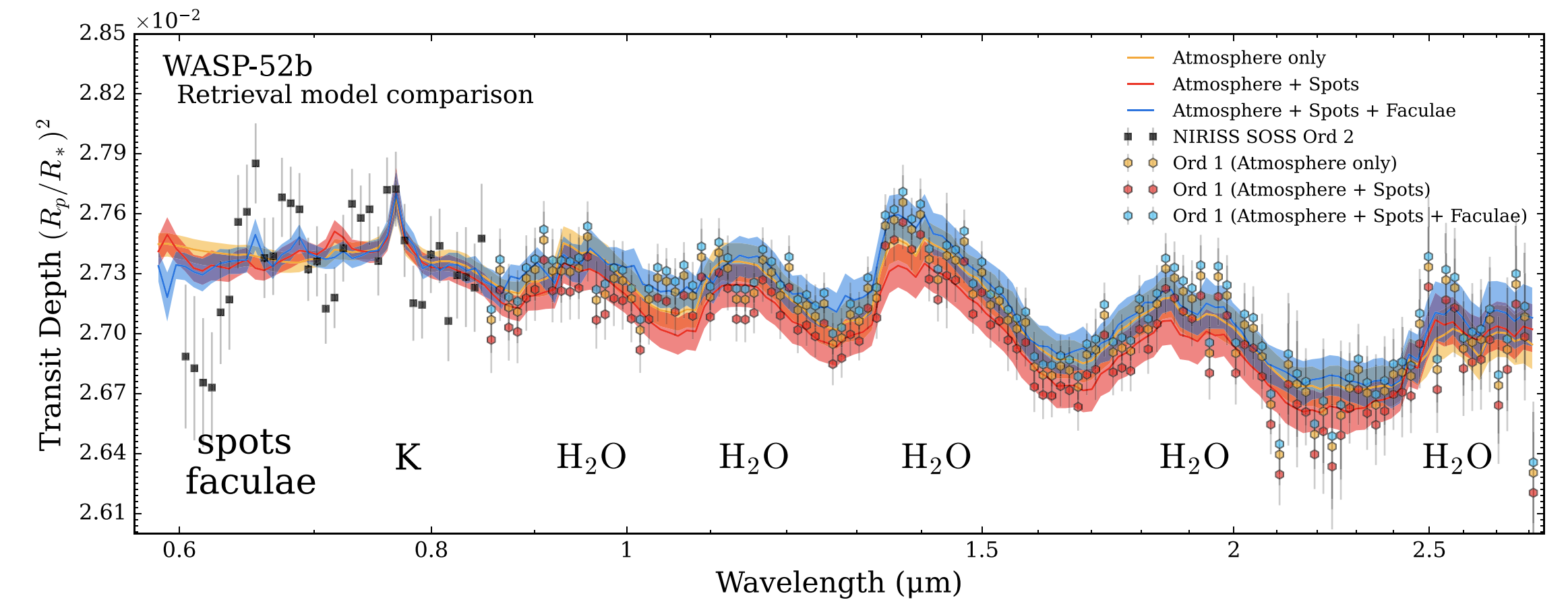
Fournier-Tondreau et al. (2024)
Transmission spectroscopy of WASP-52 b with JWST NIRISS: water and helium atmospheric absorption, alongside prominent star-spot crossings (ADS Link)
Description TBD.
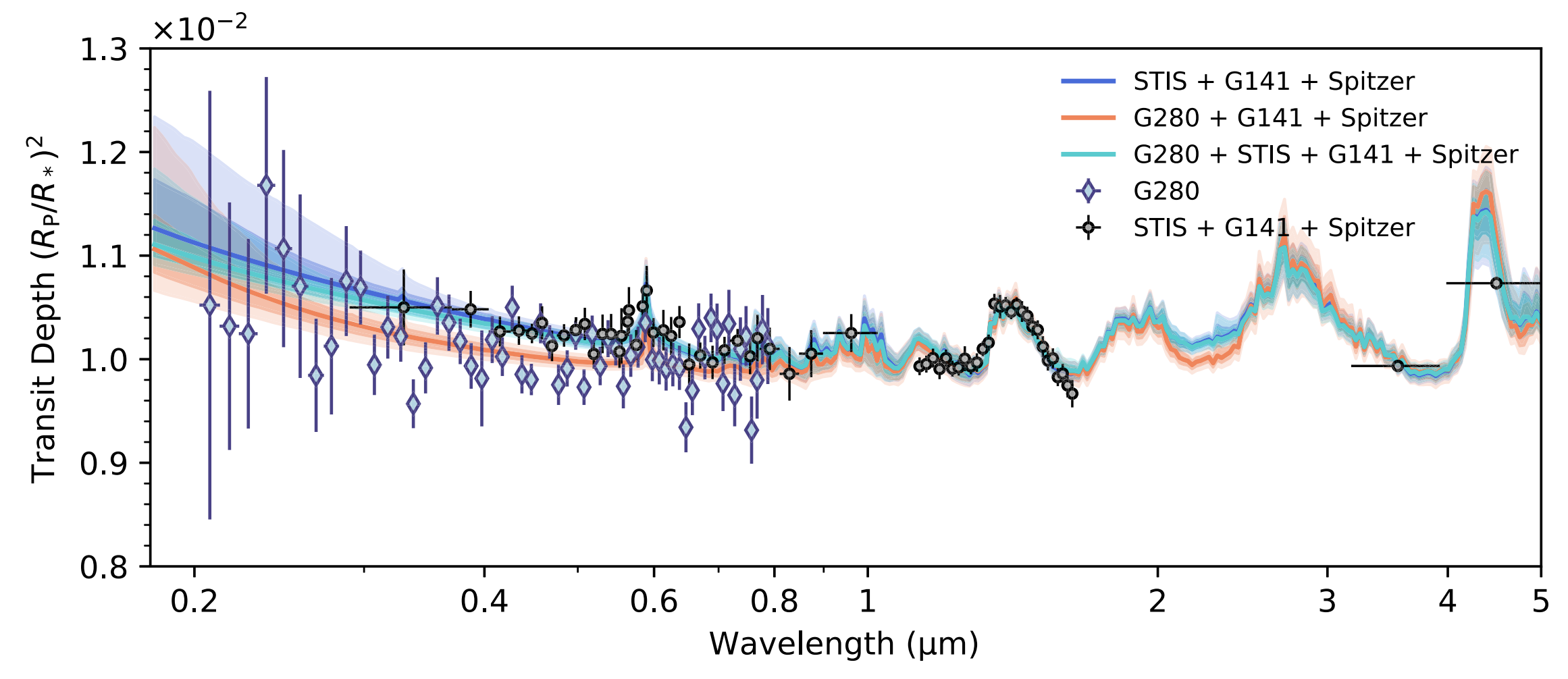
Boehm et al. (2025)
The HUSTLE Program: The UV to Near-infrared HST WFC3/UVIS G280 Transmission Spectrum of WASP-127b (ADS Link)
Description TBD.
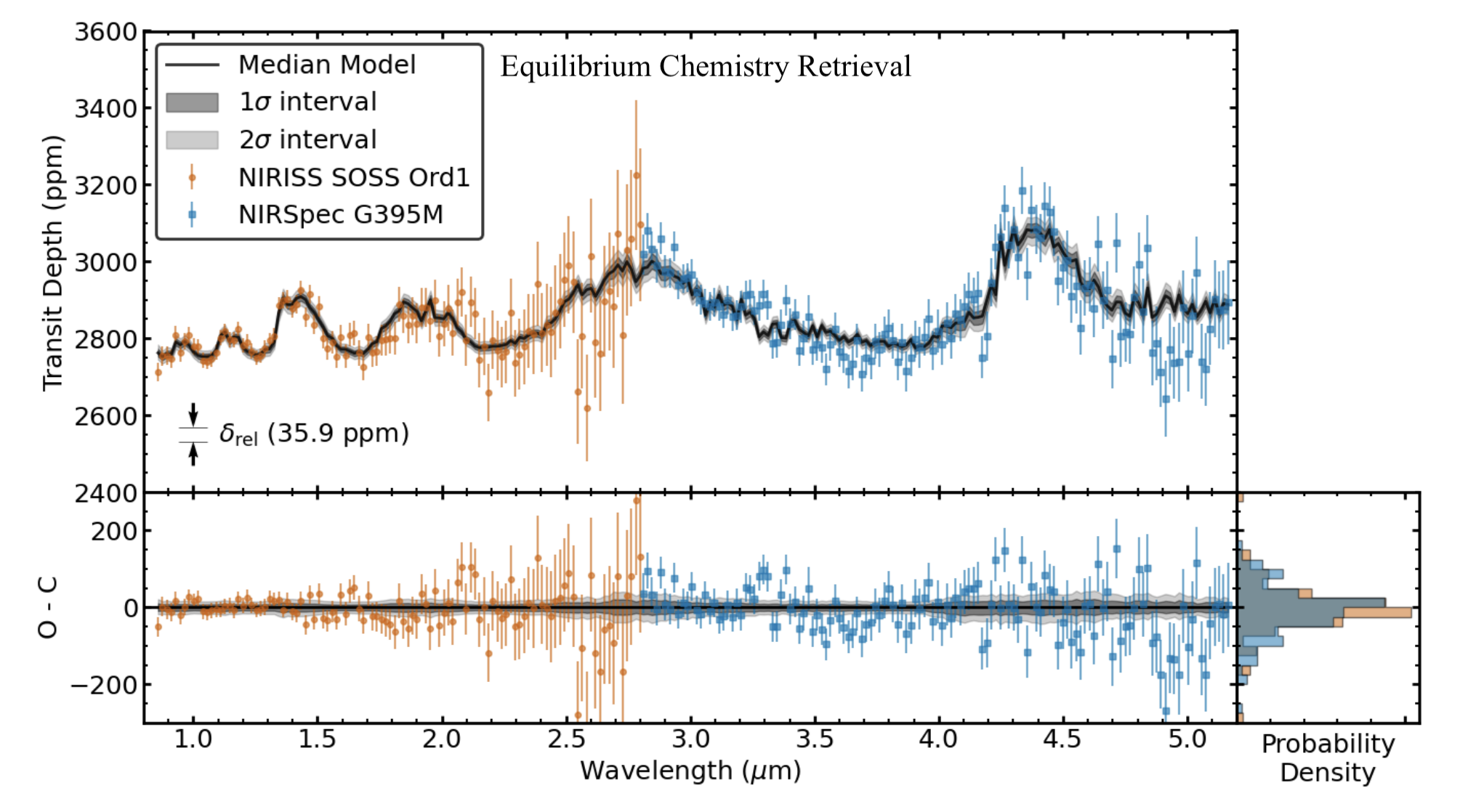
Mayo et al. (2025)
Detection of H2O and CO2 in the Atmosphere of the Hot Super-Neptune WASP-166b with JWST (ADS Link)
Description TBD.
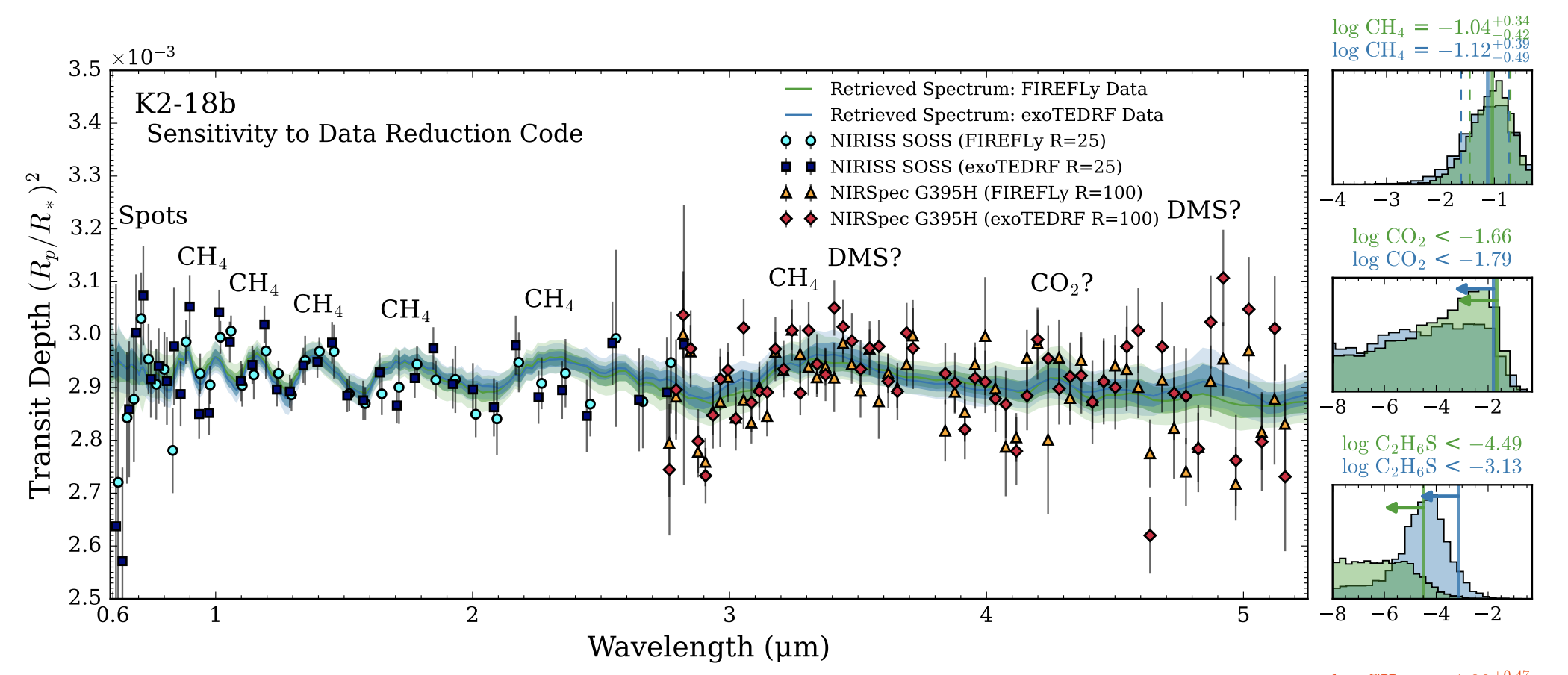
Schmidt et al. (2025)
A Comprehensive Reanalysis of K2-18 b’s JWST NIRISS+NIRSpec Transmission Spectrum (ADS Link)
Application of POSEIDON to reanalyse K2-18b’s JWST NIRISS and NIRSpec transmission spectra, finding no evidence of DMS.
Jacobs et al. (2025)
Spectroscopically Resolved Partial Phase Curve of the Rapid Heating and Cooling of the Highly Eccentric Hot Jupiter HAT-P-2b with WFC3 (ADS Link)
Description TBD.
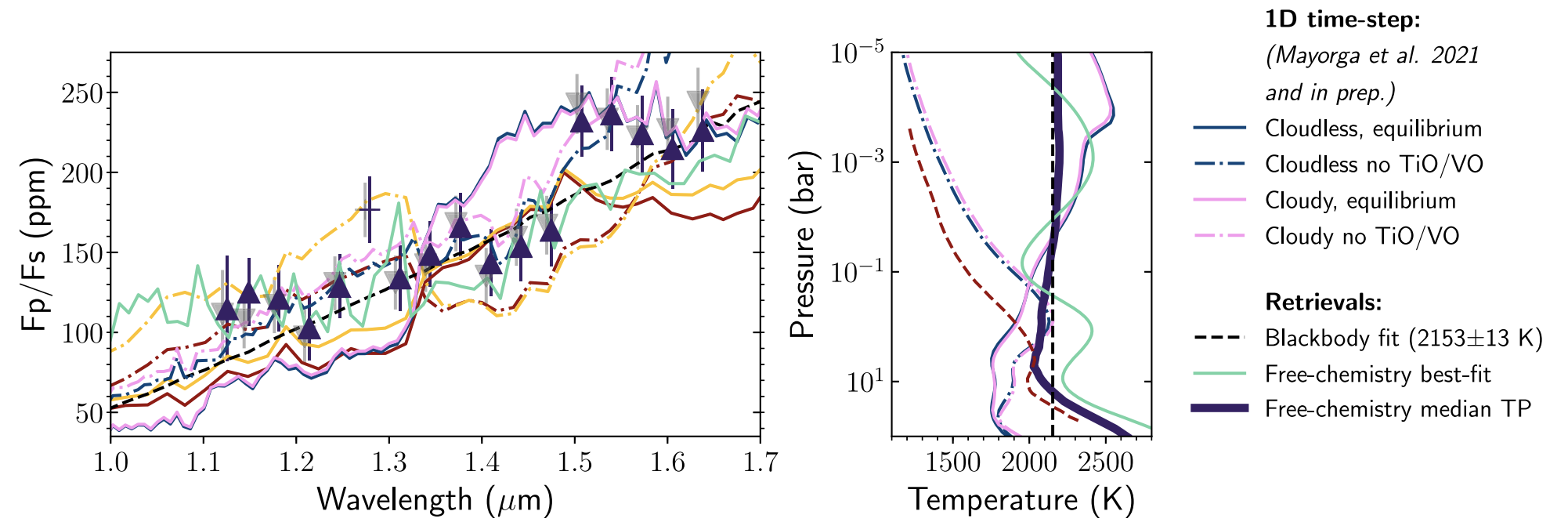
Bello-Arufe et al. (2025)
Evidence for a Volcanic Atmosphere on the Sub-Earth L 98-59 b (ADS Link)
Description TBD.
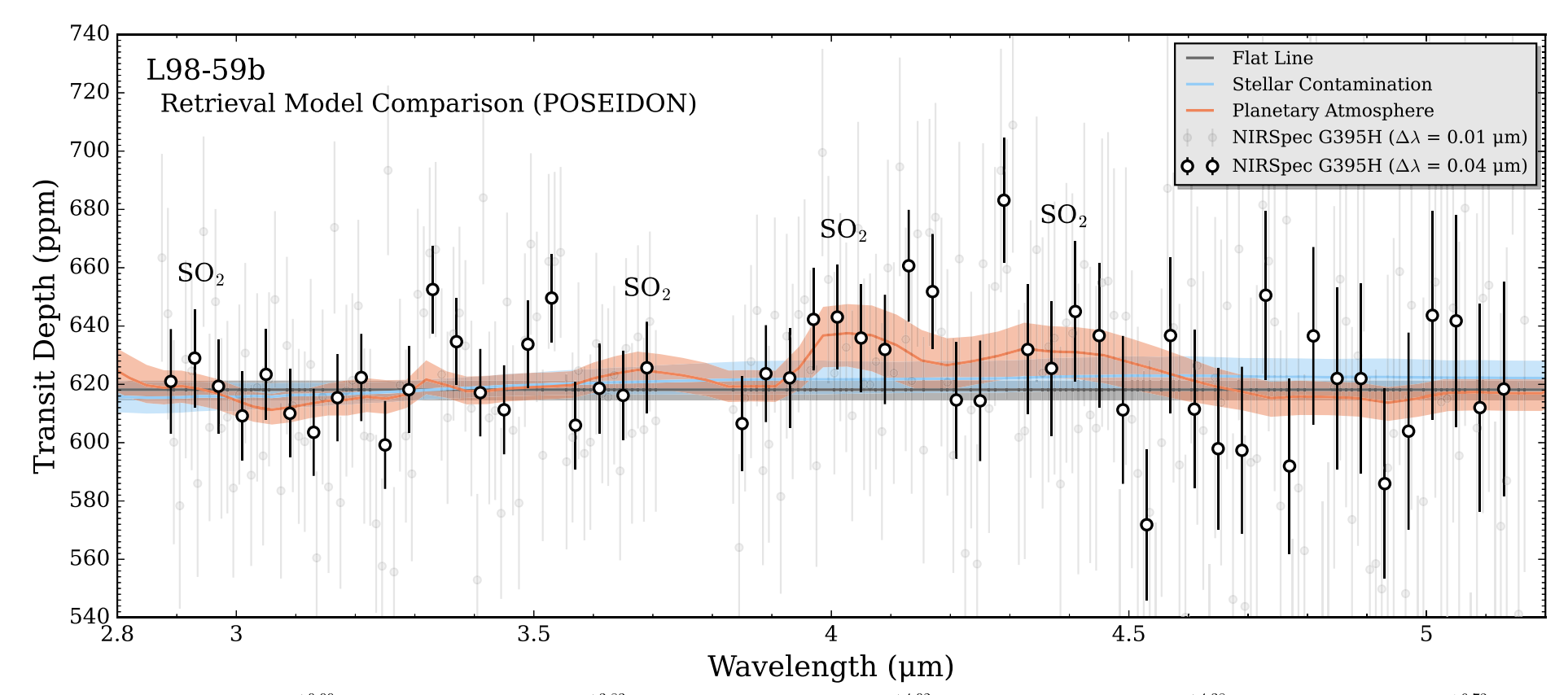
Gressier et al. (2025)
JWST-TST DREAMS: A Supersolar Metallicity in WASP-17 b’s Dayside Atmosphere from NIRISS SOSS Eclipse Spectroscopy (ADS Link)
Description TBD.
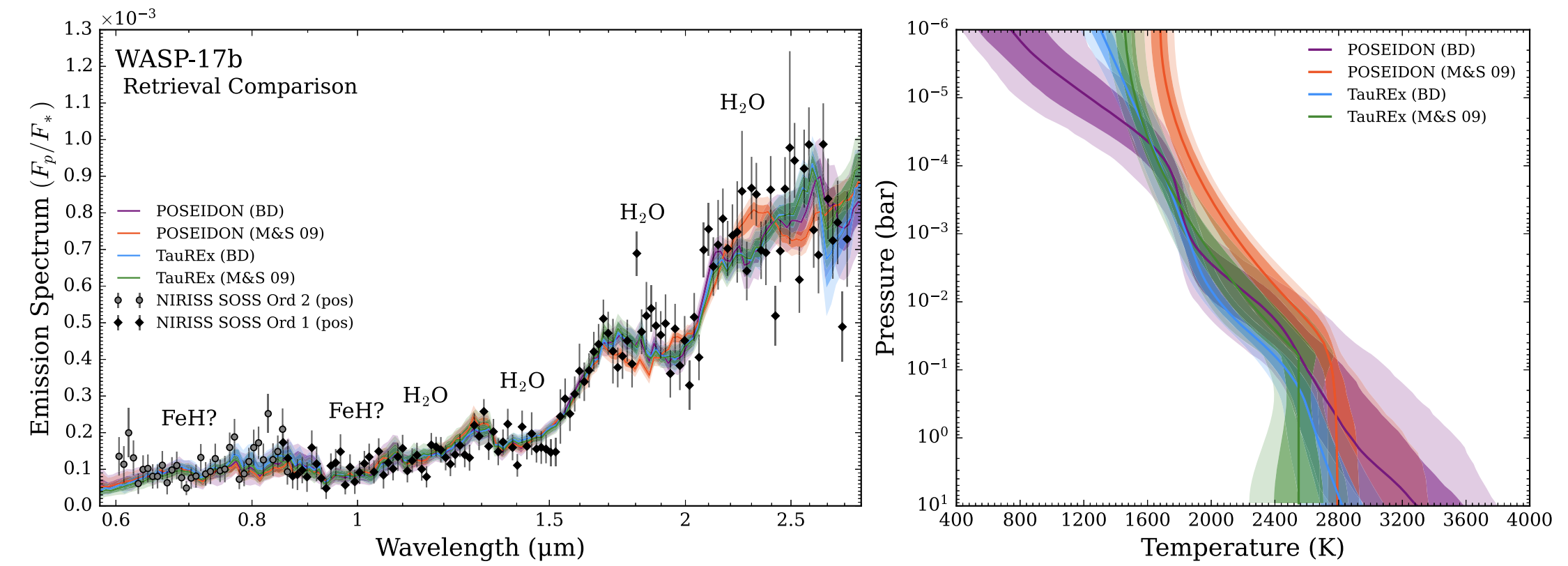
Louie et al. (2025)
JWST-TST DREAMS: A Precise Water Abundance for Hot Jupiter WASP-17b from the NIRISS SOSS Transmission Spectrum (ADS Link)
Description TBD.
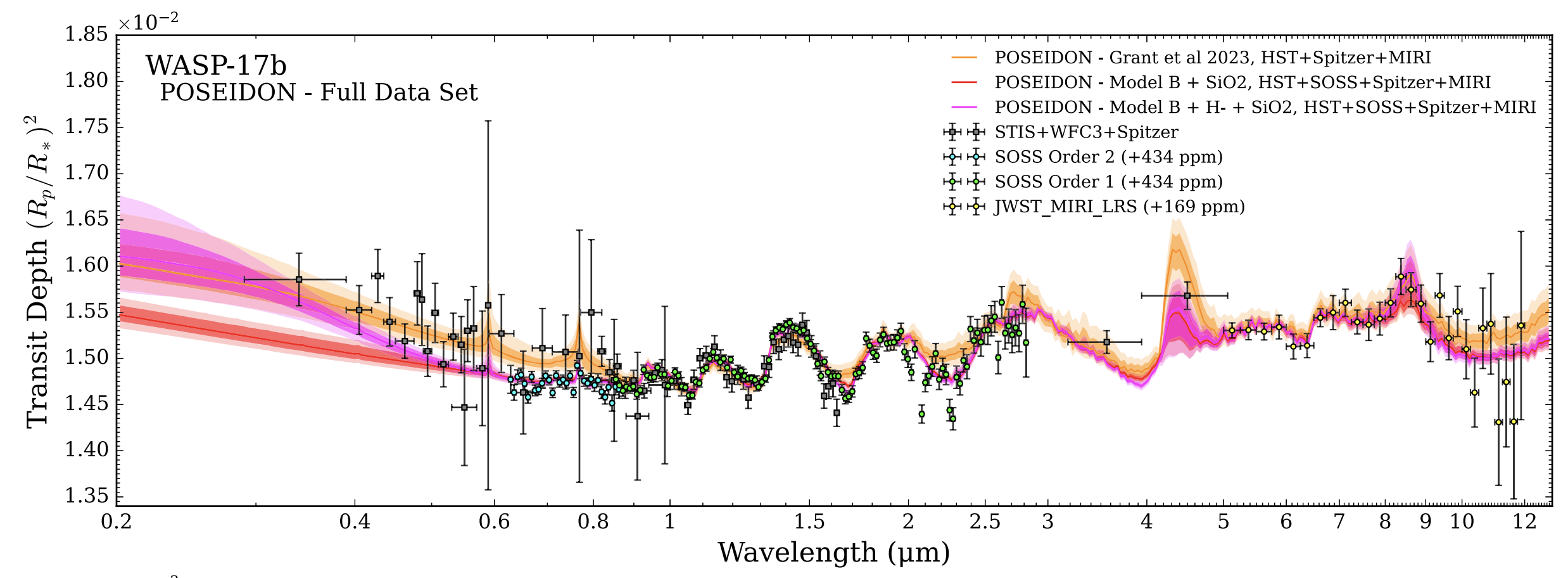
Bennett et al. (2025)
An HST Transmission Spectrum of the Closest M Dwarf Transiting Rocky Planet LTT 1445Ab (ADS Link)
Description TBD.
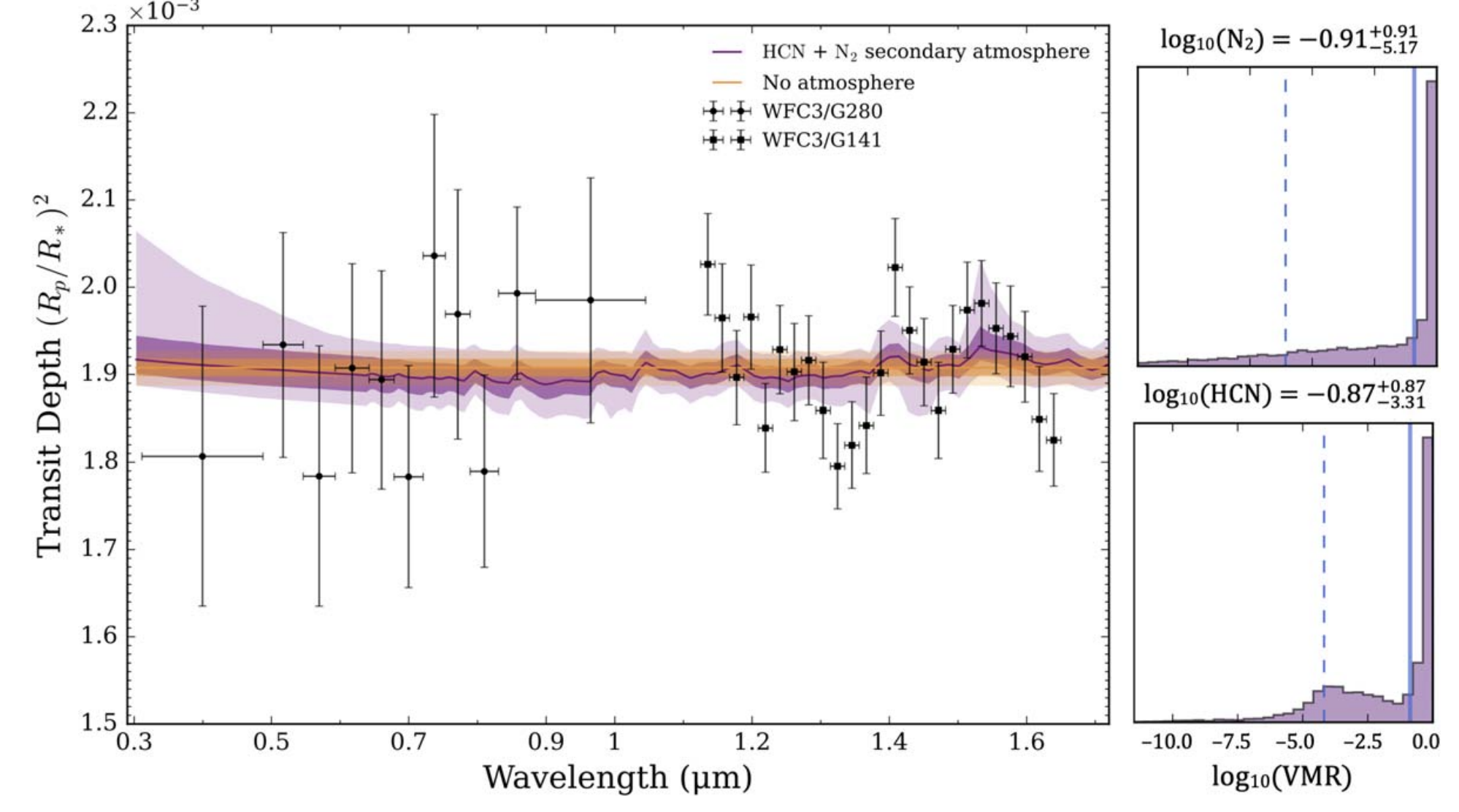
Perdelwitz et al. (2025)
The Influence of Stellar Chromospheres and Coronae on Exoplanet Transmission Spectroscopy (ADS Link)
Description TBD.
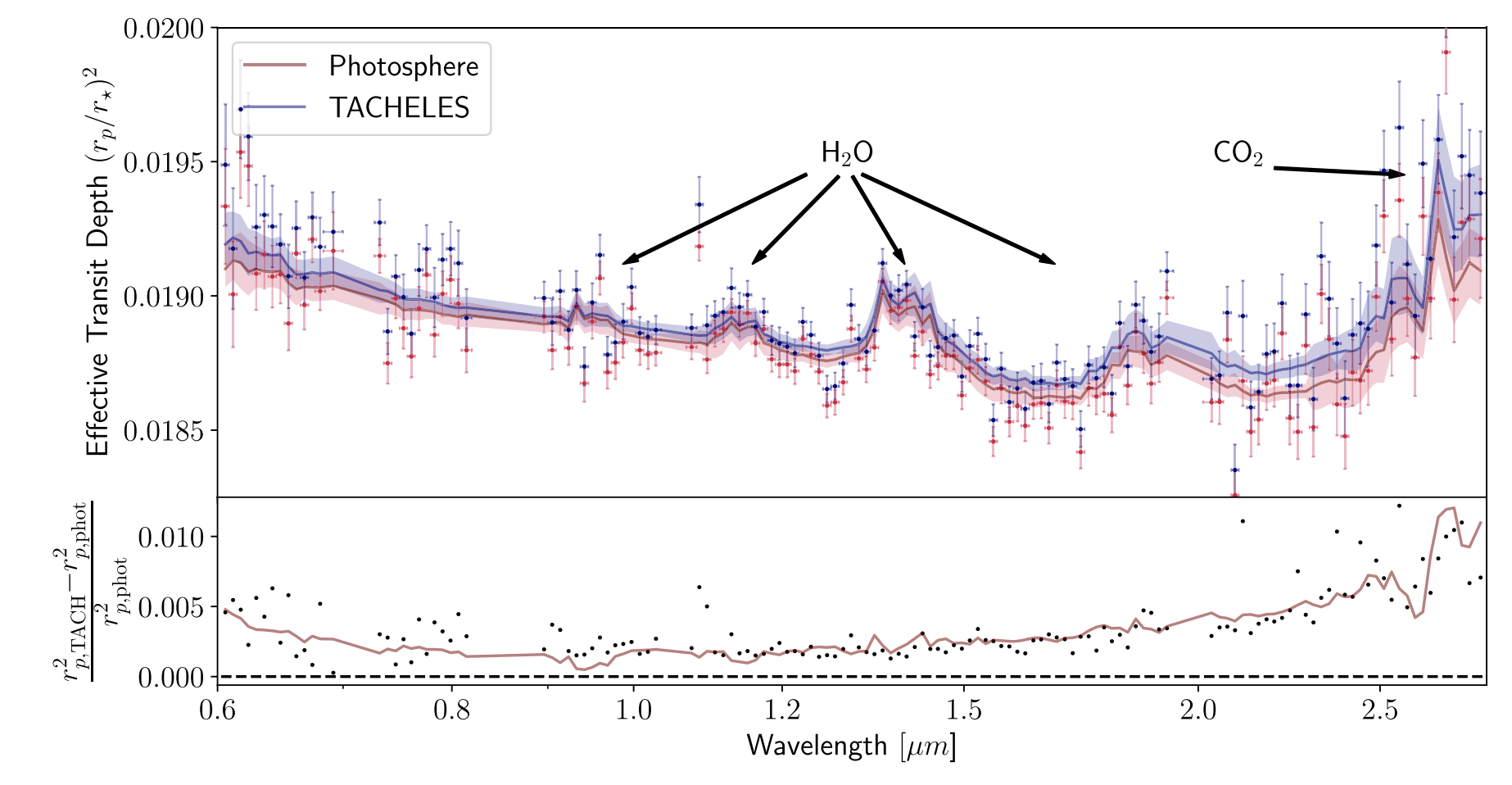
Cañas et al. (2025)
GEMS JWST: Transmission spectroscopy of TOI-5205b reveals significant stellar contamination and a metal-poor atmosphere (ADS Link)
Description TBD.
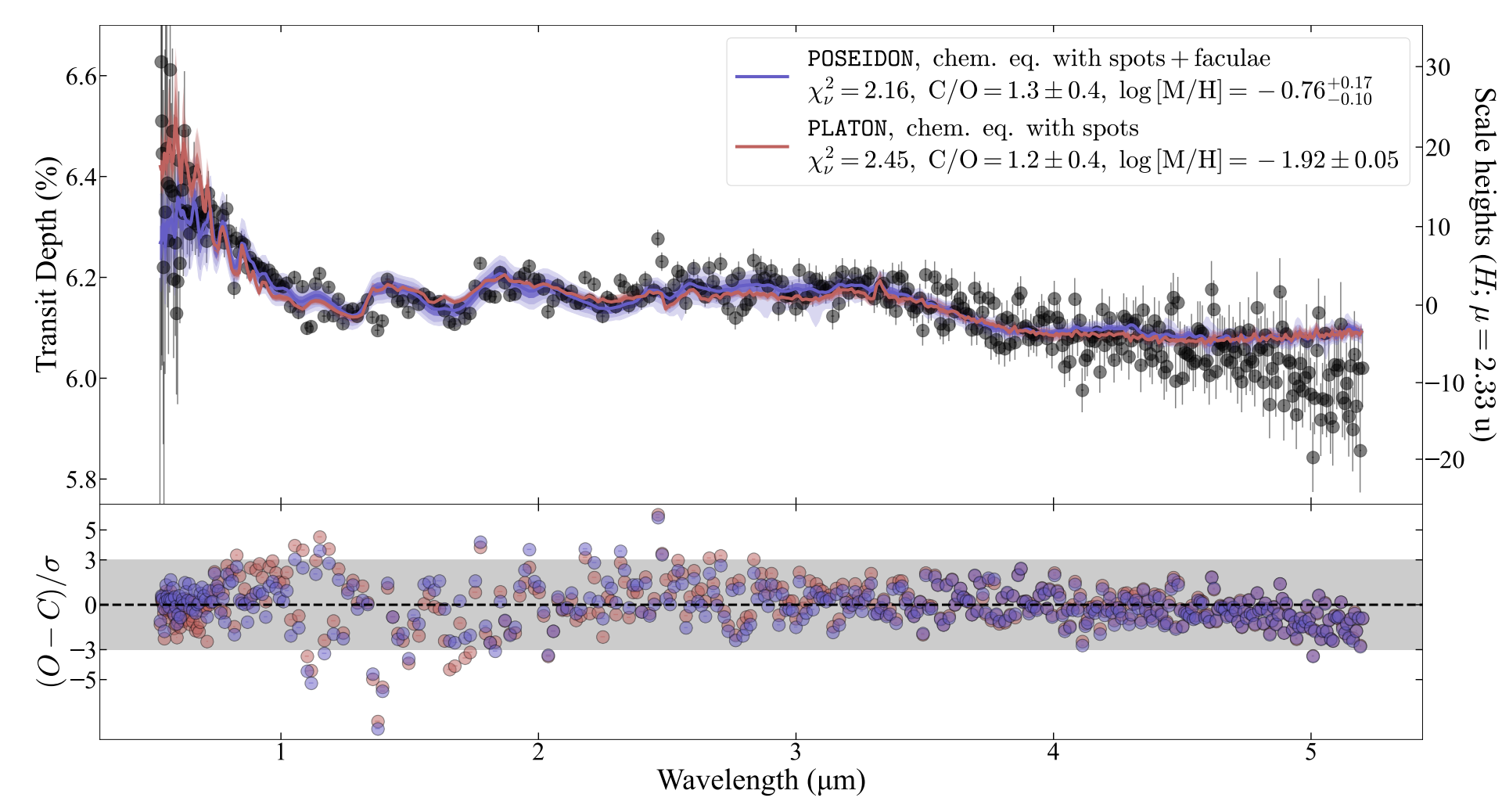
Vilovic et al. (2025)
Superhabitable Planets Around Mid-Type K Dwarf Stars Enhance Simulated JWST Observability and Surface Habitability (ADS Link)
Description TBD.
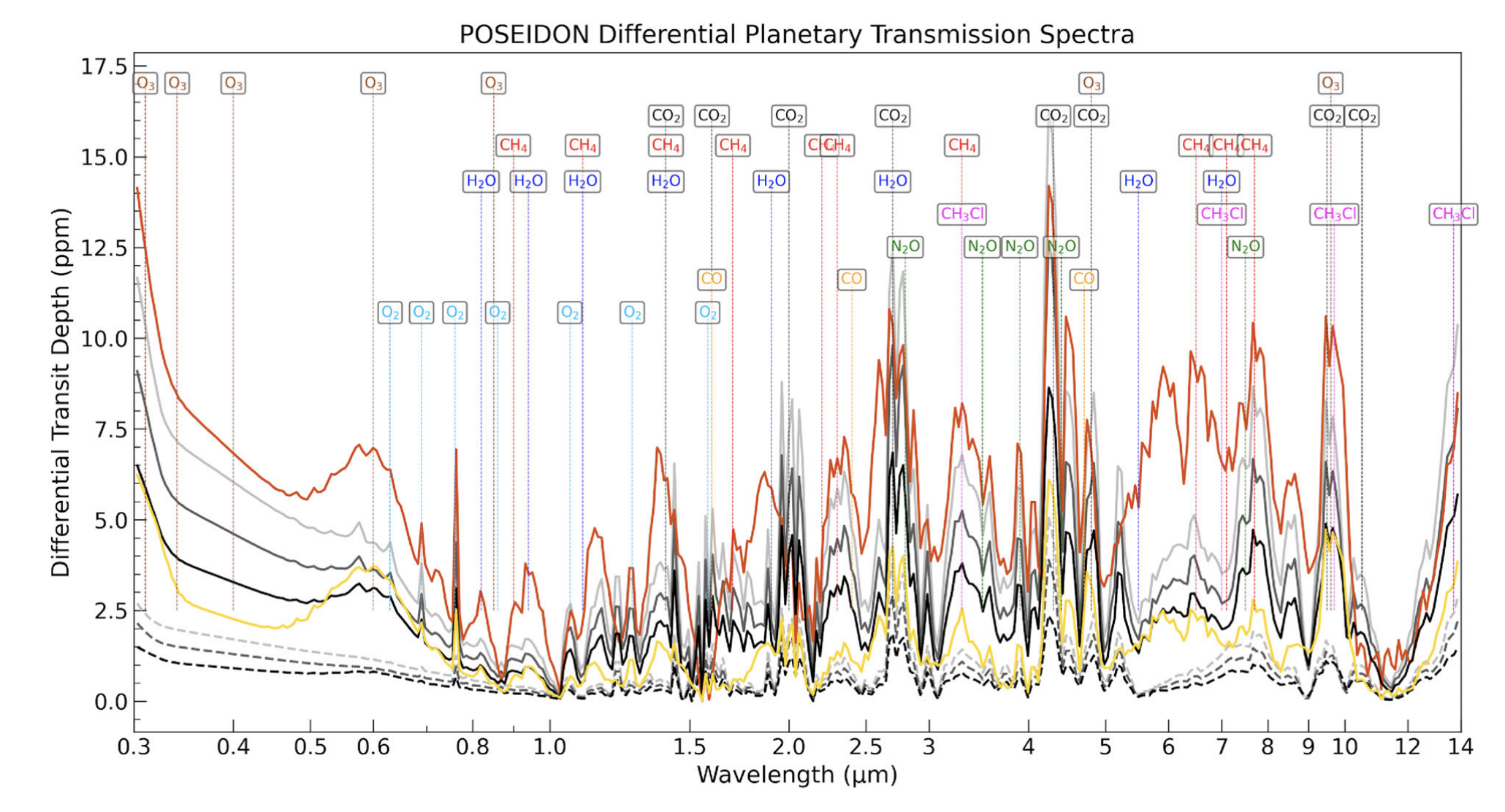
POSEIDON 1.3 Released! (April 2025)
Lead Developers of POSEIDON 1.3: Lead Developers: Ruizhe Wang (High-Resolution Cross-Correlation Retrieval), Ryan MacDonald (Opacities)
Coinciding Paper: Wang et al. (2025)
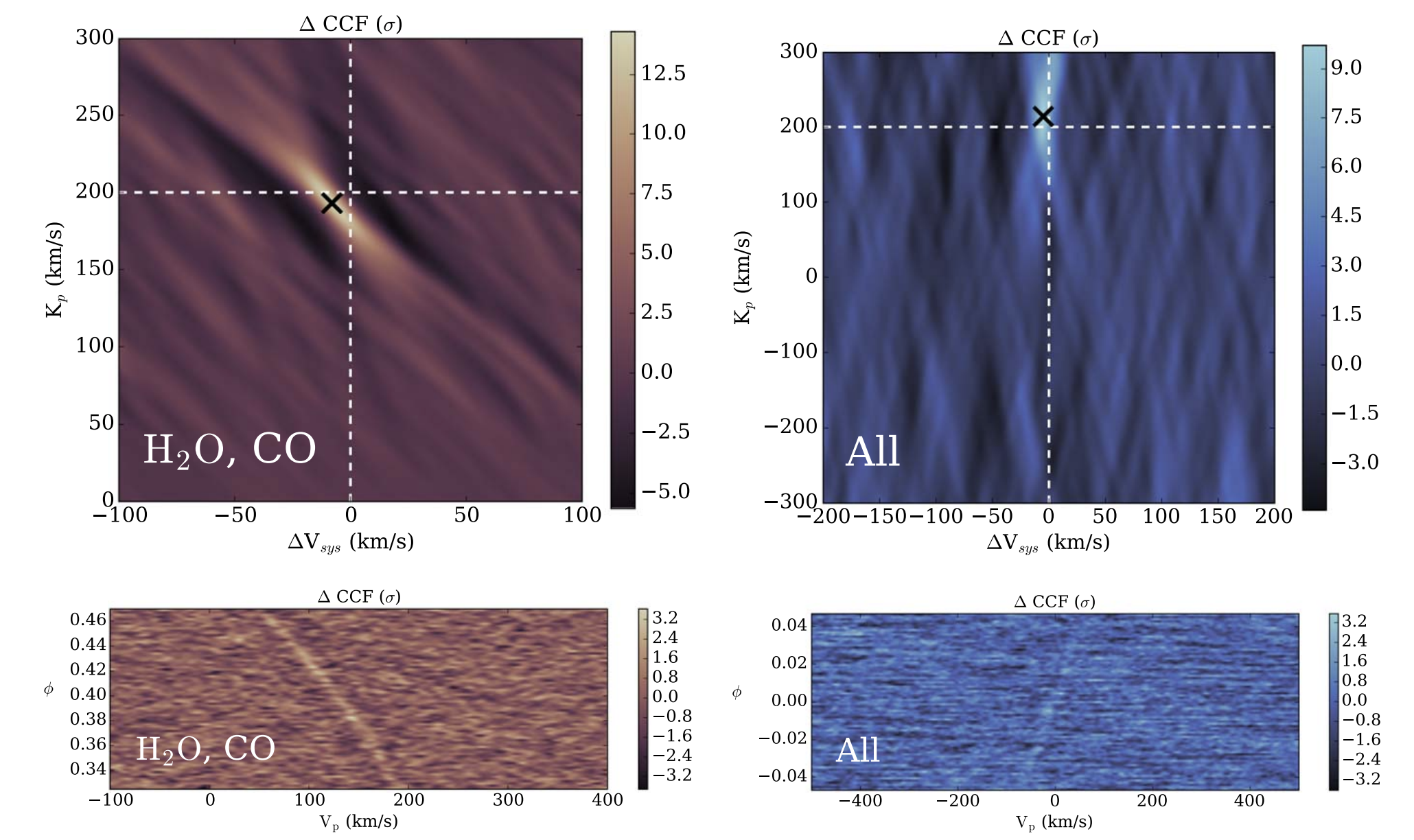
Wang et al. (2025)
Open-source High-resolution Exoplanet Atmosphere Retrievals with POSEIDON (ADS Link)
Development of high-resolution cross correlation retrievals for transmission and emission spectra.
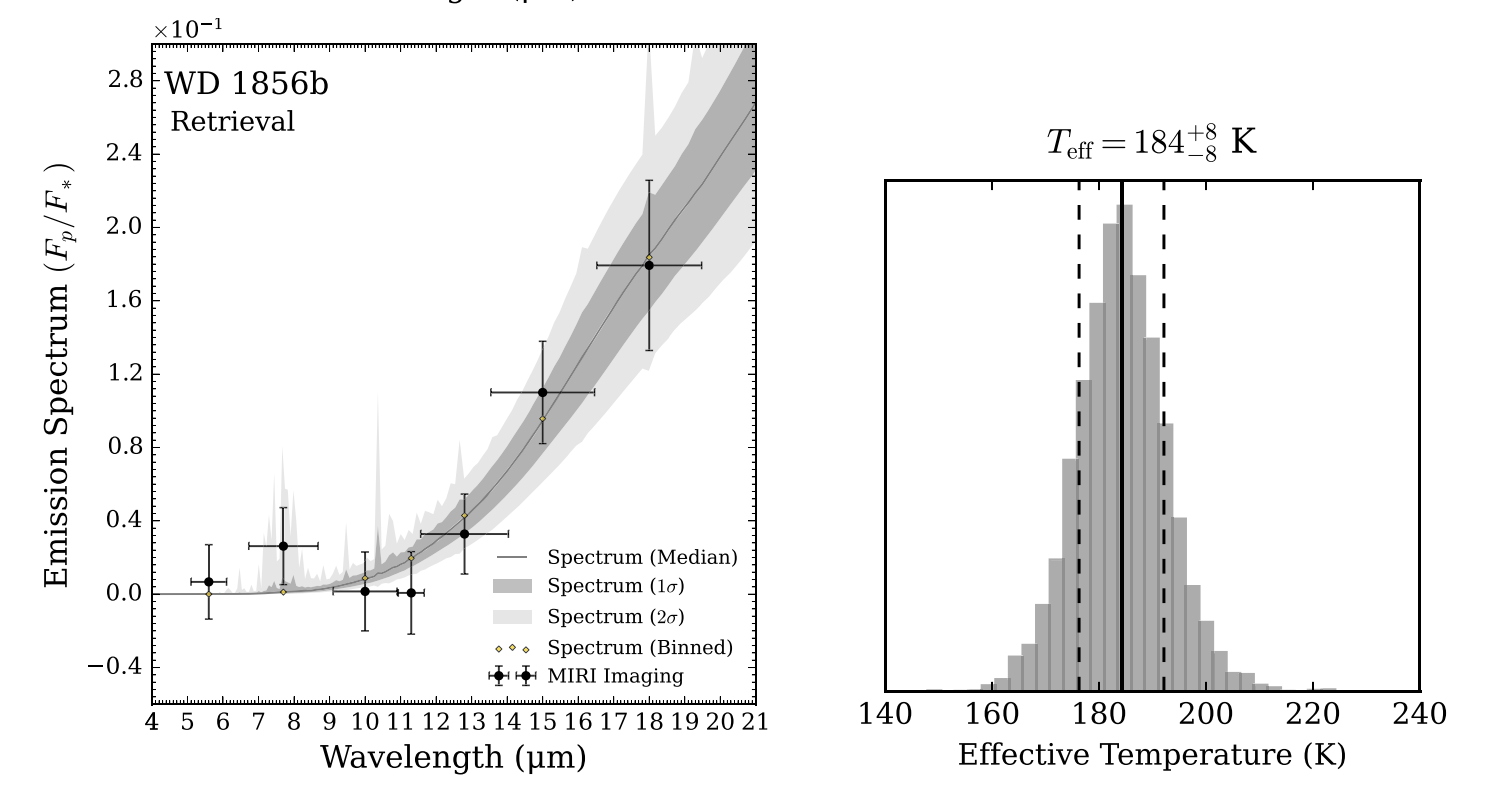
Limbach et al. (2025)
Thermal Emission and Confirmation of the Frigid White Dwarf Exoplanet WD 1856+534 b (ADS Link)
Description TBD.
Ahrer et al. (2025)
Escaping Helium and a Highly Muted Spectrum Suggest a Metal-enriched Atmosphere on Sub-Neptune GJ 3090 b from JWST Transit Spectroscopy (ADS Link)
Description TBD.
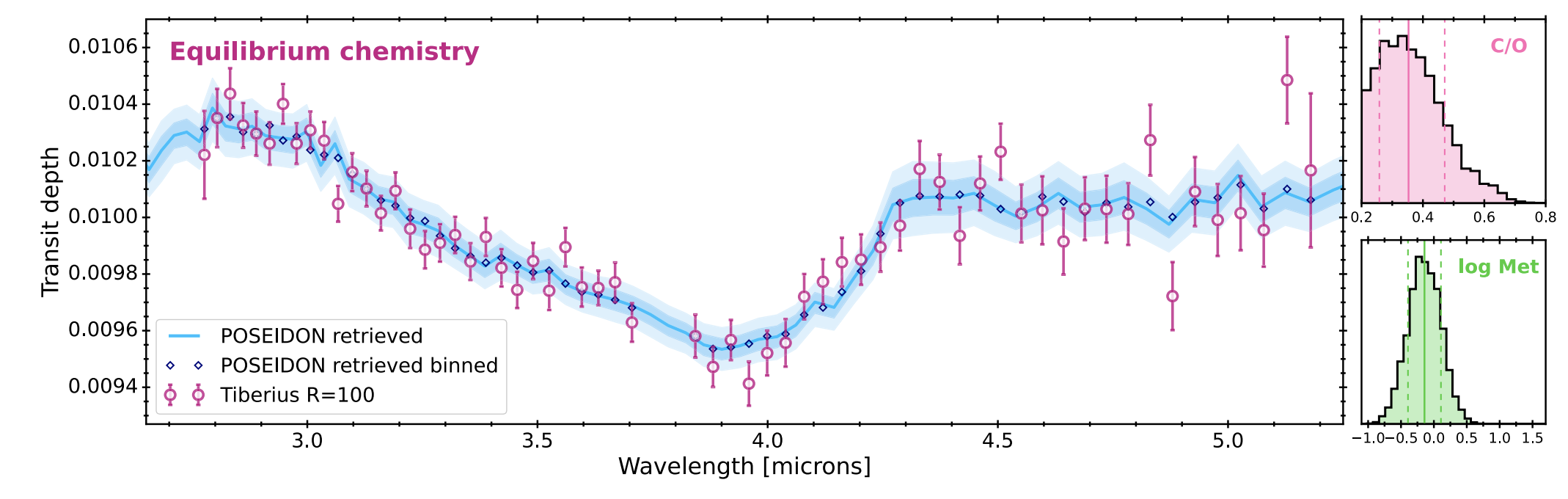
Meech et al. (2025)
BOWIE-ALIGN: substellar metallicity and carbon depletion in the aligned TrES-4b with JWST NIRSpec transmission spectroscopy (ADS Link)
Description TBD.
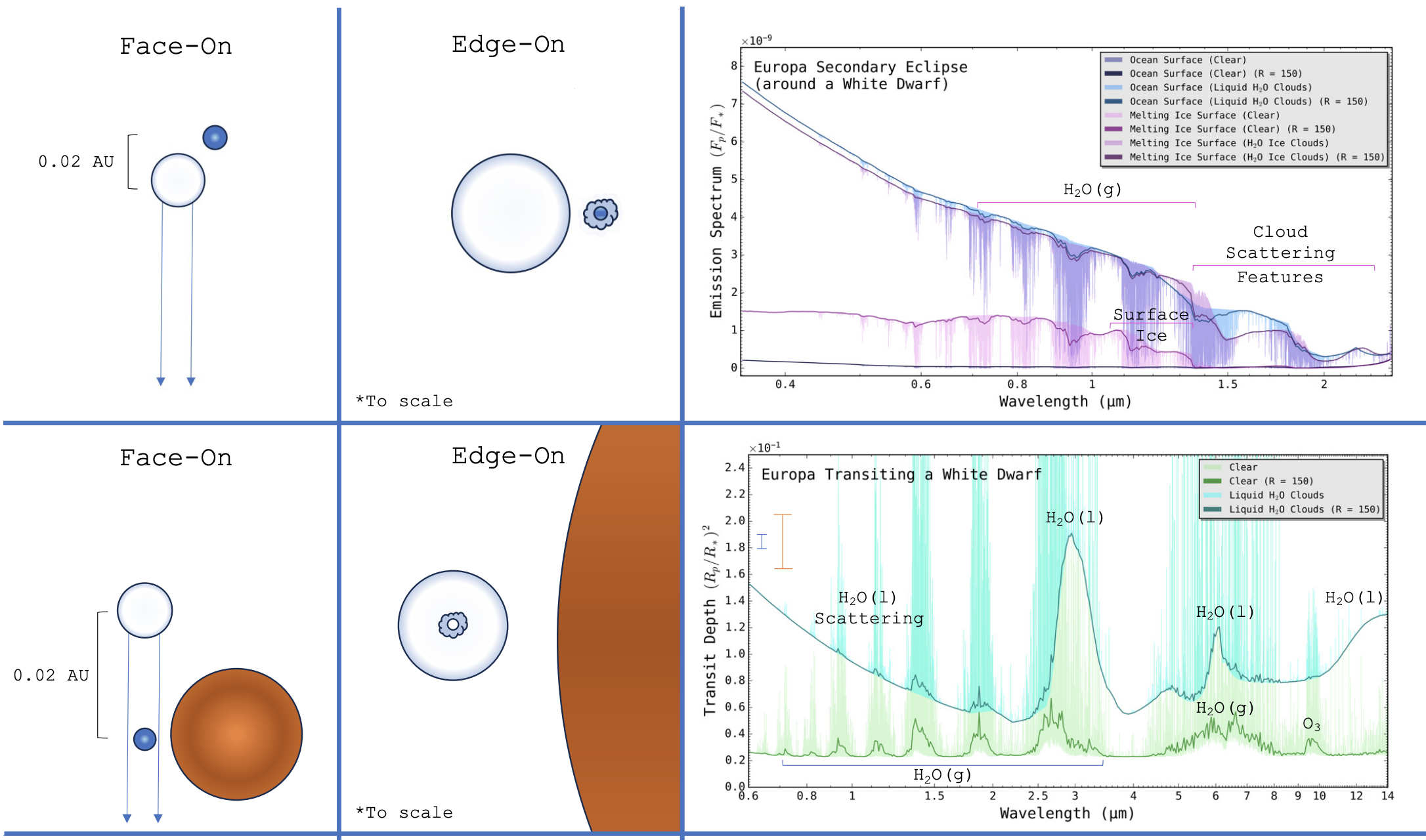
Mullens et al. (2025)
Life after death: Europa in the evolving habitable zone of a Red Sun (ADS Link)
Description TBD.
POSEIDON 1.3.1 Released! (July 2025)
Lead Developers of POSEIDON 1.3.1: Lead Developers: Elijah Mullens
Coinciding Paper: Mullens & Lewis (2025)
Mullens & Lewis (2025)
Silicate Sundogs: Probing the Effects of Grain Directionality in Exoplanet Observations (ADS Link)
Extended Mie scattering modelling, including an updated aerosol database with directional and temperature dependent aerosols.
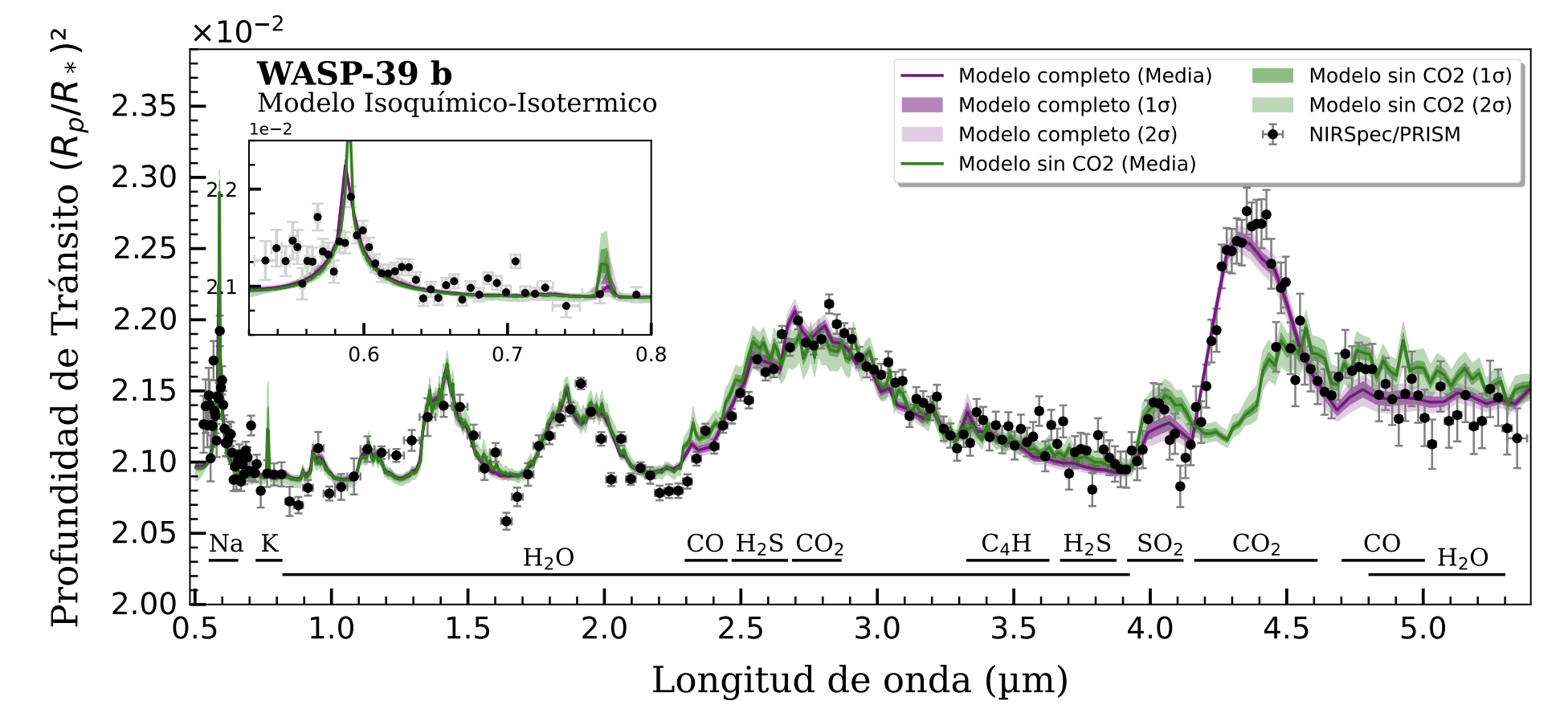
Baracchi et al. (2025)
Estudio detallado de la atmósfera de WASP-39 b utilizando el código POSEIDON y datos del JWST (ADS Link)
Description TBD.
Verma et al. (2025)
A Detailed Investigation of HD 209458 b HST and JWST Transmission Spectra with SANSAR (ADS Link)
Description TBD.
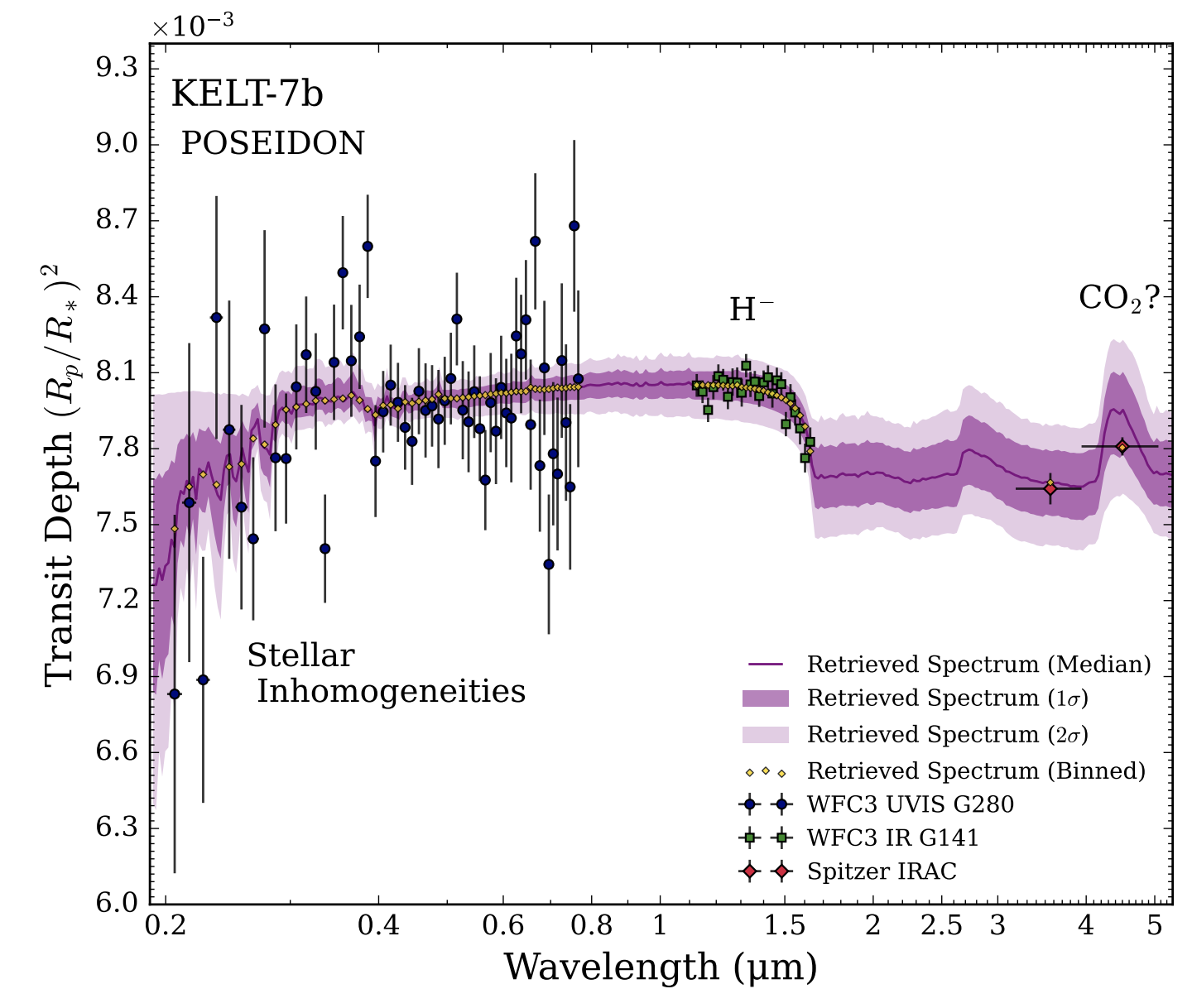
Gascón et al. (2025)
The HUSTLE Program: The UV to Near-IR Transmission Spectrum of the Hot Jupiter KELT-7b (ADS Link)
Description TBD.
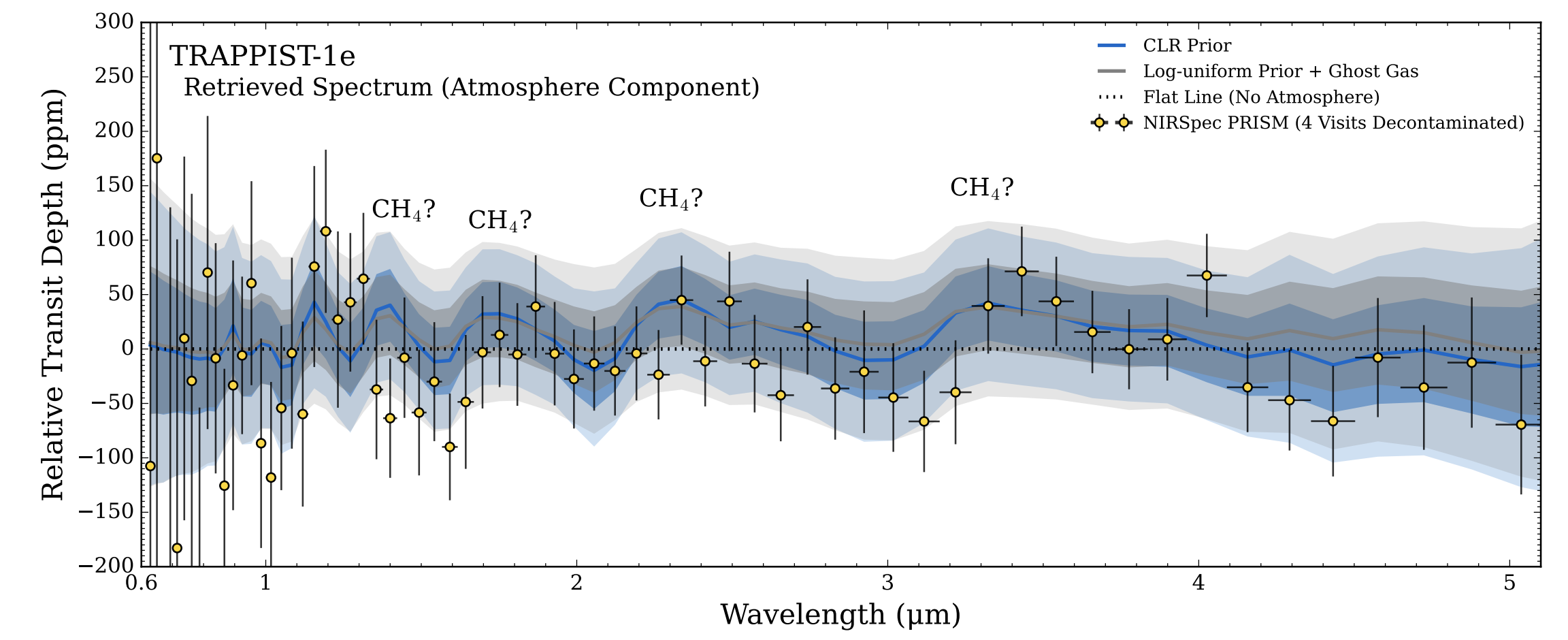
Glidden et al. (2025)
JWST-TST DREAMS: Secondary Atmosphere Constraints for the Habitable Zone Planet TRAPPIST-1 e (ADS Link)
Description TBD.
Espinoza et al. (2025)
JWST-TST DREAMS: NIRSpec/PRISM Transmission Spectroscopy of the Habitable Zone Planet TRAPPIST-1 e (ADS Link)
Description TBD.
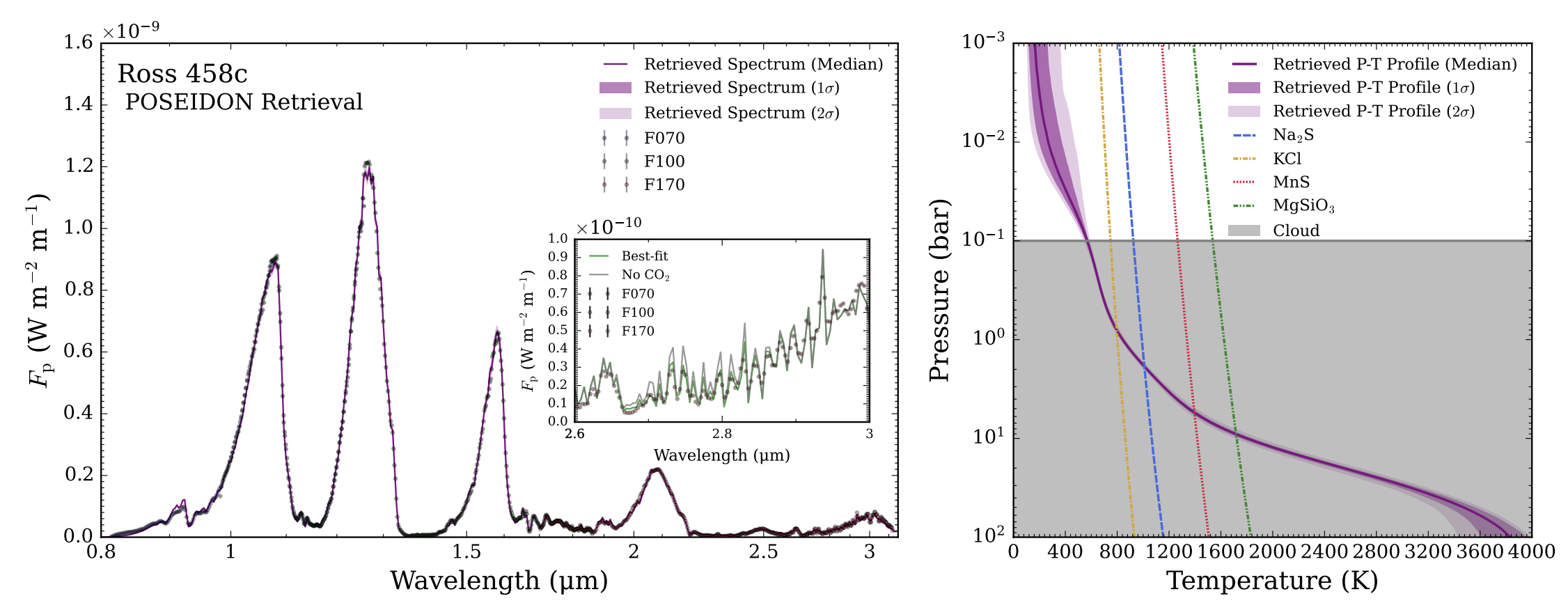
Meynardie et al. (2025)
Ross 458c: Gas Giant or Brown Dwarf? (ADS Link)
First application of POSEIDON to a directly imaged planet/brown dwarf emission spectrum.
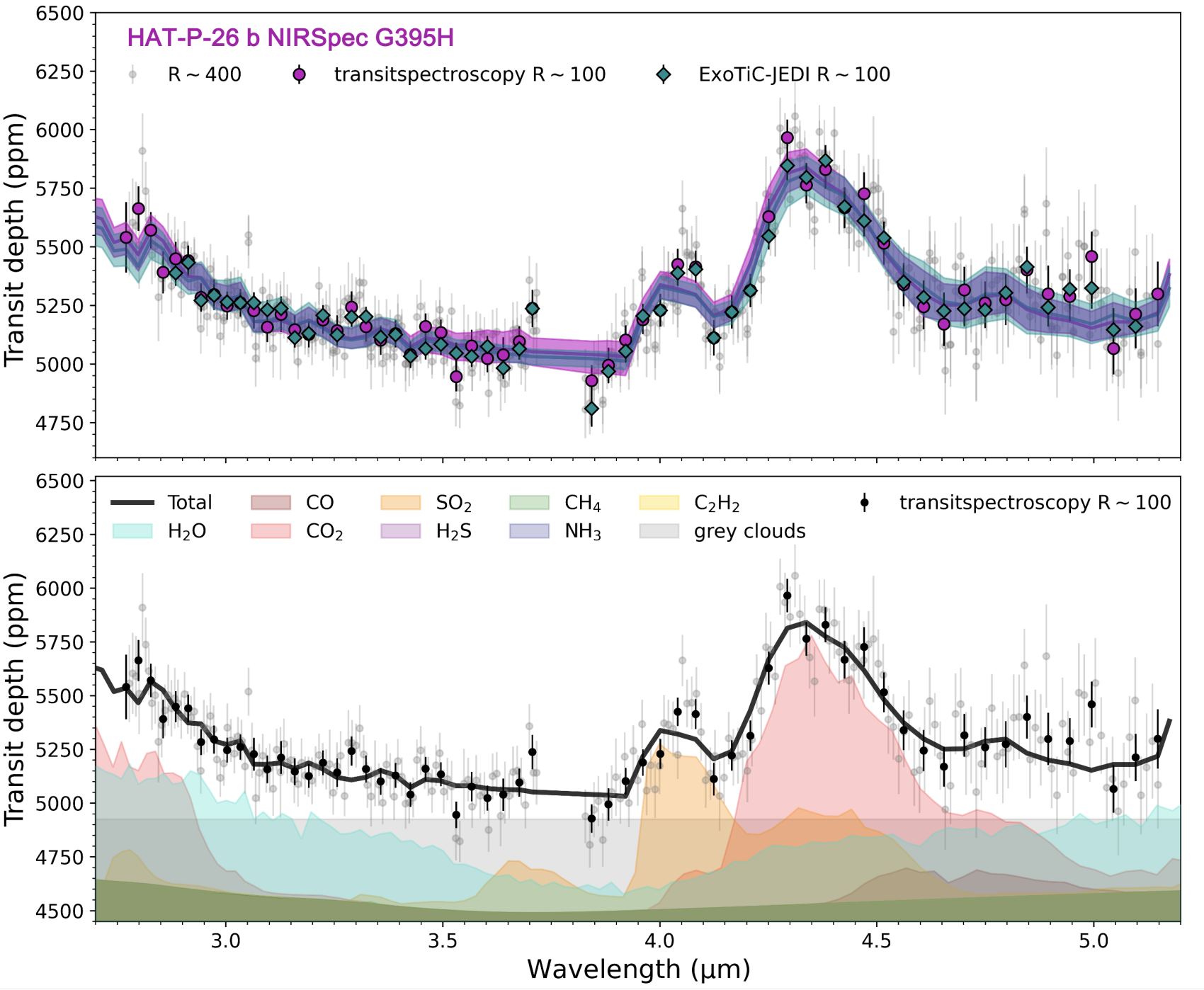
Gressier et al. (2025)
JWST-TST DREAMS: Sulfur dioxide in the atmosphere of the Neptune-mass planet HAT-P-26 b from NIRSpec G395H transmission spectroscopy (ADS Link)
Description TBD.
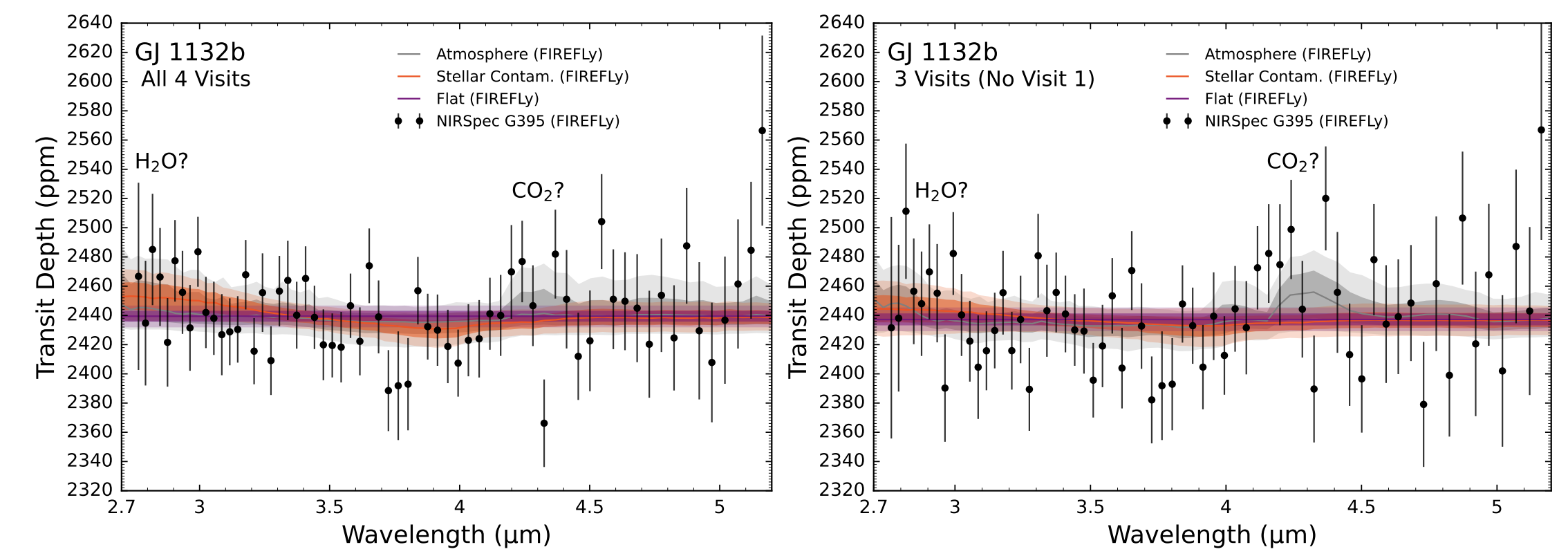
Bennet et al. (2025)
Additional JWST/NIRSpec Transits of the Rocky M Dwarf Exoplanet GJ 1132 b Reveal a Featureless Spectrum (ADS Link)
Description TBD.
Van Sluijis et al. (2025)
First Results from WINERED: Detection of Emission Lines from Neutral Iron and a Combined Set of Trace Species on the Dayside of WASP-189 b (ADS Link)
Description TBD.
Lustig-Yaeger et al. (2025)
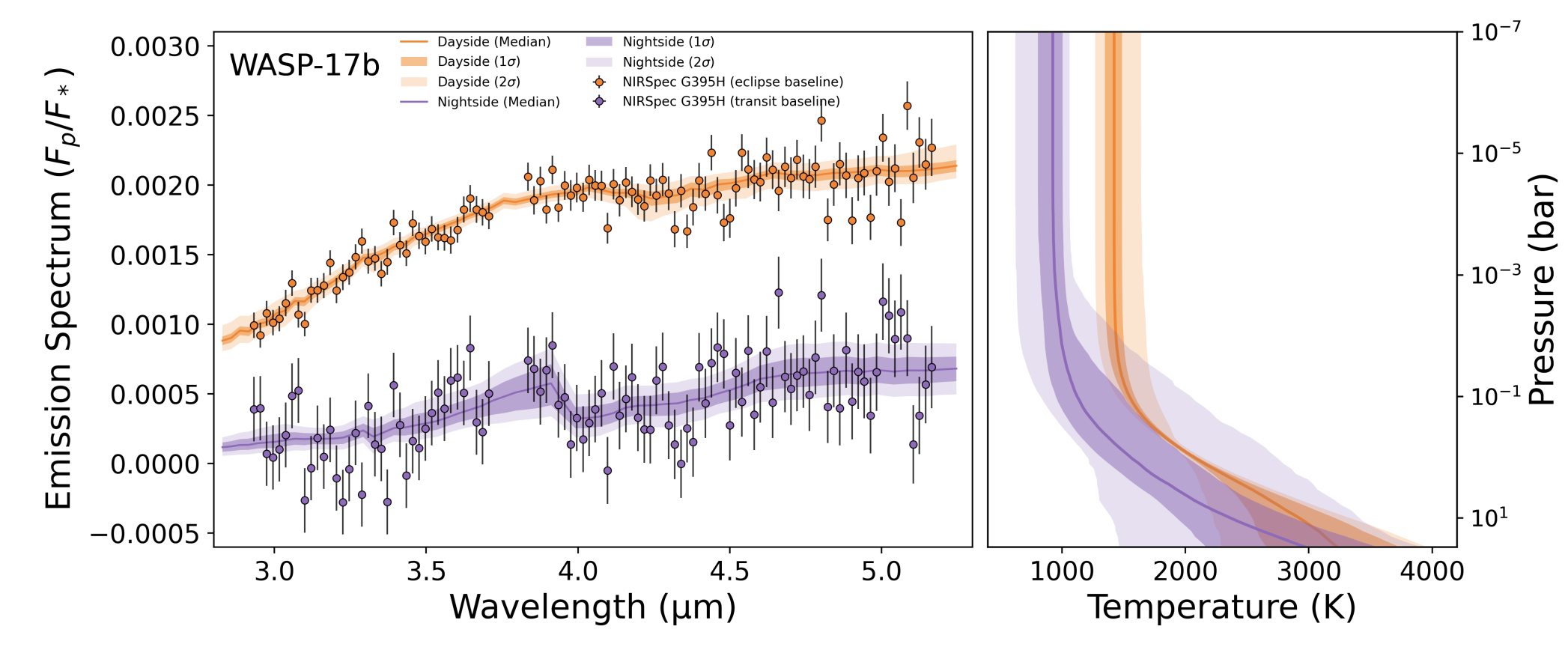
JWST-TST DREAMS: The Nightside Emission and Chemistry of WASP-17b (ADS Link)
Description TBD.
Ashtari et al. (2025)
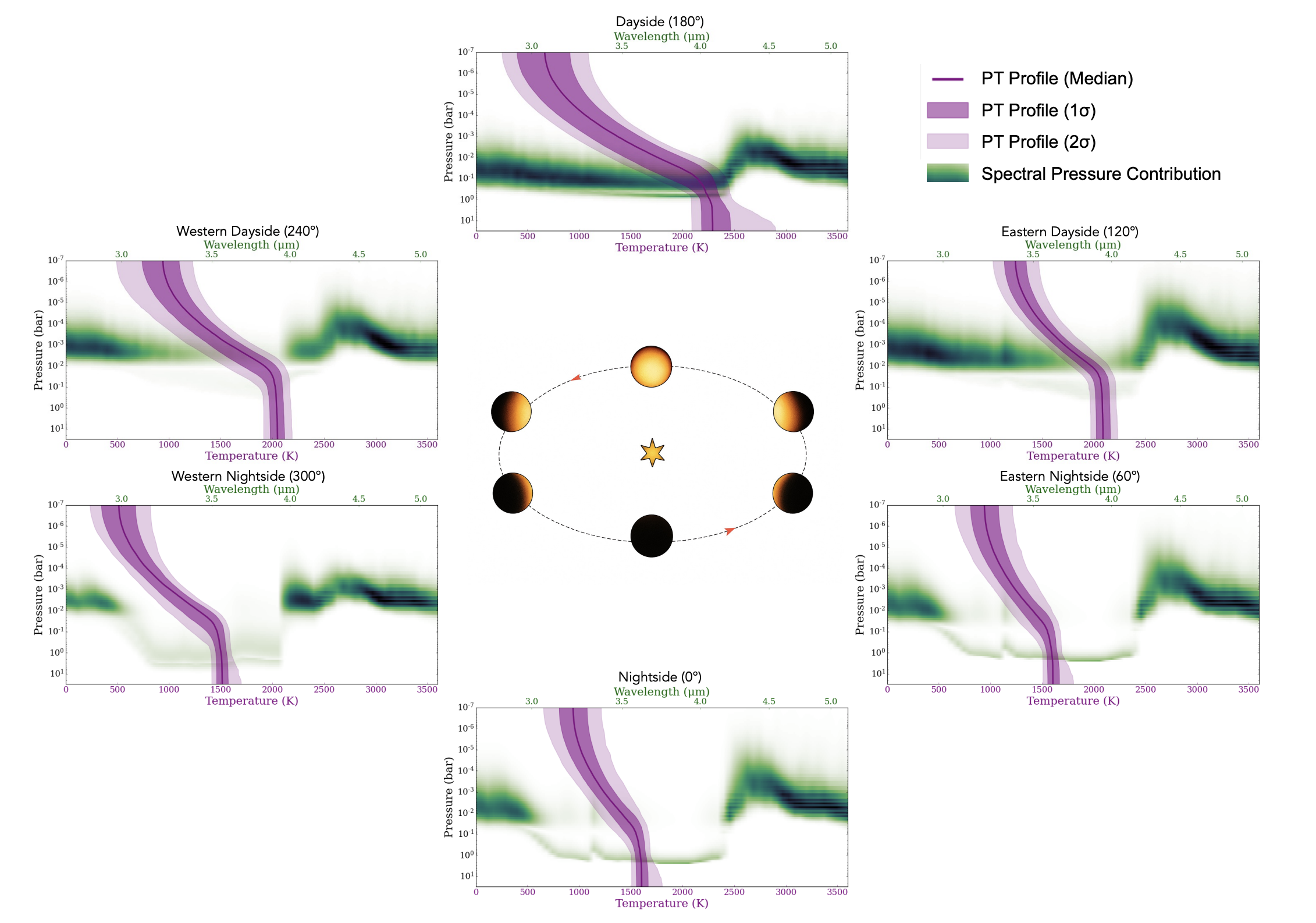
Heat Reveals What Clouds Conceal: Global Carbon & Longitudinally Asymmetric Chemistry on LTT 9779 b (ADS Link)
Description TBD.
Stevenson et al. (2025)
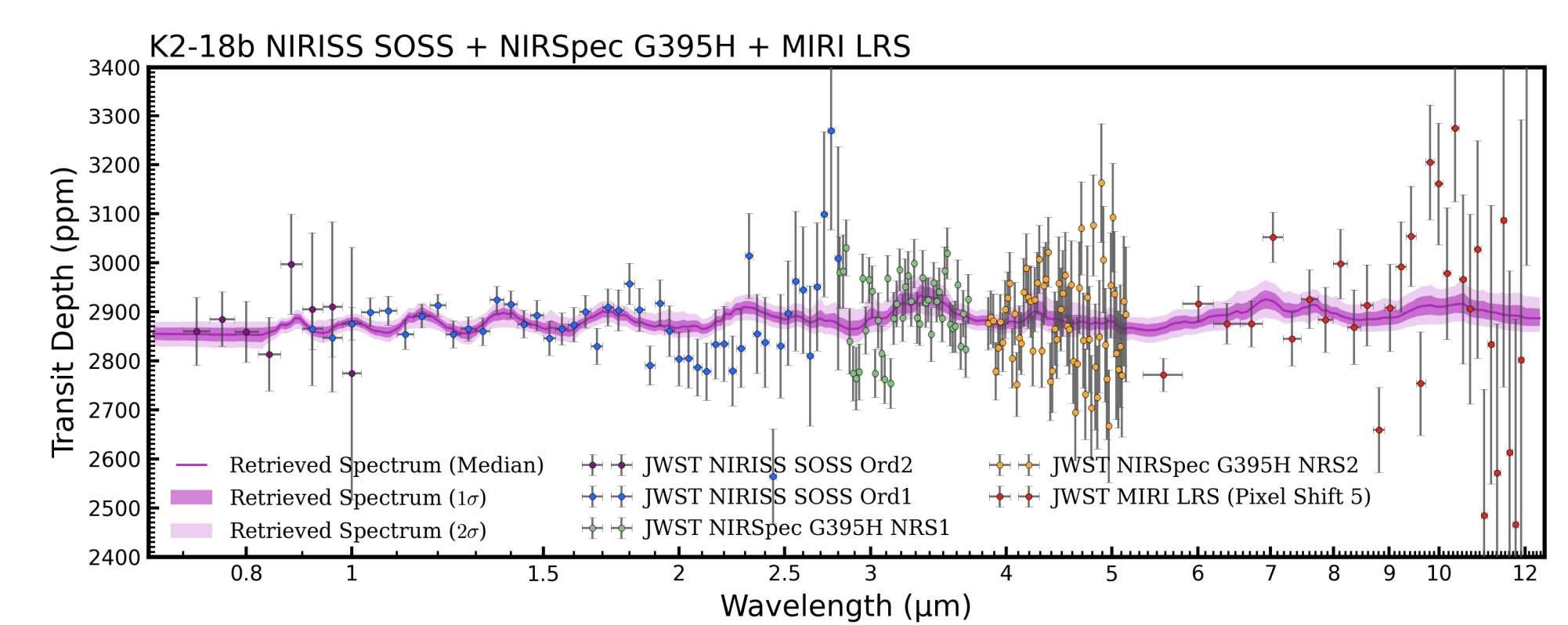
K2-18b Does Not Meet the Standards of Evidence for Life (ADS Link)
Description TBD.
Ahrer et al. (2025)
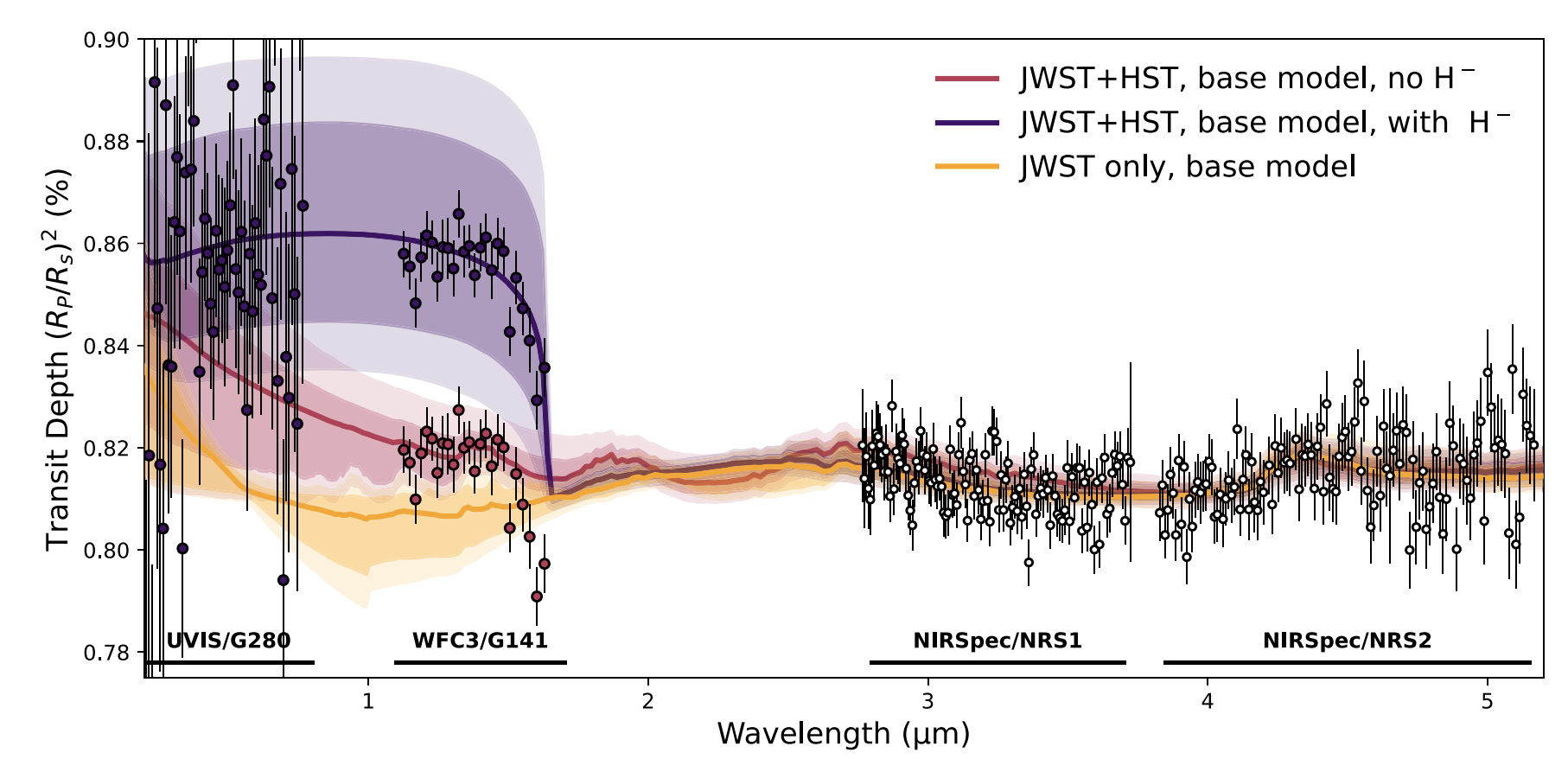
BOWIE-ALIGN: weak spectral features in KELT-7b’s JWST NIRSpec/G395H transmission spectrum imply a high cloud deck or a low-metallicity atmosphere (ADS Link)
Description TBD.
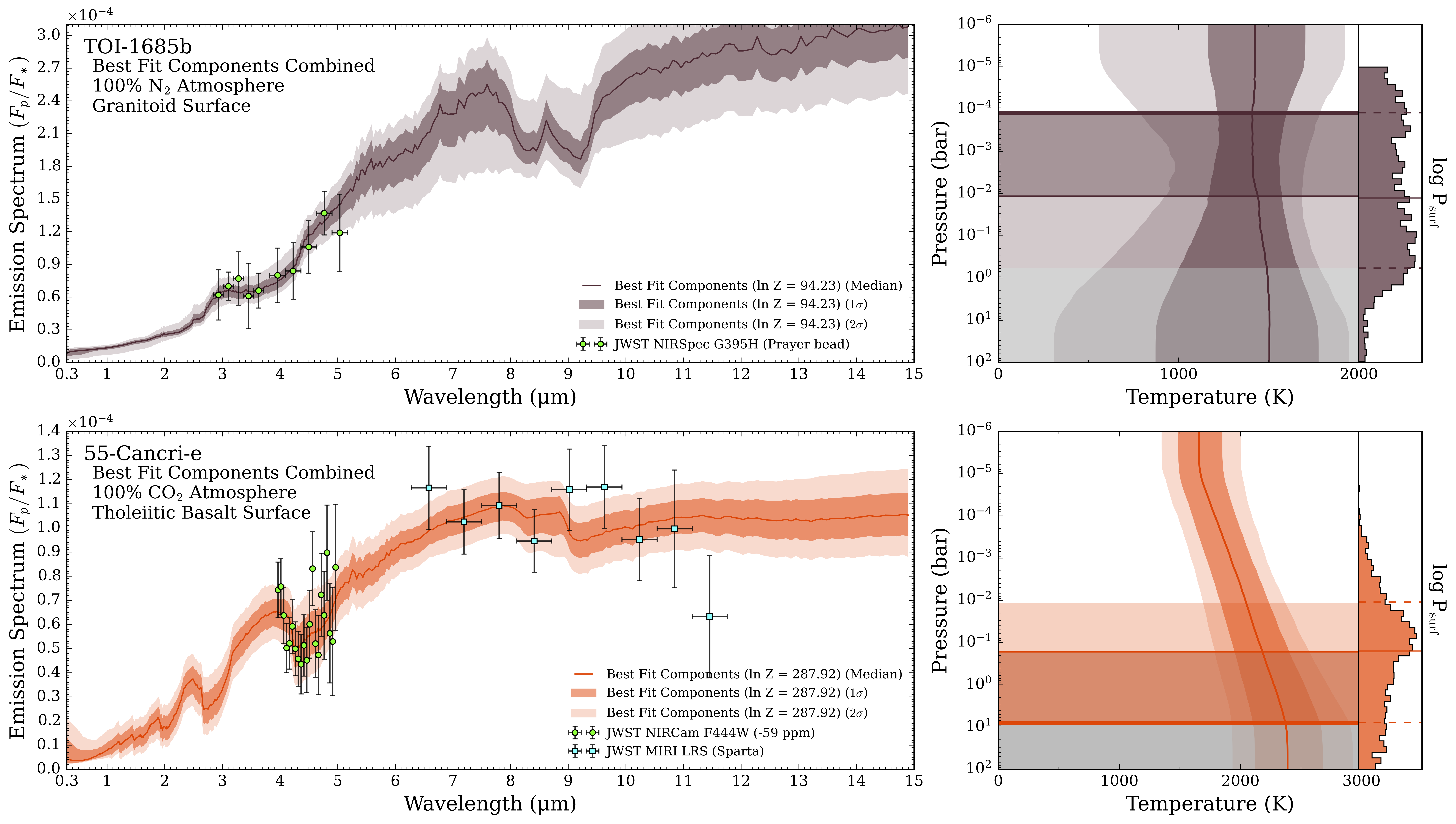
Zelakiewicz et al. (2026)
Identifying Surface Degeneracies in Single-Visit Reflected Light Observations of Modern Earth using the Habitable Worlds Observatory (ADS Link)
Description TBD.
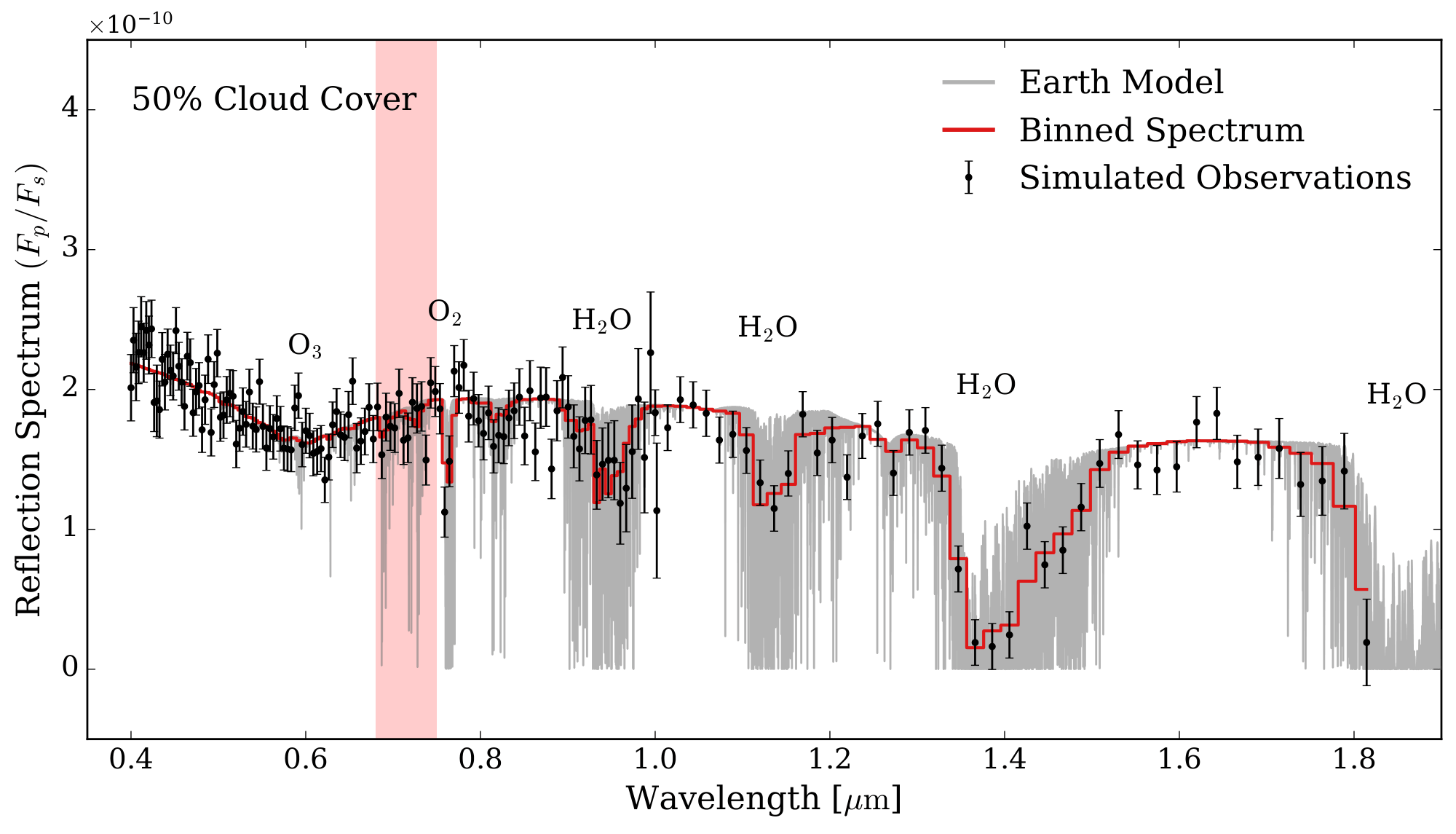
POSEIDON 1.4 Released! (April 2026)
Lead Developers: Elijah Mullens (Surfaces, Albedo Database, Shiny Decks, Code Rework, etc), Ryan MacDonald (Ultra Hot Jupiter H2 Dissociation. Code Rework), Aiden Zelakiewicz (Beta Tester, HWO Tutorial)
Coinciding Paper: Mullens et al. (2026)
Mullens et al. (2026)
The Rocky Planet Picture Show: Implementation of Surface Reflection and Emission in POSEIDON with Application to and Interpretation of JWST Data (`ADS Link TBD`_)
Added reflecting and emitting surfaces for planets with atmospheres, patchy clouds, and bare rocks. First release of the surface albedo database. Also developed shiny gray deck for cloud models.